In modern living and construction environments, materials are expected to perform quietly but reliably. They are often hidden behind finished surfaces, concealed within product structures, or embedded into systems that operate around the clock without drawing attention. From moisture resistance in bathrooms to ergonomic comfort in daily-use products, the materials that enable these functions often go entirely unnoticed by end users—and that is precisely the mark of their success. EVA products are a quintessential example of this phenomenon: widely used, highly adaptable, and deeply integrated into the fabric of everyday life.
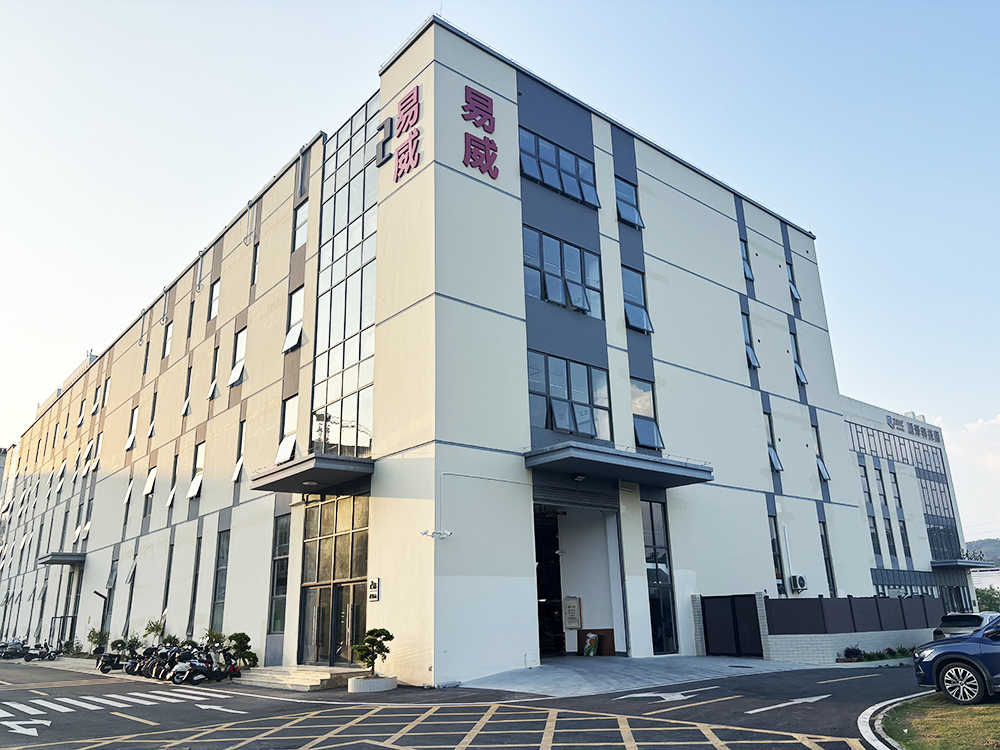
At Huizhou EVA Bag Co., Ltd, EVA is not viewed as a single-purpose material, but as a flexible solution that adapts to different environments, performance demands, and product configurations. We approach EVA not merely as a raw material, but as a platform for problem-solving—one that can be customized in density, hardness, color, shape, and structure to meet the nuanced requirements of diverse industries. This philosophy has guided our development of EVA-based solutions that extend far beyond conventional expectations.
EVA Products in Daily Living Environments
EVA special-shaped strips and waterproof strips are commonly used in home decoration, especially in bathrooms and kitchens where humidity levels are persistently high and cleaning conditions involve abrasive agents, temperature fluctuations, and frequent mechanical wiping. These environments are particularly prone to mold growth, seal degradation, and material aging—especially around corners, joints, plumbing penetrations, and concealed gaps that are difficult to maintain.
EVA products are exceptionally well suited to these conditions due to their inherent resistance to moisture, mildew, and chemical corrosion. Unlike traditional sealing materials such as rubber or PVC, which may harden over time, lose elasticity, crack under stress, or discolor from UV exposure and cleaning chemicals, EVA maintains its structural integrity and surface cleanliness even after prolonged exposure to water vapor, detergent residues, and indoor air pollutants. This long-term stability reduces the need for frequent replacement, lowers maintenance costs, and ensures consistent performance over the lifespan of the installation. It is one of the key reasons EVA waterproof strips have become a standard specification in both residential and commercial interior design.
What Makes EVA a Practical Material
EVA, short for ethylene-vinyl acetate copolymer, is a synthetic polymer distinguished by its balanced profile of physical and chemical properties. Rather than specializing in a single high-performance attribute, EVA delivers a combination of elasticity, tensile strength, thermal stability, and processing adaptability that enables it to function effectively across a broad spectrum of applications.
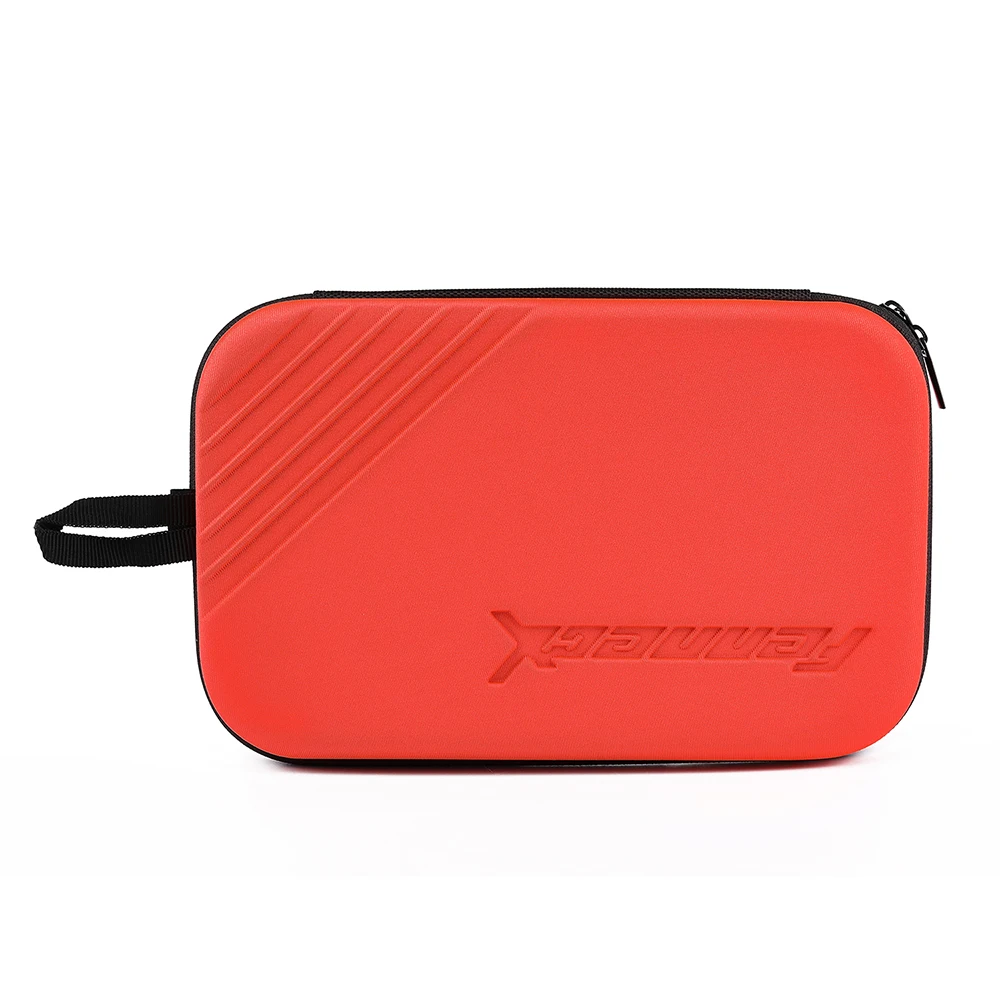
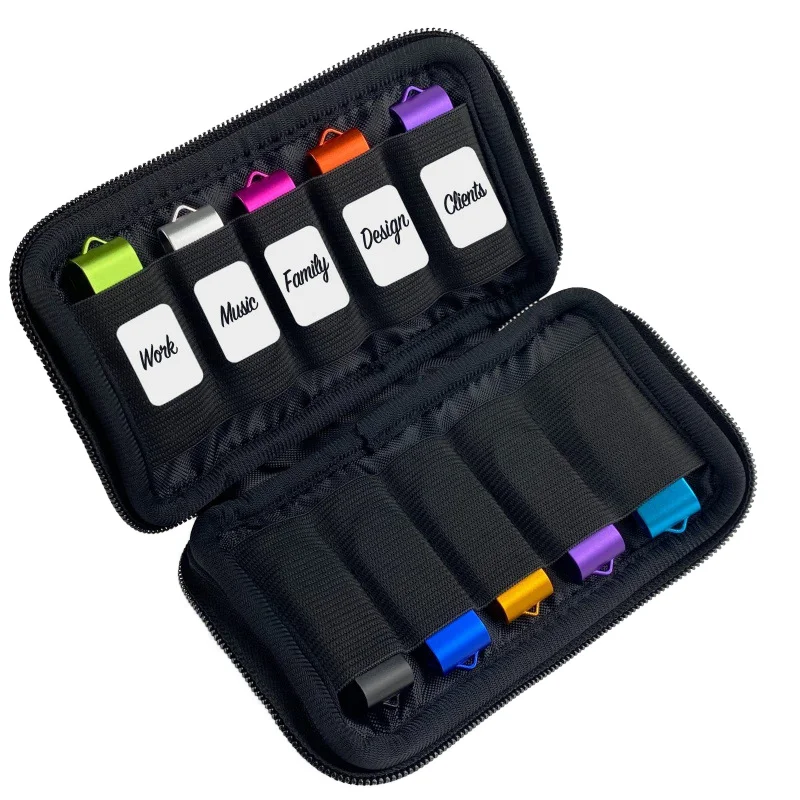
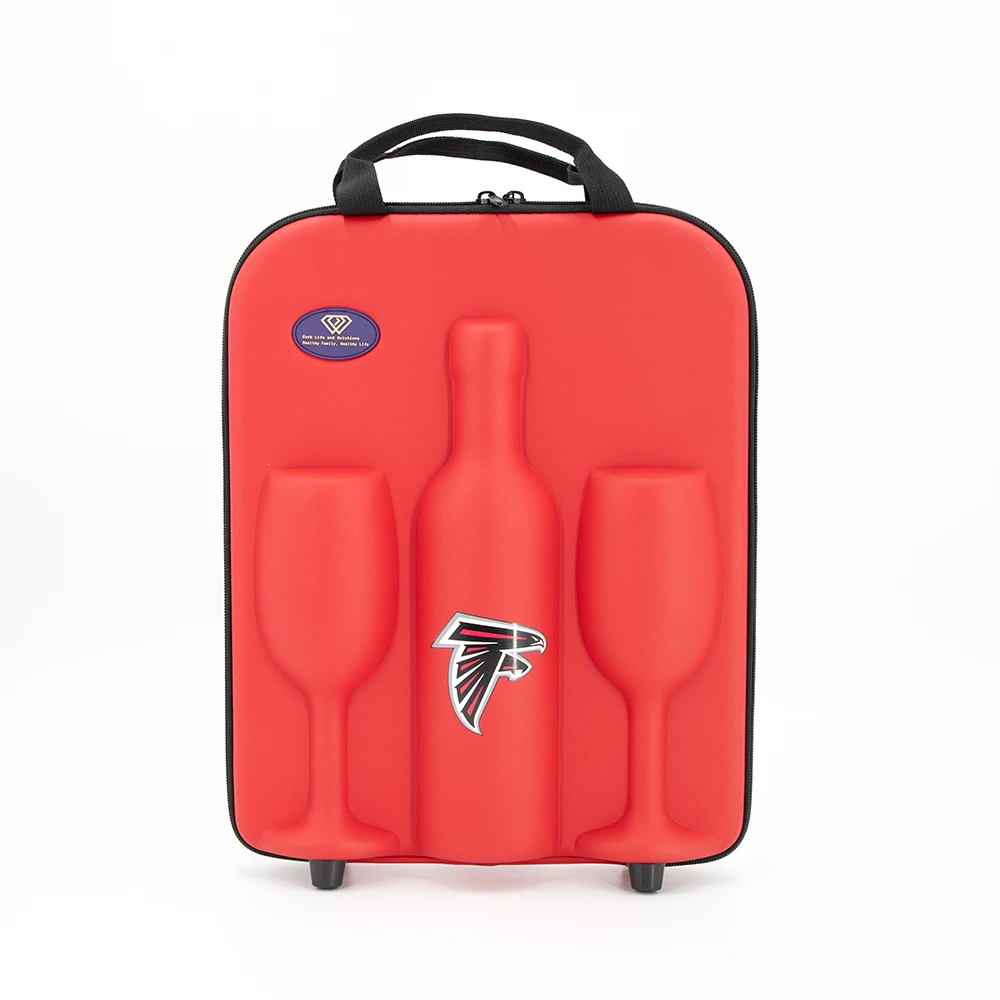
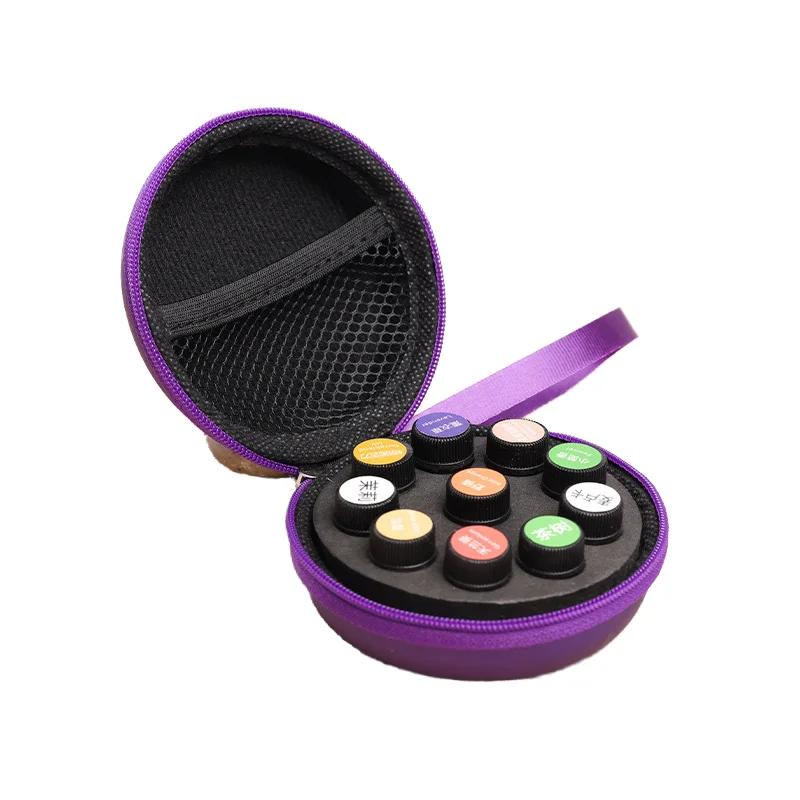
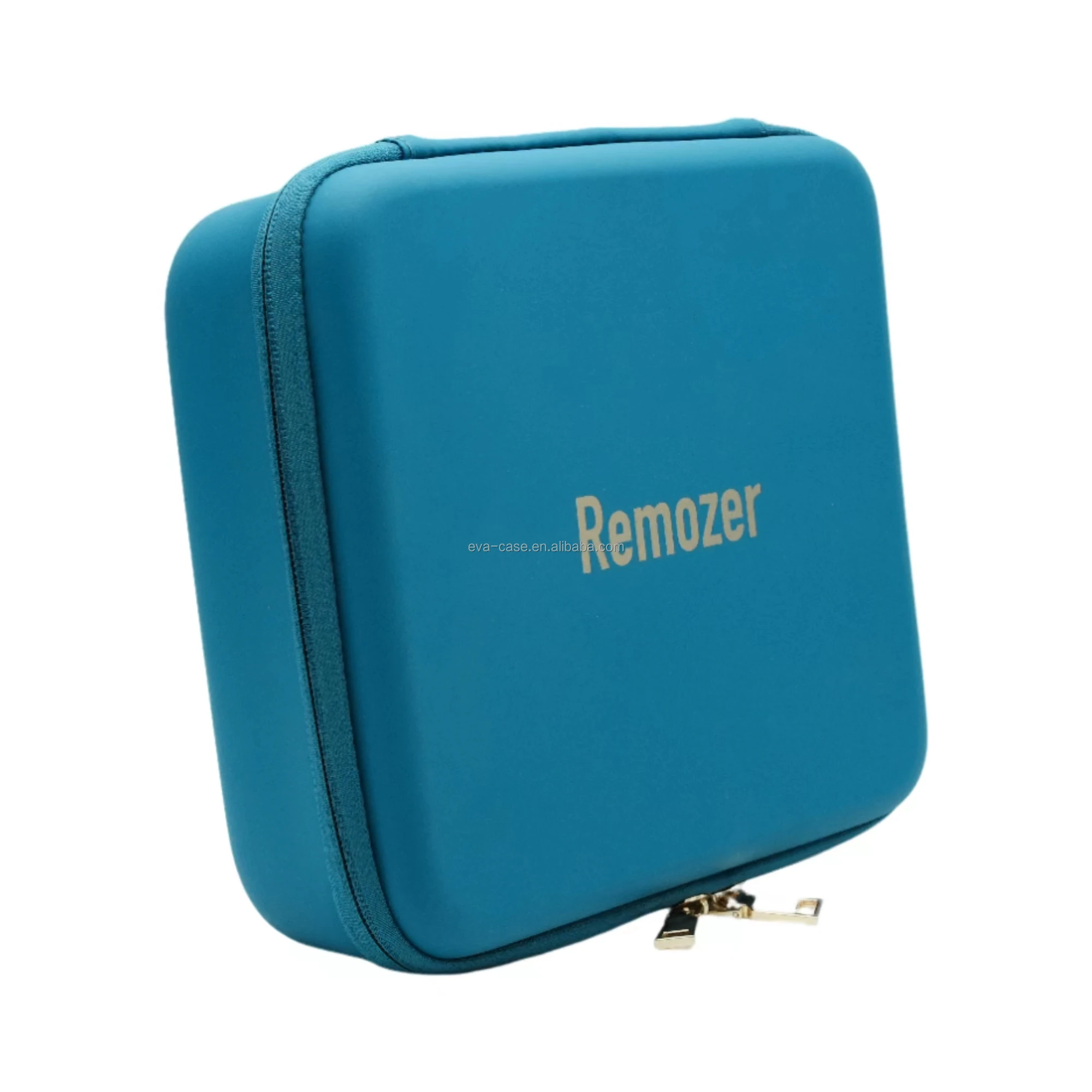
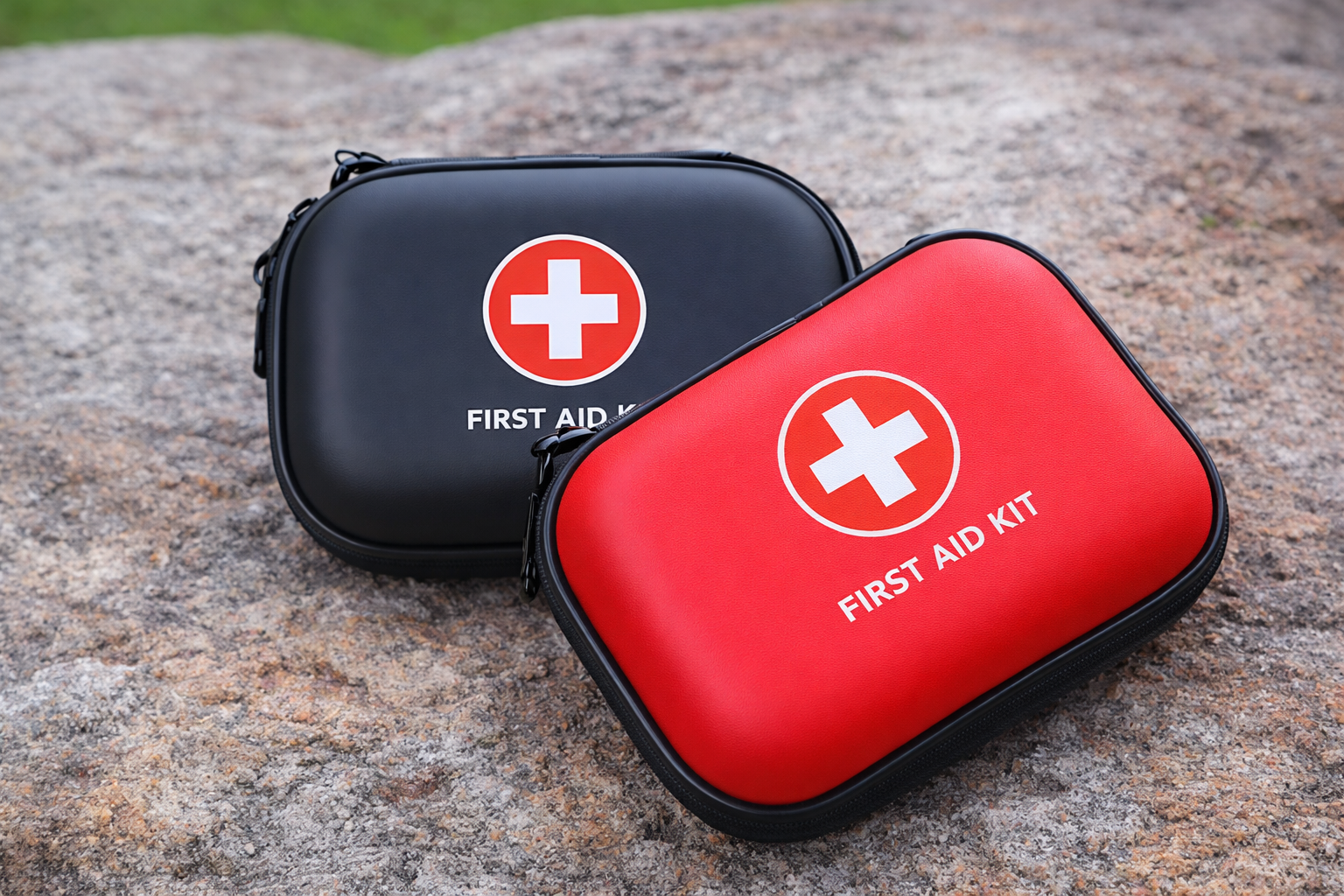
In daily life, EVA appears in a wide array of forms: decorative edge trims, anti-slip bath mats, lightweight slippers, fashion handbags, protective gear, and children’s toys. Its soft-touch feel and shock-absorbing qualities make it a preferred material in consumer goods where comfort and safety are priorities. Beyond household items, EVA is also used in technical applications such as refrigerator piping insulation, gas pipeline coatings, architectural panel lamination, and impact-resistant transport containers. Its compatibility with diverse manufacturing methods—including injection molding, compression molding, extrusion, and foaming—allows EVA to be engineered into films, sheets, custom gaskets, packaging trays, and even structural inserts for electronic device housings.
Chemical Stability and Comfort Performance
One of the defining characteristics of EVA material is its resistance to a wide range of chemical substances, including diluted acids, alkalis, and alcohol-based cleaning agents. This chemical stability ensures that EVA products do not degrade, swell, or leach unwanted substances when exposed to routine disinfectants, personal care products, or environmental pollutants. As a result, EVA is frequently specified in settings where hygiene, cleanability, and material safety are equally critical—such as healthcare facilities, food preparation areas, and childcare environments.
At the same time, EVA offers remarkable elasticity and softness, which translates directly into user comfort. This makes it particularly well suited for footwear, sports equipment, and personal accessories, where tactile experience and fatigue reduction directly influence customer satisfaction. EVA midsoles in athletic shoes, for example, provide superior cushioning and energy return, reducing impact stress on joints during prolonged standing or high-intensity activity. Beyond biomechanical benefits, EVA’s resilience also contributes to product longevity; its ability to recover shape after repeated compression prevents permanent deformation and extends the useful life of the item.
Expanding Applications Across Industries
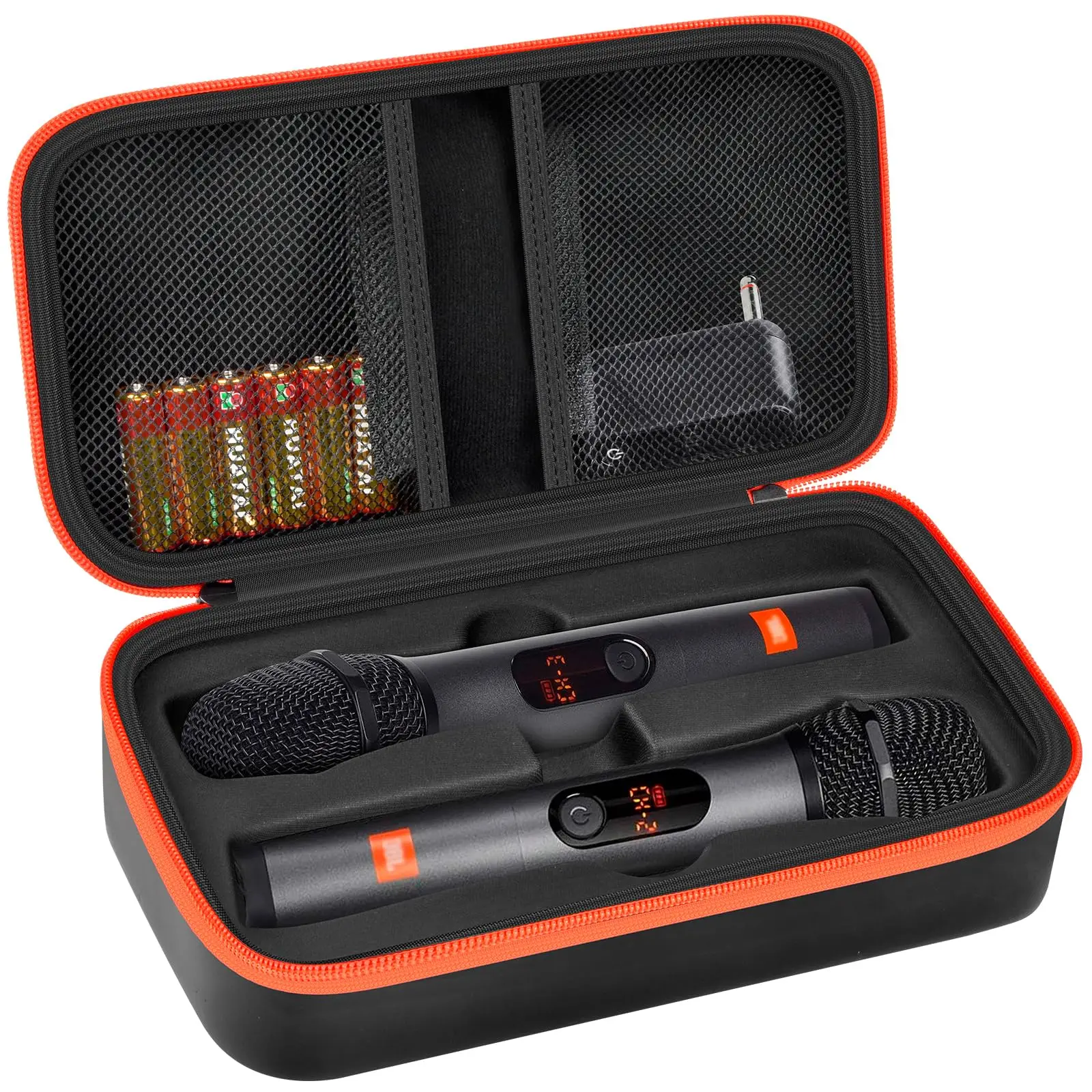
Although EVA is most commonly associated with household and lifestyle products, its application scope has expanded significantly into industrial and specialized sectors. EVA-based materials are now integral components in protective packaging for precision instruments, sealing systems for automotive assemblies, insulation layers for low-voltage cables, and adhesive carriers for hot-melt bonding systems. In the publishing and stationery industries, EVA copolymers are widely used as spine adhesives for bookbinding, offering flexibility and strong adhesion without brittleness. In consumer electronics, EVA foams serve as anti-vibration pads, impact buffers, and structural fillers that enhance both durability and user handling.
EVA’s environmental compatibility and low odor profile further broaden its suitability for medical devices, rehabilitation aids, and personal protective equipment. Its non-toxic and odorless formulation ensures that EVA products do not emit volatile organic compounds or interfere with indoor air quality, making them safe for enclosed spaces and sensitive populations such as children, the elderly, or individuals with respiratory conditions.
EVA as a Material for Modern Living
EVA material has gradually transitioned from a niche industrial polymer to a standard specification in modern product design. This shift reflects broader societal expectations for safety, comfort, environmental responsibility, and long-term value. Whether used in bathroom waterproof strips, modular furniture edge bands, ergonomic footwear, travel luggage, or protective device casings, EVA consistently delivers dependable performance without introducing unnecessary complexity into the manufacturing or usage process.
Its low processing temperature and ease of shaping reduce energy consumption during production, while its lightweight nature lowers transportation emissions and improves handling efficiency. These attributes align well with circular economy principles and sustainable design strategies, especially as industries seek to reduce material waste and extend product life cycles. Moreover, EVA’s compatibility with recycled content and closed-loop manufacturing processes positions it as a forward-looking material choice for brands committed to environmental stewardship.
Conclusion
The widespread adoption of EVA products across such diverse fields is not accidental. It is the result of consistent material performance, manufacturing versatility, and user-centered characteristics that address real-world needs. Waterproof, mildew-resistant, corrosion-resistant, non-toxic, and odorless—EVA fulfills the essential requirements of both household convenience and industrial rigor.
As material expectations continue to evolve in response to technological advancement, regulatory pressure, and shifting consumer values, EVA remains a robust and adaptable option for products that demand comfort, safety, and endurance. At Huizhou EVA Bag Co., Ltd, we remain committed to advancing the application of EVA materials through precision engineering, custom fabrication, and collaborative innovation. By continuously refining how EVA is formulated, processed, and integrated, we strive to support the next generation of modern living and product design with solutions that are both intelligent and invisible—performing quietly, reliably, and indispensably.
 Hot News
 EN
EN