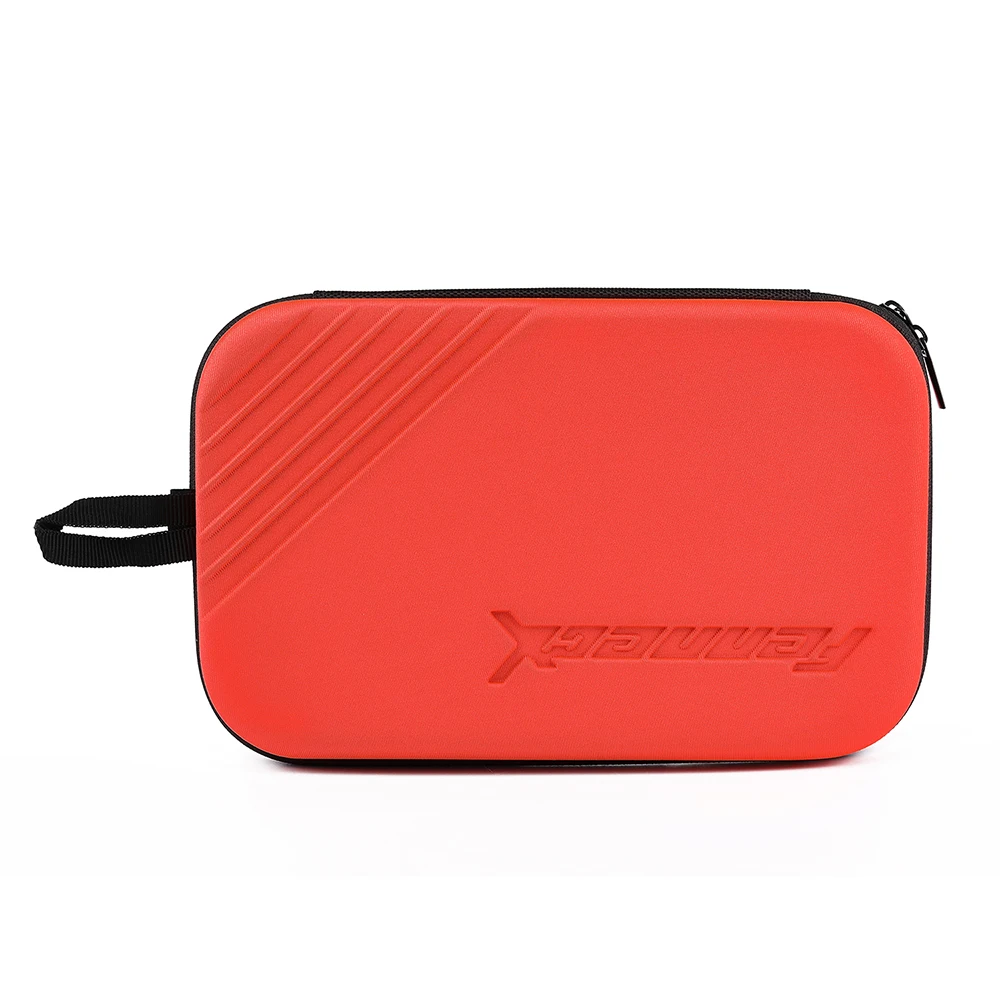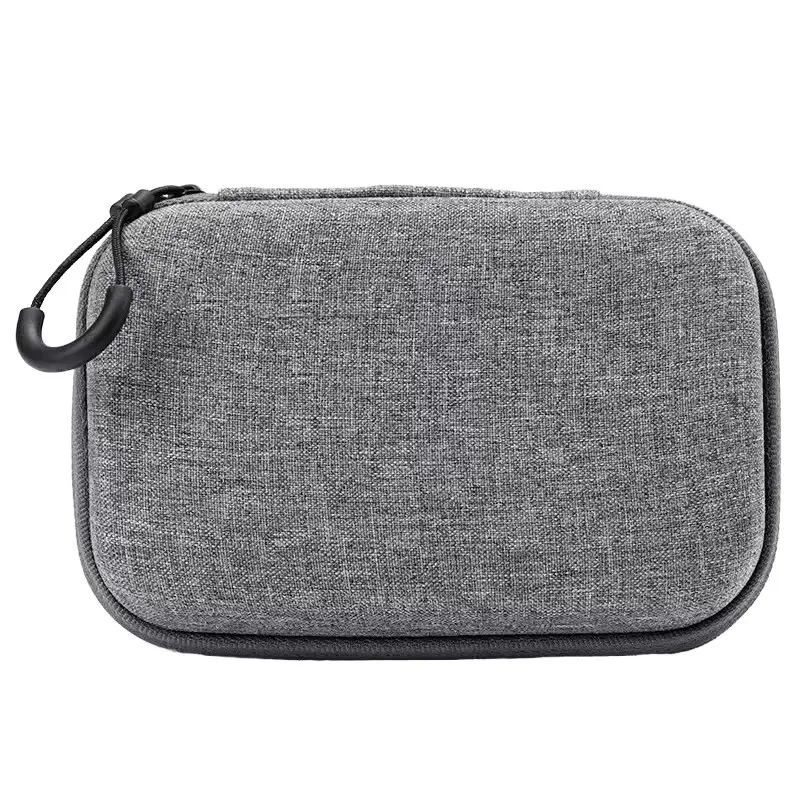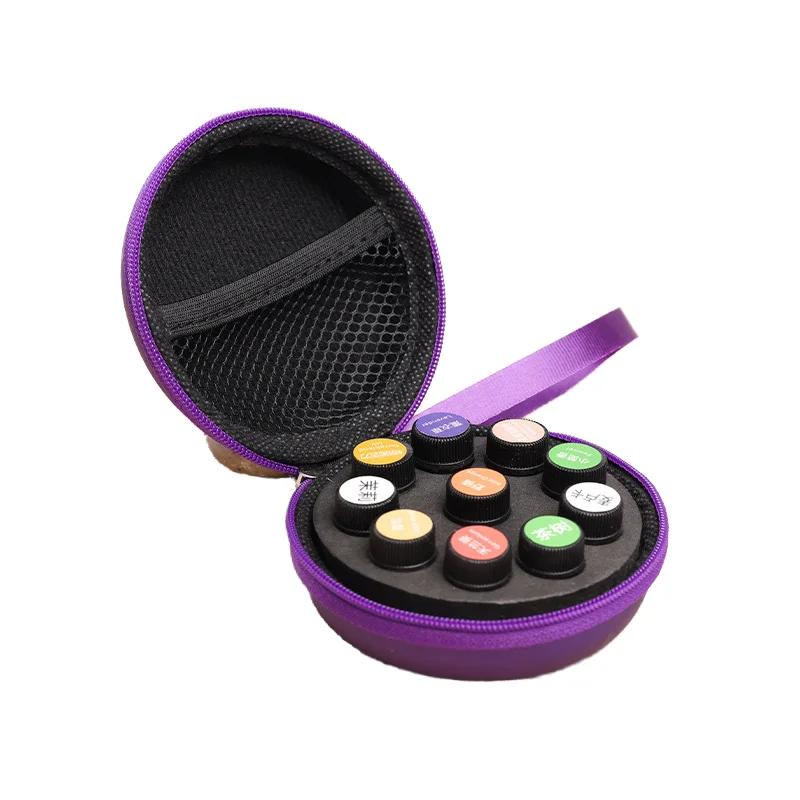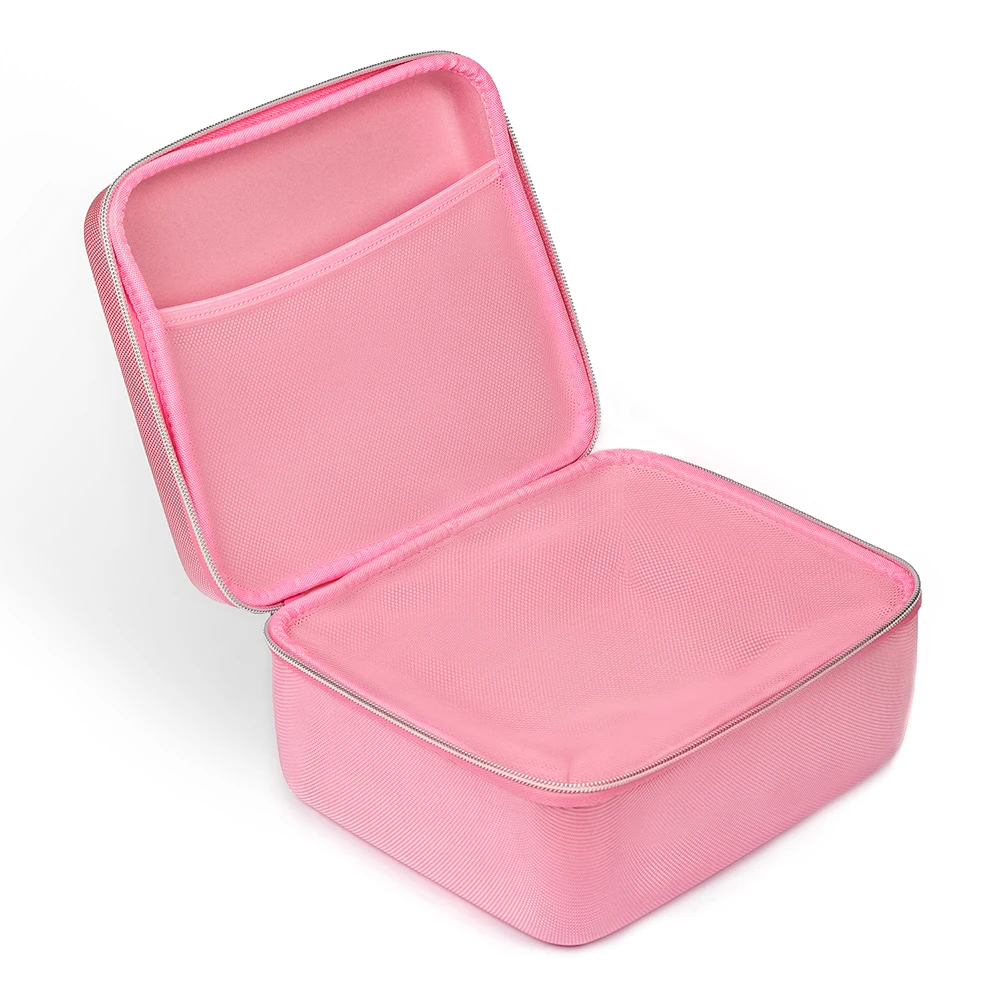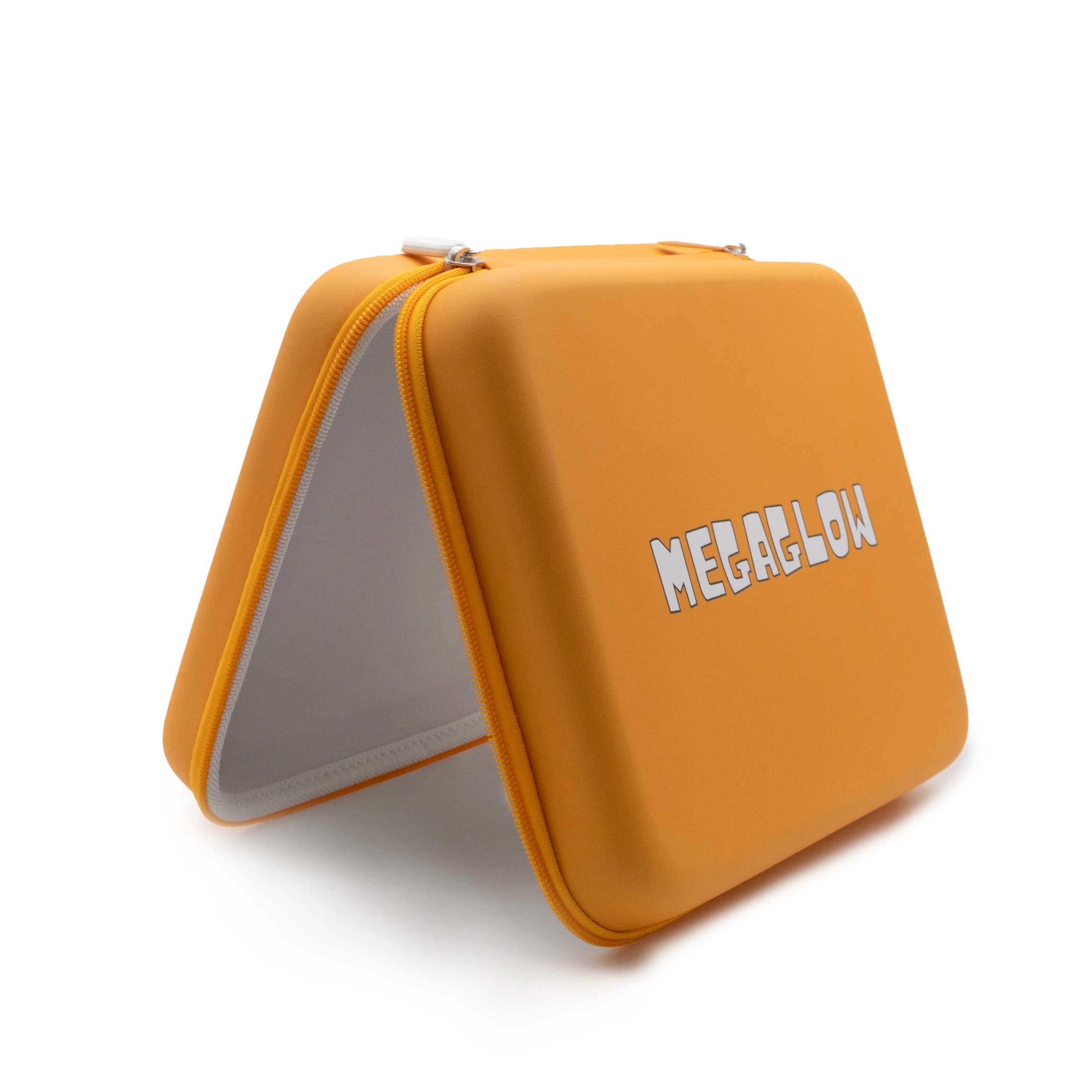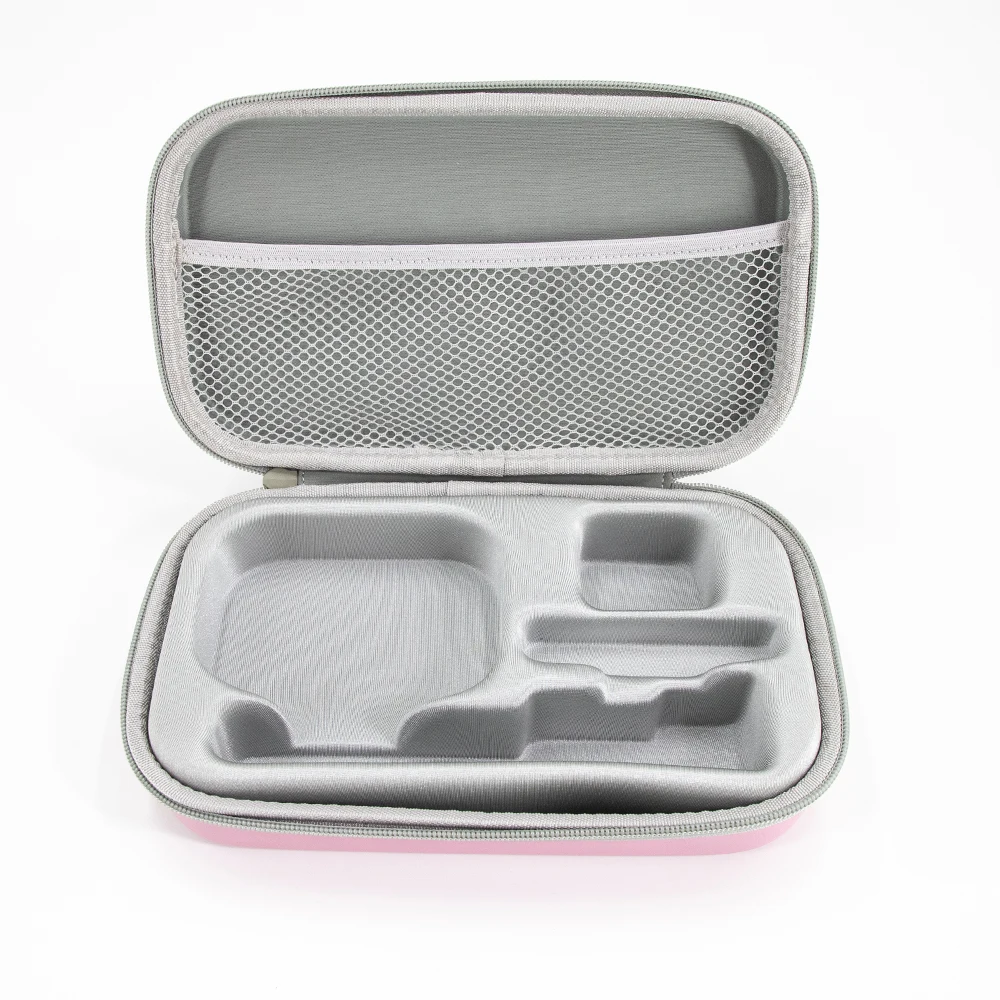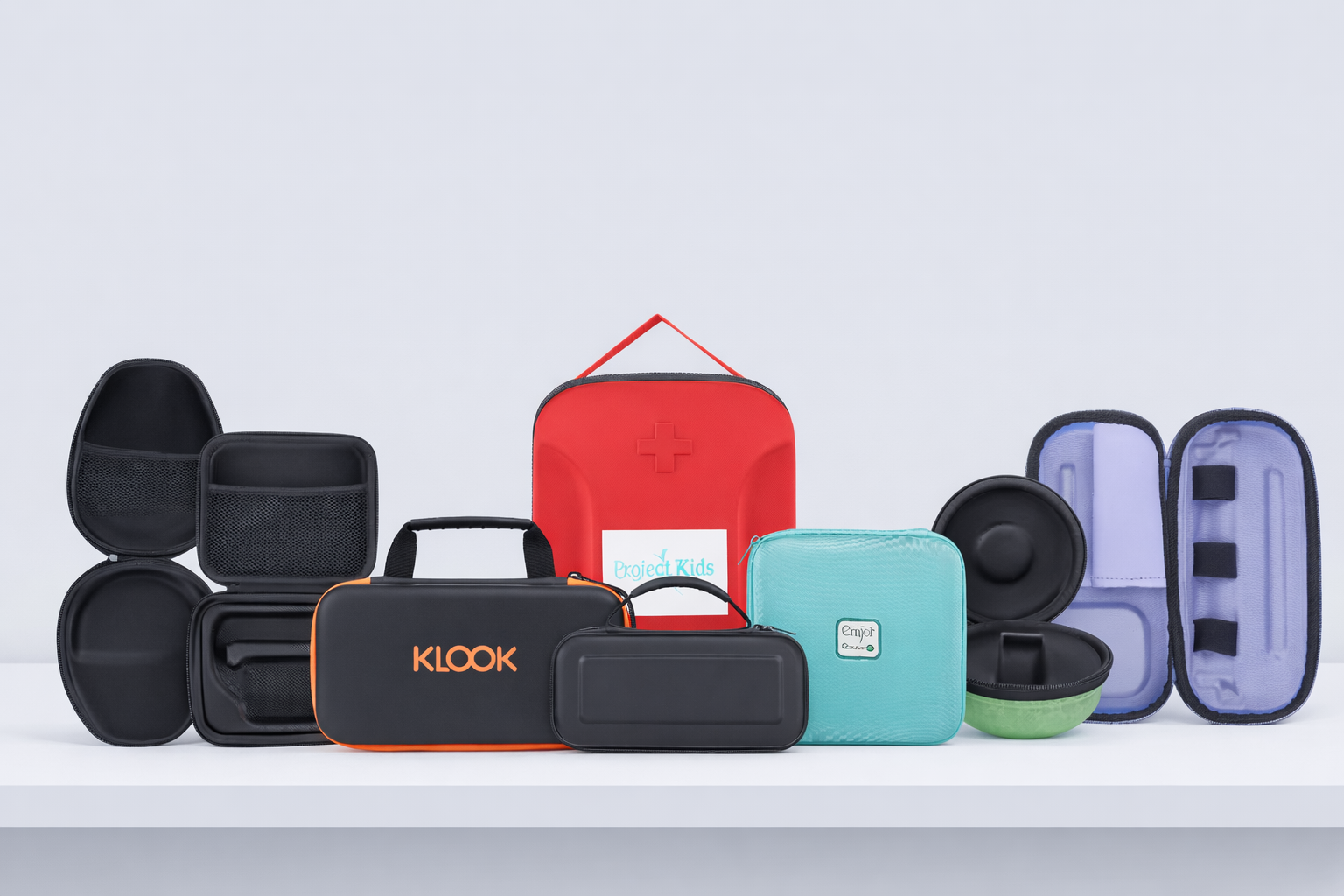
As EVA products such as EVA bags, cases, and packaging components become increasingly popular, color stability has gradually become one of the most common concerns in real-world applications. At Shenzhen EVA Pack Co., Ltd, we are often asked why certain EVA products fade over time while others maintain their original appearance even after long-term use.
In fact, the fading of plastic EVA products is not caused by a single factor. It is the result of interactions between pigments, resin systems, processing conditions, and the environment in which the product is used.
The Relationship Between Color Stability and Material Systems
From a material perspective, the color performance of EVA products depends largely on the compatibility between pigments or dyes and the EVA resin itself. Different pigments exhibit different resistance levels to light, heat, oxygen, and chemical environments such as acids and alkalis.
During production, pigments are not used alone. They are combined with EVA resin, dispersants, surfactants, and anti-aging additives to form masterbatch systems. The stability of these systems directly determines whether color fading will occur during processing or long-term use.
At Shenzhen EVA Pack Co., Ltd, color formulation is always matched to the product’s processing temperature and application environment, rather than relying solely on initial color appearance.
Chemical Resistance and Its Impact on Fading
Chemical resistance plays a significant role in the color durability of EVA products. Some pigments show good resistance to acids but poor resistance to alkalis, while others react sensitively to reducing or oxidizing environments.
For example, certain red pigments may tolerate acidic conditions but become unstable in alkaline environments, leading to gradual discoloration. When pigments with limited chemical resistance interact with specific resins or additives, their molecular structure can be altered, weakening both heat resistance and weather resistance. Over time, this instability manifests as fading or color shift.
This is why EVA products used in environments exposed to cleaning agents, moisture, or chemical contact require careful pigment selection.
Oxidation and Aging Effects
Oxidation is another key factor that contributes to the fading of EVA products. During high-temperature processing, some organic pigments may undergo oxidation, resulting in molecular degradation. In addition, long-term exposure to oxidizing agents or air can gradually change pigment structure.
When certain pigments are combined, oxidation reactions may accelerate. In practical applications, this can lead to uneven fading, especially in colored EVA products exposed to oxygen-rich or high-temperature conditions.
To control this risk, antioxidant systems and anti-aging additives are commonly introduced during formulation, helping slow down oxidative degradation.
Heat Resistance During Processing
Thermal stability is particularly important for colored EVA products. During molding and shaping, EVA materials are exposed to elevated temperatures. If the selected pigment cannot withstand the processing temperature or prolonged heat exposure, discoloration or fading may occur even before the product enters the market.
In general, inorganic pigments offer better thermal stability because of their metal oxide or salt structures, while organic pigments are more sensitive to temperature changes. Even within acceptable temperature ranges, prolonged heat exposure can affect pigment performance.
At Shenzhen EVA Pack Co., Ltd, both processing temperature and heat exposure time are carefully controlled to ensure color consistency throughout production.
Light Fastness and Environmental Exposure
Light exposure is one of the most visible causes of fading in EVA products, especially those used outdoors or under strong artificial lighting. Ultraviolet radiation can alter both pigment structure and resin molecular chains, leading to gradual color loss.
For products intended for outdoor use, high lightfastness pigments are essential. Indoor EVA products, while less exposed, can still experience fading if light stability is insufficient. The EVA resin itself also plays a role, as UV exposure can change resin structure and indirectly affect color appearance.
To improve performance, light stabilizers and ultraviolet absorbers are often incorporated into the material system, enhancing long-term color retention.
Practical Control of Color Stability in EVA Products
From our experience, preventing fading is not about relying on a single solution. It requires coordinated control across material selection, formulation design, processing conditions, and application understanding.
By matching pigments with appropriate resistance properties, optimizing masterbatch composition, and adding suitable stabilizers, EVA products can achieve reliable color performance throughout their service life.
This systematic approach is what allows EVA products to maintain both functional performance and visual consistency in demanding environments.
The fading of plastic EVA products is influenced by multiple interconnected factors, including chemical resistance, oxidation behavior, thermal stability, and light fastness. Understanding these mechanisms is essential for producing EVA products that remain stable, durable, and visually consistent over time.
At Shenzhen EVA Pack Co., Ltd, we view color stability as part of overall product quality. Through careful material selection and controlled processing, EVA products can meet both functional and aesthetic expectations in a wide range of applications.
 Hot News
 EN
EN