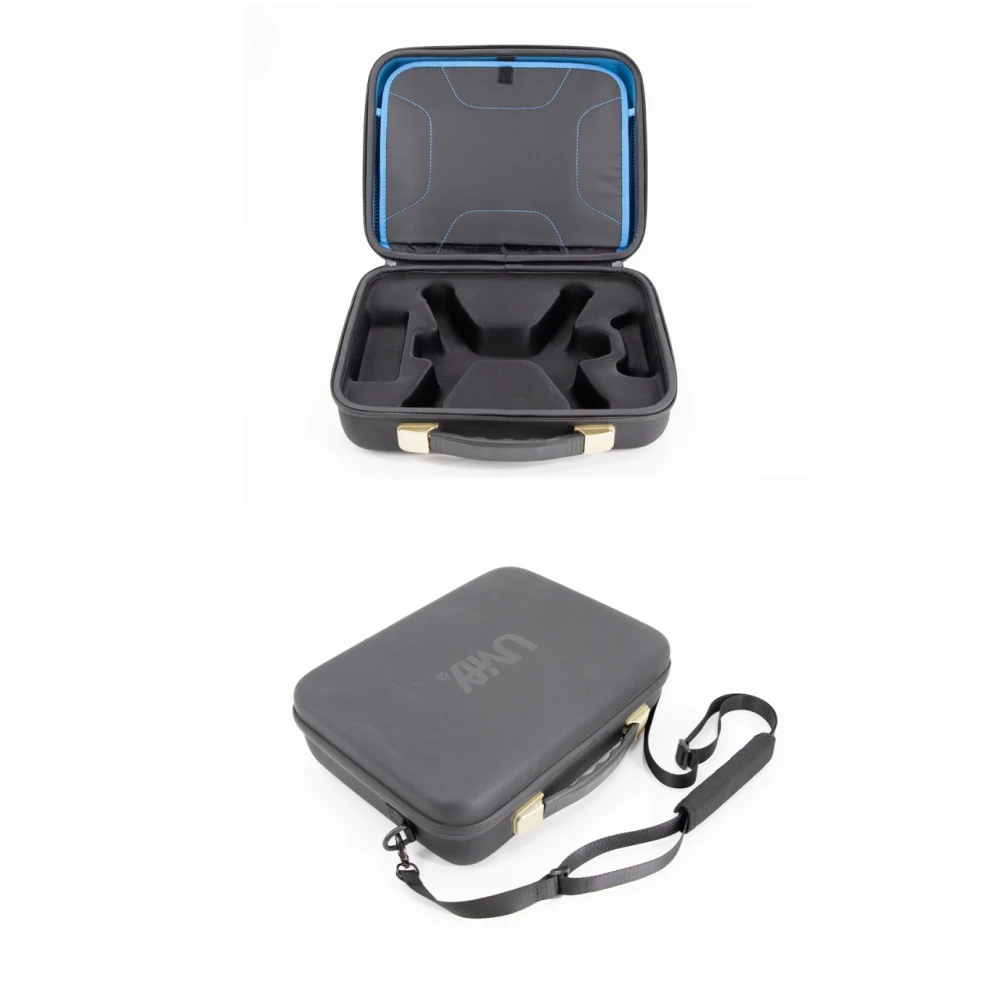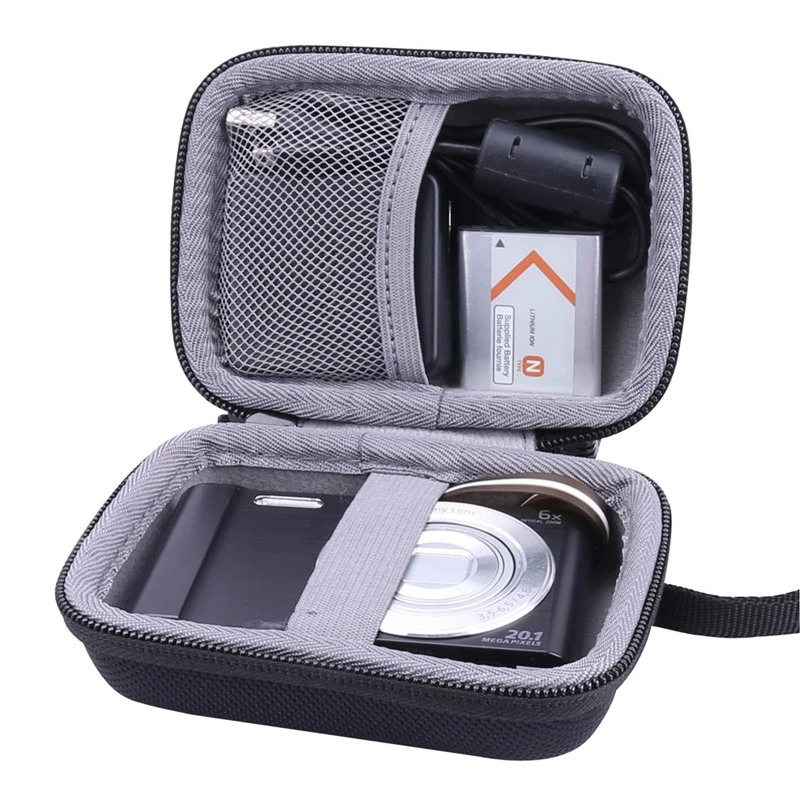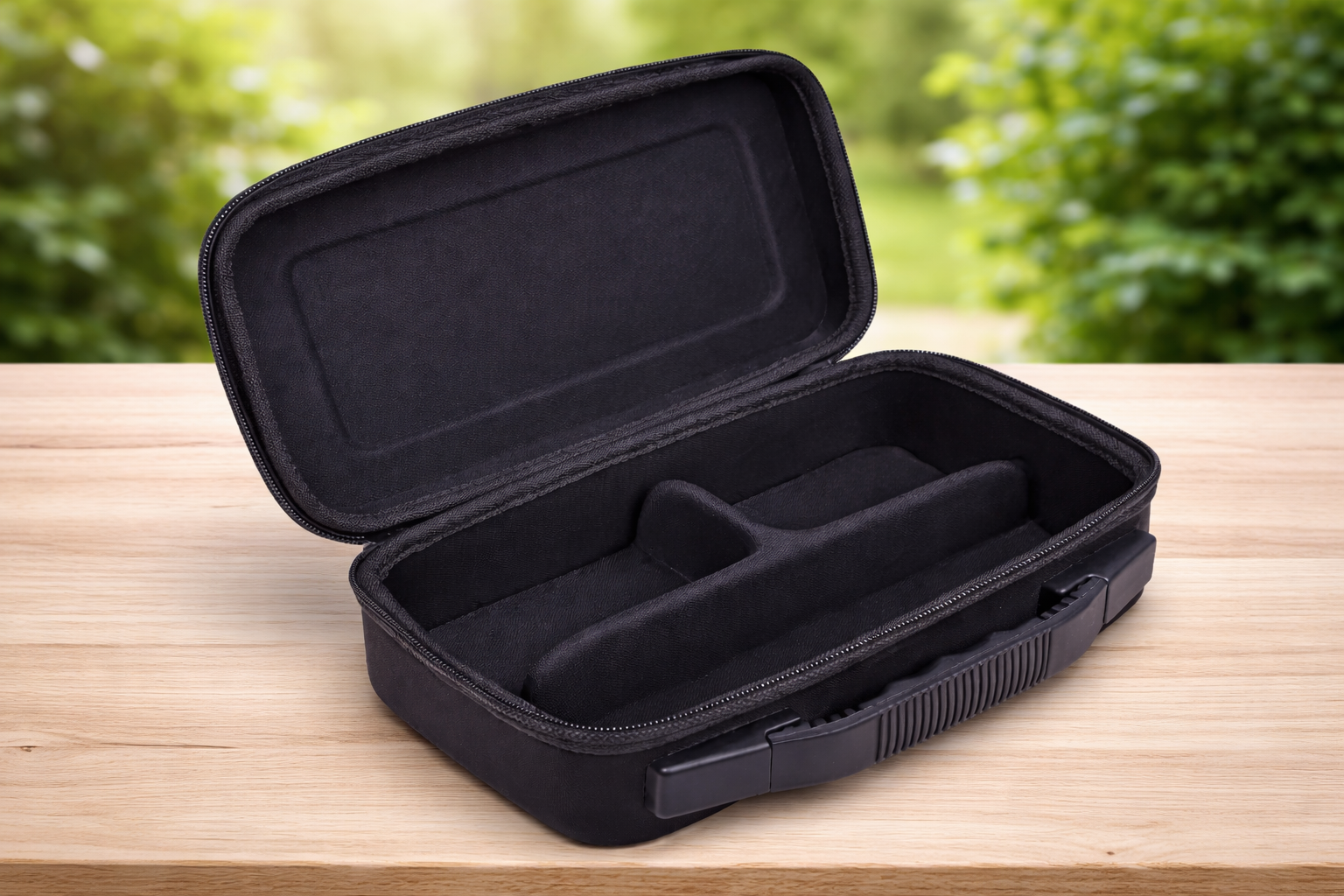
At Huizhou EVA Bag Co., Ltd., we have spent years working closely with EVA foam and sponge materials for protective packaging solutions. As global products become more delicate, higher in value, and more diversified in form, packaging materials are expected to do far more than simply fill space. They must protect, stabilize, and adapt to increasingly complex logistics environments.
Among various cushioning materials, EVA foam stands out for its balanced performance, process flexibility, and wide industrial acceptance. Understanding how EVA foam is structured, produced, and applied helps explain why it has become a core material in modern packaging systems.
Understanding EVA Foam and Sponge Materials
EVA foam is produced from ethylene vinyl acetate copolymer and is commonly categorized as a functional foam material used for cushioning, protection, and insulation. In practical packaging applications, EVA foam is often discussed alongside sponge materials because both share similar elastic and shock-absorbing characteristics.
Sponge materials are mainly based on polyurethane chemistry, but different production processes result in significantly different structures and performance. From a packaging perspective, these materials are generally divided into polyester sponge and polyether sponge. Each type serves specific protection requirements depending on product weight, fragility, and transport conditions.
At Huizhou EVA Bag Co., Ltd., material selection always begins with a clear understanding of structural behavior rather than appearance alone.
Structural Differences Between Polyester and Polyether Sponge
Polyester sponge is formed through a high-pressure sealed foaming process, which creates a dense and uniform internal structure. This structure provides higher tensile strength, better dimensional stability, and more consistent pore distribution. As a result, polyester sponge is commonly used in applications where precision and reliability are critical, such as electronics packaging, automotive components, printer consumables, and precision instruments.
In contrast, polyether sponge is produced using a box foaming process, resulting in a lighter and more flexible material. While its pore structure is less uniform and its strength is lower than polyester sponge, polyether sponge offers good elasticity and cost efficiency. It is widely used in general packaging, household products, appliances, toys, luggage, and apparel-related applications.
In our experience, selecting between these two materials is not about choosing the “better” sponge, but about choosing the right structure for the product’s protection logic.
EVA Foam Hardness and Thickness in Packaging Design
The protective performance of EVA foam is closely related to hardness and thickness. These two factors directly affect how impact energy is absorbed during handling and transportation.
Thickness typically ranges from thin layers below 1.2 mm for surface protection, to medium thickness for balanced cushioning, and thicker structures above 1.7 mm for higher impact resistance. Hardness is equally important, ranging from soft sponge with high elasticity to super-hard sponge designed for heavy or high-risk products.
At Huizhou EVA Bag Co., Ltd., hardness and thickness are always evaluated together. A softer material with insufficient thickness may fail under load, while excessive hardness may transmit shock instead of absorbing it. Achieving the right balance is a key part of effective packaging engineering.
EVA Foam Production Process and Performance Control
The performance of EVA foam is determined during the foaming process. EVA resin, foaming agents, and auxiliary materials are mixed to achieve controlled viscosity and reaction stability. A typical formulation includes EVA resin combined with chemical foaming agents and stabilizers, followed by molding under controlled temperature and pressure.
After foaming, mechanical processing is used to break closed cells when necessary, creating sponge-like elasticity and improving cushioning behavior. Proper formulation and process control result in low-density materials with stable compression performance. For example, EVA foam used in protective packaging often achieves densities around 0.028 g/cm³ with reliable compression hardness values.
This production consistency is what allows EVA foam to perform reliably across large-scale packaging projects.
Why EVA Foam Is Widely Used in Packaging Applications
EVA foam combines multiple functional advantages into a single material. It offers effective shock absorption while remaining lightweight, provides thermal insulation, reduces noise and vibration, and can be formulated for flame resistance or anti-static performance. At the same time, its structure allows for good breathability and long-term resilience.
Because of this versatility, EVA foam is widely used in packaging for automotive parts, battery systems, cosmetic products, electronics, furniture, and precision equipment. From inner inserts to custom-molded protective components, EVA foam adapts easily to different product shapes and protection requirements.
Many of our clients first approach us with a packaging problem rather than a material request. EVA foam often becomes the solution after understanding the real protection challenges involved.
Quality Standards for EVA Foam Packaging Materials
Reliable packaging performance depends on strict material quality control. High-quality EVA foam and sponge materials must have smooth surfaces, uniform pore distribution, consistent elasticity, and clean cutting edges. Internal structures should be free from mixed recycled cotton or unknown fillers that could compromise performance.
At Huizhou EVA Bag Co., Ltd., each batch of material is required to meet defined standards for composition, elasticity, and density. Material documentation and environmental compliance are essential not only for product safety, but also for long-term supply consistency.
Dimensional Accuracy and Manufacturing Tolerances
In packaging production, dimensional accuracy is often underestimated. EVA foam components must meet specified thickness, width, and length requirements to ensure proper fit and performance. Standard tolerances typically allow ±10 mm for length and width, and ±1 mm for thickness.
Maintaining these tolerances ensures that EVA foam inserts integrate seamlessly into packaging systems without affecting assembly efficiency or protective performance.
EVA Foam as a Core Packaging Material
EVA foam has become an essential material in modern packaging because it offers a rare combination of performance stability, processing flexibility, and application versatility. From material structure and production control to real-world protection performance, EVA foam continues to support safer and more reliable product transportation.
At Huizhou EVA Bag Co., Ltd., we believe that effective packaging begins with material understanding. Whether developing standard solutions or custom protective designs, EVA foam remains one of the most dependable choices in today’s packaging industry.
For companies seeking to improve packaging protection or explore EVA foam solutions, professional consultation at the early stage often leads to better long-term results.
 Hot News
 EN
EN