EN
EN

EVA Material Properties: The Science Behind Elegance and Function
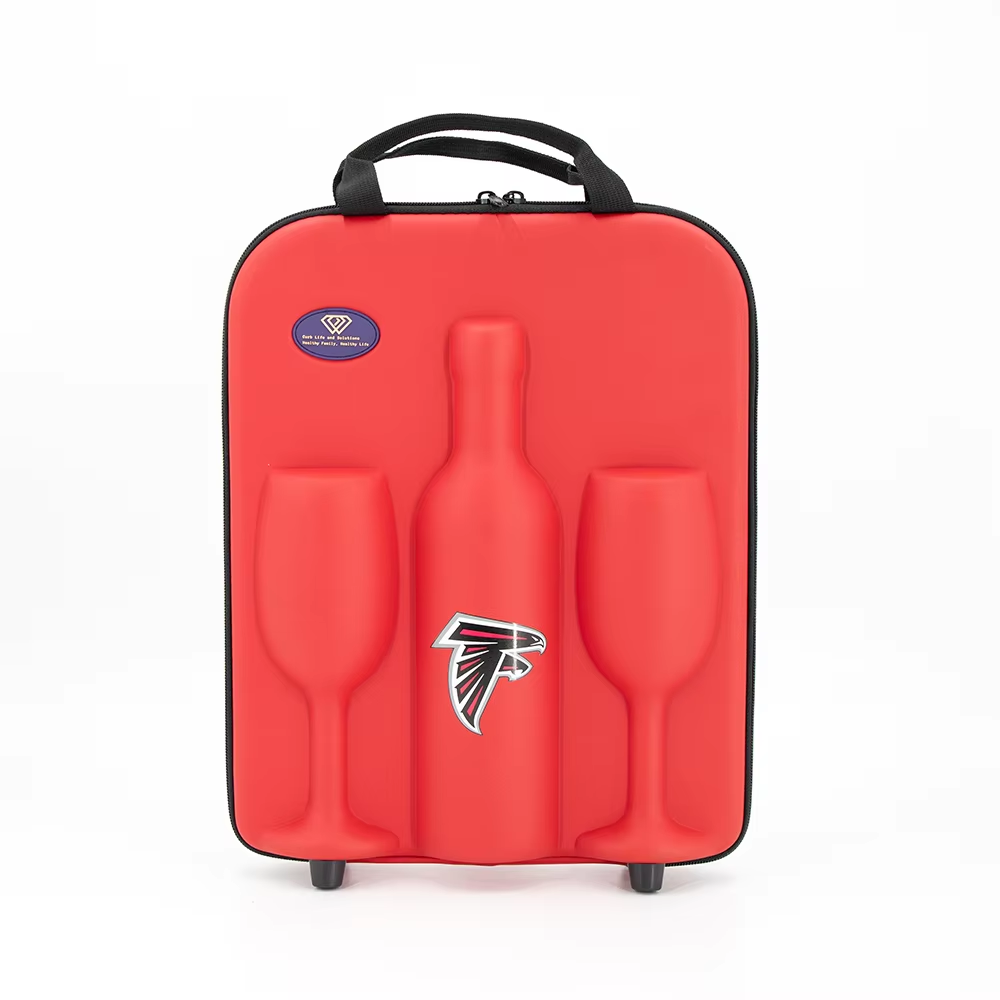
Lightweight, Flexible, and Impact-Resistant Performance
EVA, which stands for Ethylene Vinyl Acetate copolymer, performs really well because of how its molecules are arranged. We're talking about a material that weighs around 0.93 grams per cubic centimeter, making cases significantly lighter than other options on the market. Some tests have shown cases can lose up to thirty percent of their weight when switching to EVA, all while keeping the same strength properties. What makes this stuff special is the vinyl acetate component that gives it something like rubber's flexibility. This means EVA can take hits and bounce back without getting permanently damaged, which matters a lot when shipping delicate gear across country. Labs have tested this stuff too, finding that EVA foam springs back from being compressed ninety percent almost immediately. Traditional hard materials just don't match this kind of shock absorption capability. Combine all these qualities - lightweight nature, ability to withstand impacts, quick recovery time - and it's no wonder why so many professionals in packaging and transport industries prefer EVA over other materials available today.
Waterproof, UV-Stable, and Chemically Inert Protection
The closed cell design of EVA creates a barrier that keeps moisture out effectively. Testing shows water absorption stays under 0.5% even when submerged for extended periods according to ASTM D1056 standards. What makes EVA stand out is its cross linked polymer structure which gives it good UV resistance. After over 500 hours in accelerated weather tests following ISO 4892-3 guidelines, samples show no signs of yellowing or becoming brittle. Compared to other reactive plastics on the market, EVA doesn't react with oils, mild acids or standard solvents. This chemical inertness makes it suitable for all sorts of demanding situations from factories to hospitals and outdoor installations where materials often come into contact with aggressive substances. The material maintains both performance quality and looks over time regardless of what environment it finds itself in.
Functional Superiority: Precision Fit, Portability, and Reliable Protection
Tailored Interior Layouts and Dimensional Accuracy for Sensitive Gear
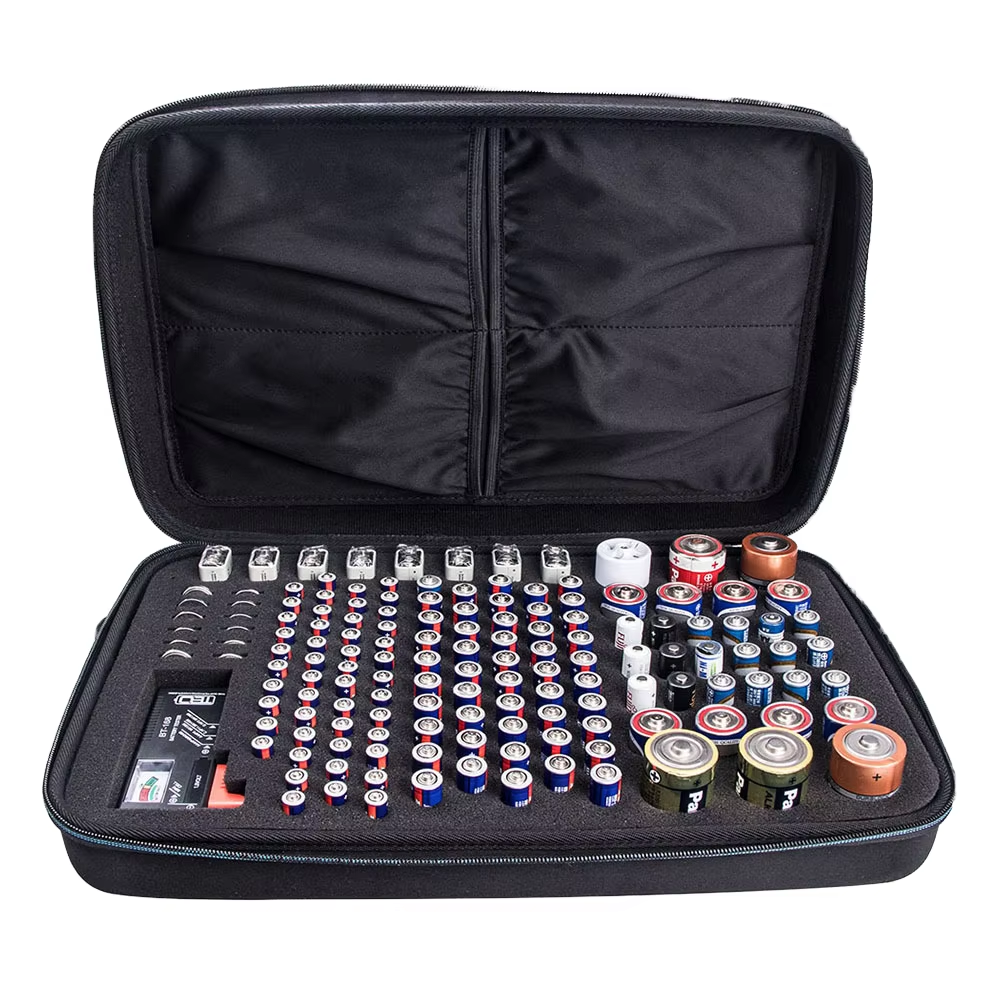
EVA cases made with precision engineering offer protection for sensitive equipment like microscopes, drones, and various portable diagnostic tools. They feature custom cut foam inserts machined by CNC processes which stop things from moving around inside and guard against damage caused by vibrations. Generic containers just don't compare. These specially designed cases can soak up impact forces about three times better than regular ones based on tests following MIL-STD-810H standards. The material itself has great strength despite being light weight. Cases stay rigid even when holding 15kg but weigh about 40% less than similar aluminum boxes. Handles are built in ergonomically and the outer shell is shaped to make carrying one handed possible without sacrificing how well they resist crushing. Field workers, emergency medical staff, and anyone who travels with gear find these cases absolutely essential for their work.
Proven Applications: Where EVA Cases Excel Across Industries
EVA cases have become the go-to solution in industries where equipment just can't fail. Take electronics manufacturing for instance - these cases absorb shocks so well that they actually stop those tiny cracks from forming in PCB boards when products get shipped around. Tests show they cut down vibrations by about 97%, which matters a lot when components are worth thousands. Doctors and nurses count on EVA's ability to keep water out completely. After being submerged, these cases only pick up half a percent in weight, something that makes all the difference for keeping medical devices sterile. Military and aviation folks love them too because EVA stays flexible even at minus 40 degrees Celsius, surviving those brutal temperature swings at altitude without cracking. Sports companies aren't left out either. Their EVA cases can handle up to 200 pounds per square inch of pressure, protecting expensive camera gear and golf clubs from getting crushed during airline baggage handling. What makes EVA stand out? It doesn't react with chemicals, holds up against harsh environments, and maintains its shape no matter what. In fields where equipment failure means disaster, this combination simply cannot be beat.