EN
EN

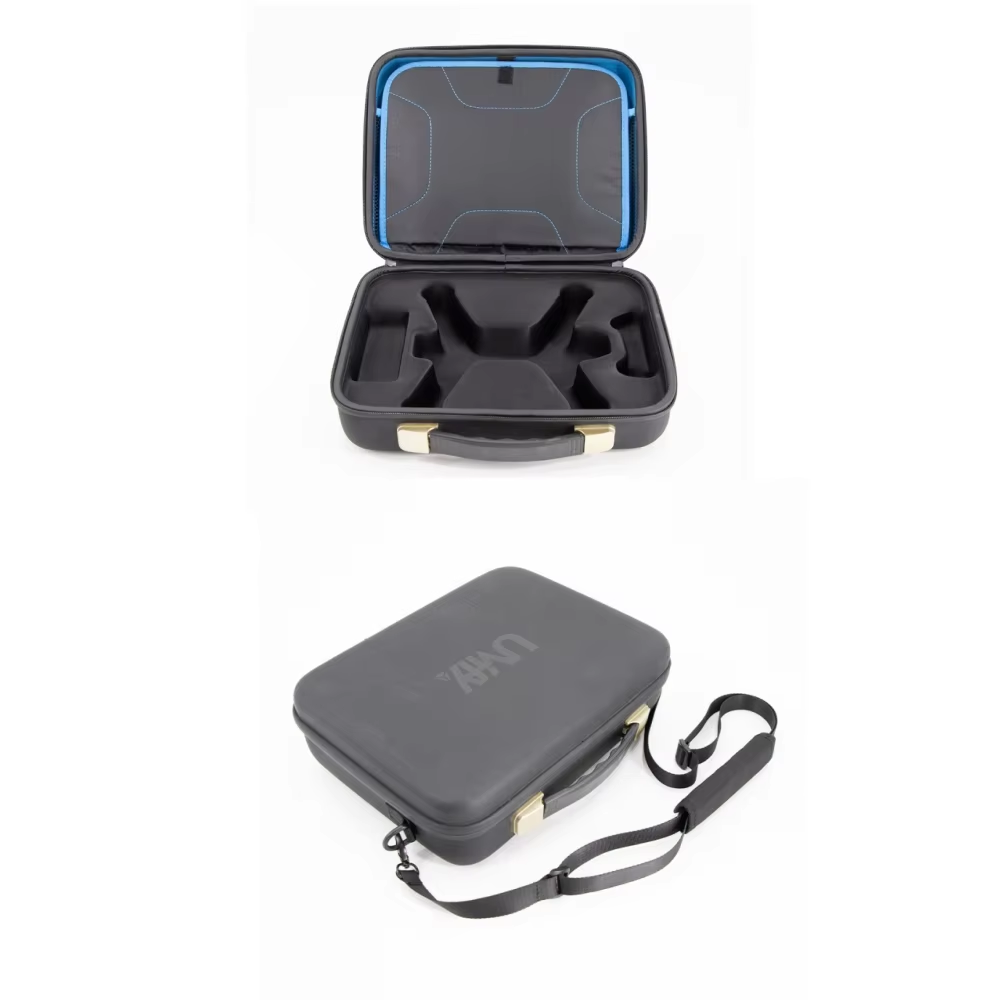
Exceptional Impact Absorption and Vibration Damping
How EVA Foam Insert Properties Outperform Traditional Foams in Shock Mitigation
EVA foam inserts made from ethylene-vinyl acetate offer better protection against shocks because they convert energy at the molecular level. Regular foams like polyurethane or polystyrene tend to bounce back quickly after something hits them, but EVA has this special cross-linked polymer structure that turns kinetic energy into heat through what's called viscoelastic hysteresis. What this means in practice is that it stops those annoying resonances that can actually amplify shock throughout delicate parts. Tests show that EVA soaks up around 15 percent more impact energy compared to standard foams, and works reliably even when temperatures swing from minus 40 degrees Fahrenheit all the way up to 180 degrees. For companies shipping expensive electronics, optical sensors, or precision equipment, EVA becomes the go-to material. It really shines when dealing with vibrations between about 10 and 500 hertz frequencies, which is exactly where most wear and tear happens over time during transport.
ASTM D3574 Data: Compression Recovery, Energy Dissipation, and Real-World Relevance
Testing according to ASTM D3574 gives us concrete proof about how much better EVA performs mechanically when put through tough situations. This particular standard looks at things like how well materials bounce back from compression, how they handle energy absorption, and whether they deform permanently over time. These factors are really important for something that needs to protect stuff for the long haul. According to what we've seen in these tests, EVA manages to recover about 92% of its original shape even after going through 10,000 compression cycles. That's way ahead of polyurethane which only gets around 68% recovery. And because EVA has such a low compression set rating (less than or equal to 8%), it keeps its dimensions stable throughout extended use. This means no annoying gaps forming between protective layers that could let damage get through in those critical flight cases or instrument transport containers.
| Property | EVA Foam Insert | Traditional Foam |
|---|---|---|
| Energy dissipation (%) | 85±3 | 63±5 |
| Compression set (%) | 8 | 32 |
| Impact cycles retained | >10k | <3k |
This fatigue resistance enables EVA inserts to reliably withstand 4.5G vibration forces typical in air freight—critical for safeguarding optical sensors, calibration tools, and other mission-critical hardware where material failure risks irreversible damage.
Precision Protection Through Tailored EVA Foam Insert Design
From Measurement to Cutout: Engineering a Perfect Fit for Flight Cases and Instruments
When it comes to protecting sensitive equipment during transport, custom EVA foam inserts turn ordinary packaging boxes into highly effective protection systems. Designers typically start by either using 3D scanning technology or taking careful manual measurements to get the exact shape of whatever needs protection. These could be delicate surgical tools, expensive audio mixing gear, or even specialized components for drones. Once they have those measurements, computer controlled routers work their magic on closed cell EVA foam sheets, cutting out precise shapes down to fractions of a millimeter. What makes these inserts so special is how they completely stop any movement inside the box. Standard padding just doesn't compare because these custom made pieces spread the pressure evenly over fragile parts, which means no unwanted scratches on lenses or stress points that might crack under normal conditions. Most manufacturers go for dual density setups these days. The softer sections around 25 to 30 ILD handle things like screens and connectors, while the stiffer parts at about 45 to 60 ILD take care of heavier items like power supplies or battery packs. Real world testing has shown that this approach cuts down on shipping damage by roughly two thirds compared to traditional loose fill methods. That's why high value items like lab microscopes, industrial monitoring equipment, and aviation electronics can be shipped confidently knowing they'll arrive working perfectly after their journey.
Design Flexibility and Application-Specific Customization
Tuning Performance via Density Grading, CNC Shaping, and Surface Texture Options
What makes EVA foam so versatile? Three main factors really stand out when we look at how it's engineered: density control, CNC machining accuracy, and special surface treatments. When manufacturers adjust the density throughout different layers, they can create areas that handle impacts better. For instance, softer sections might compress around 40% when pressure reaches about 15 psi, cushioning against sudden shocks. Meanwhile, denser parts maintain their shape and support heavier loads without collapsing. Research in industrial packaging shows these layered designs can cut down vibrations by as much as 90% at those tricky frequency ranges where damage typically occurs. The real magic happens with CNC machines though. These computer-controlled tools produce shapes with incredible precision that regular die cutting just can't match. They handle complicated curves, recesses, and interlocking spaces within a fraction of a millimeter tolerance. This means products stay securely positioned even during rough transportation or intense handling situations. And then there are all sorts of surface treatments available too...
| Feature | Performance Impact | Common Applications |
|---|---|---|
| Anti-slip embossing | 70% friction increase | Medical device trays, sterile instrument kits |
| Smooth laminate | Enhanced scratch resistance | Camera lenses, laser optics, display panels |
| Perforated patterns | ~50% weight reduction without sacrificing cushioning | Aerospace avionics, portable diagnostic gear |
All variants retain EVA's inherent closed-cell structure—validated across 500+ accelerated aging cycles for resistance to moisture, oils, and common cleaning agents. This convergence of form, function, and durability makes tailored EVA the only viable solution for applications where off-the-shelf foams consistently fail.
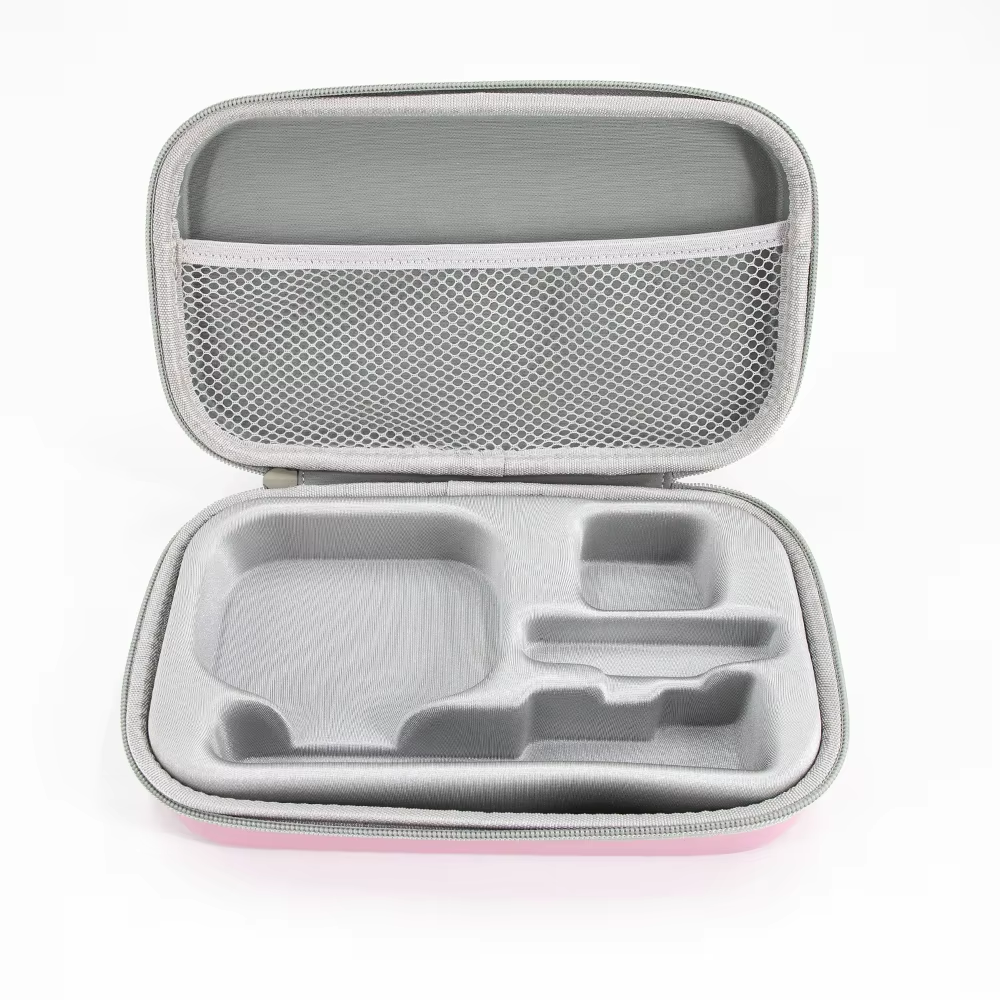
Proven Durability and Long-Term Value Across Industries
Lifecycle Validation: Field Data from Packaging, Medical Transport, and AV Equipment
The field results speak volumes about EVA foam inserts when it comes to lasting power and money saving potential. Industrial packaging folks have noticed around 40% fewer replacements needed over five years compared to run-of-the-mill foams. Why? Because EVA stands up better against things like compression set issues, doesn't break down under UV light, and stays firm even when exposed to moisture. The medical transport world tells a similar story. Sterilizable EVA parts keep working just fine after hundreds of autoclave runs or hydrogen peroxide treatments, which is critical for keeping sensitive imaging gear and point of care devices safe during transport. Looking at professional audiovisual equipment, independent tests show these foams still cut impact forces by 98% after three straight years of regular use. That translates to roughly $740k saved each year on repairs and replacements according to some research from Ponemon back in 2023. All told, these real world experiences across different industries clearly show that specially made EVA foam isn't just throwaway stuff anymore. Instead, they act more like long lasting investments, typically lasting 3 to 5 times longer than what's normally available on the market.