EN
EN

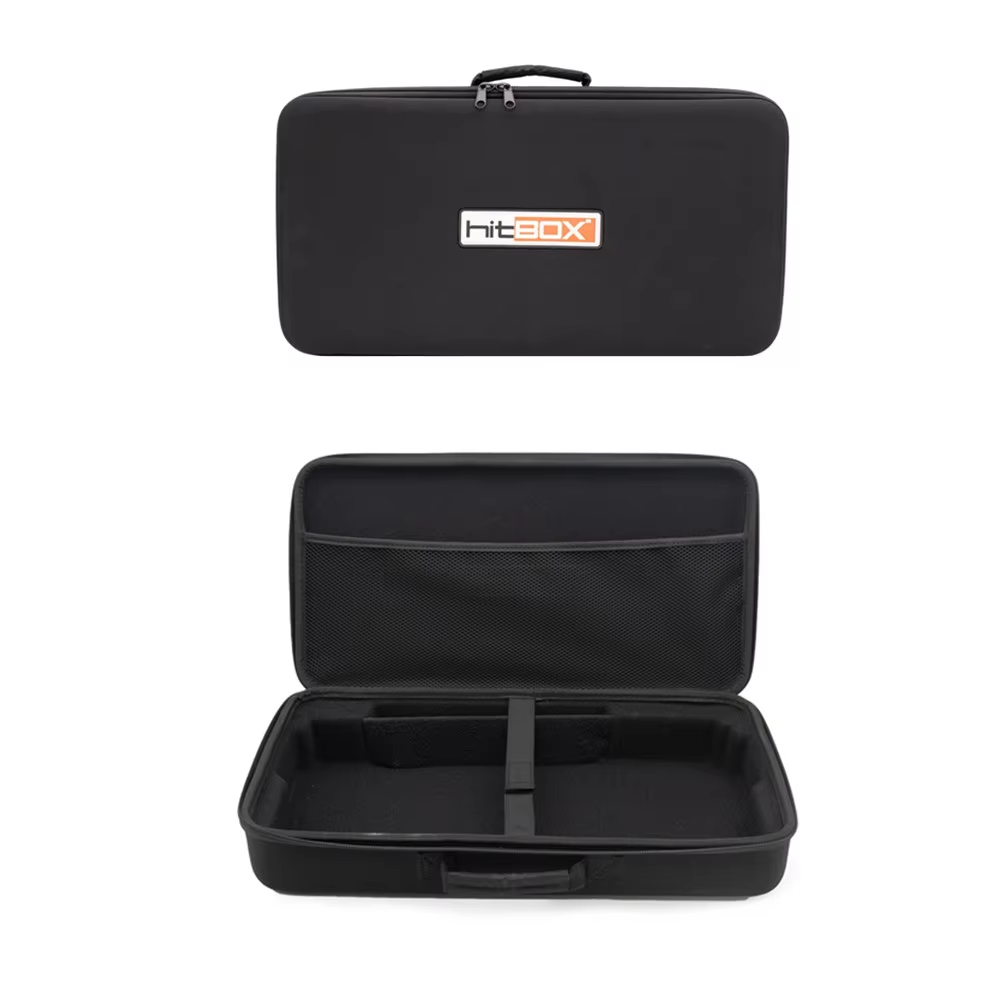
Why EVA Material Is the Gold Standard for Protective Case Construction
Shock Absorption and Energy Dissipation Mechanisms in EVA Foam
EVA foam, also known as Ethylene-Vinyl Acetate, offers really good impact protection thanks to its special closed-cell structure. When something hits it hard, those tiny air pockets inside get squished slowly instead of letting all the force pass straight through to whatever's inside. This means the energy gets turned into heat instead of damaging stuff. According to tests done under ASTM D1596 standards, EVA can cut down on those sharp g-forces by around 60 to 70 percent when dropped from one meter high. That makes a big difference for things like circuit boards or optical lenses which might break if they hit anything above about 200g. The way EVA performs depends a lot on how dense it is. Lighter versions weighing between 30 and 45 kg per cubic meter work great for protecting delicate medical gear, whereas heavier ones at 60 to 80 kg per cubic meter handle much bigger impacts in industrial settings without getting permanently damaged.
Water Resistance, Thermal Stability, and Environmental Durability
The natural water repelling properties and ability to withstand extreme temperatures make EVA materials particularly well suited for tough working conditions. Because of its closed cell structure, it forms a really good barrier against moisture. Products made with EVA can actually pass the IP67 waterproof rating test after being underwater for half an hour at one meter depth. Compared to other materials that crack or melt under stress, EVA stays pliable even when temperatures drop below freezing or climb above body heat levels. Special versions treated with UV stabilizers can handle over 500 hours in lab tests simulating harsh outdoor conditions according to ASTM standards. They resist damage from things like ozone pollution, salty sea air, and various chemicals found in industrial environments. For ships at sea or factories dealing with constant changes in temperature and humidity, this kind of durability means parts last anywhere from three to five years longer than regular options on the market today.
Smart Structural Design: How EVA Case Geometry and Inserts Prevent Damage
Exterior Shell Rigidity and Contoured Impact Zones
The exterior design of EVA cases brings together smart engineering principles with solid material properties. When dropped or bumped, the rigid outer walls spread out the shock across their entire surface area. At the same time, certain parts of these cases are shaped in ways that actually push incoming forces away from the weakest spots like corners and edges. The combination works really well - tests show that these specially designed cases can reduce maximum impact force by around 70 percent compared to regular flat panel alternatives. Inside the structure, there are reinforcing ribs placed exactly where they're needed most. These ribs make the cases much tougher without making them heavier or bulkier. Field technicians who regularly transport sensitive equipment appreciate how these features protect gear during all sorts of rough handling situations, whether it's being tossed into a vehicle trunk or dropped accidentally at a job site.
Custom-Fit Foam Inserts: Pick-and-Pluck, CNC-Cut, and Autoclavable Options
Interior protection hinges on precise immobilization. EVA cases use three primary insert systems:
- CNC-cut foam, milled to millimeter tolerances for instruments requiring exact fit and repeatable positioning
- Pick-and-pluck foam, offering rapid, tool-free customization for prototyping or multi-item kits
- Autoclavable medical-grade foam, validated for repeated sterilization cycles in clinical settings
All options eliminate internal movement—the leading cause of transit damage—while optional anti-static or moisture-barrier linings extend protection. Field data shows properly fitted inserts reduce vibration-induced damage by 92% during transport.
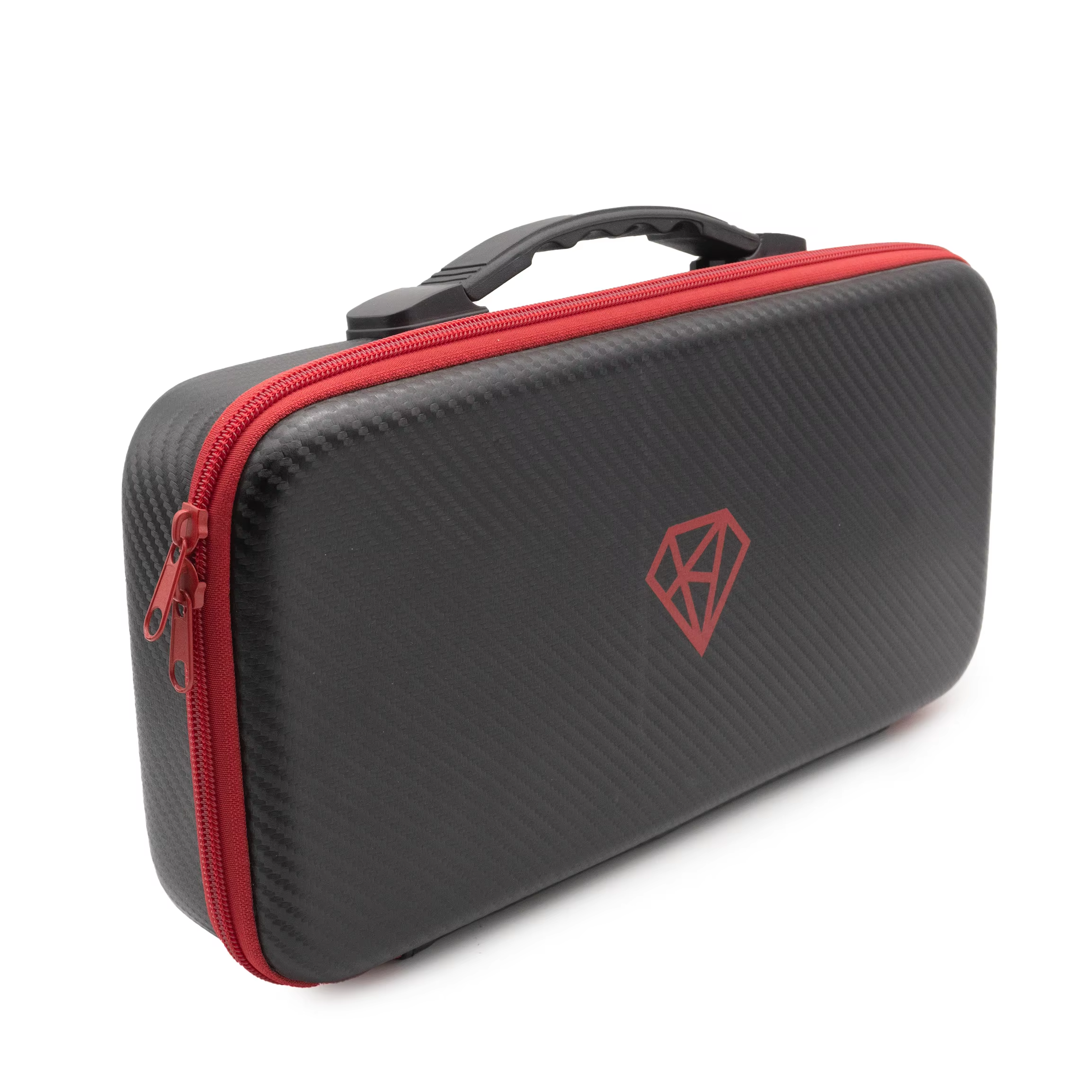
Real-World Protection: EVA Cases in High-Stakes Professional Environments
EMI-Shielded EVA Cases for Medical Devices and Sensitive Electronics
Healthcare facilities and electronic testing labs need both physical safeguards and good electromagnetic protection. EMI shielded EVA cases work by adding conductive materials like nickel copper mesh or carbon filled foam into their construction, creating what amounts to a Faraday cage effect. These protective cases can block signals between 60 to 100 decibels, which stops interference from messing up things like heart rate monitors, medical imaging equipment, and sensitive laboratory instruments. What makes this shielding so important is how it stops data errors when transporting equipment. According to research from the Ponemon Institute, just one instance of signal interference during transport can cost upwards of seven hundred forty thousand dollars. The main component of these cases stays electrically neutral, making them safe to use near MRI machines and in areas with lots of radio frequency activity without causing any problems.
Field-Validated Performance: MIL-STD-810G and ISTA Certification Explained
When it comes to certifications, they basically take away all the guesswork and show whether something can handle what it's supposed to in actual conditions. For EVA cases that meet the MIL-STD-810G standard, these products go through no fewer than 24 different environmental stress tests. Think about things like dropping them from 40 feet onto concrete surfaces, subjecting them to freezing temperatures as low as minus 60 degrees Fahrenheit, and putting them through long periods of continuous vibration. Then there are the ISTA certifications which test how well products survive during transportation. These tests include repeated impacts similar to what happens during shipping, compression forces that exceed 1,200 pounds, and cycles where temperature and humidity fluctuate between minus 20 degrees and a scorching 160 degrees Fahrenheit. When cases satisfy both of these rigorous standards, they really prove their worth for serious applications.
- Reliable impact resistance at 1,500+ G without internal damage
- Uncompromised structural integrity across severe thermal transitions
- Consistent load-bearing performance under sustained compression
This third-party validation ensures mission-critical gear—from aerospace sensors to emergency medical kits—arrives fully functional, even after disaster-response logistics or global military supply chains.