 EN
EN

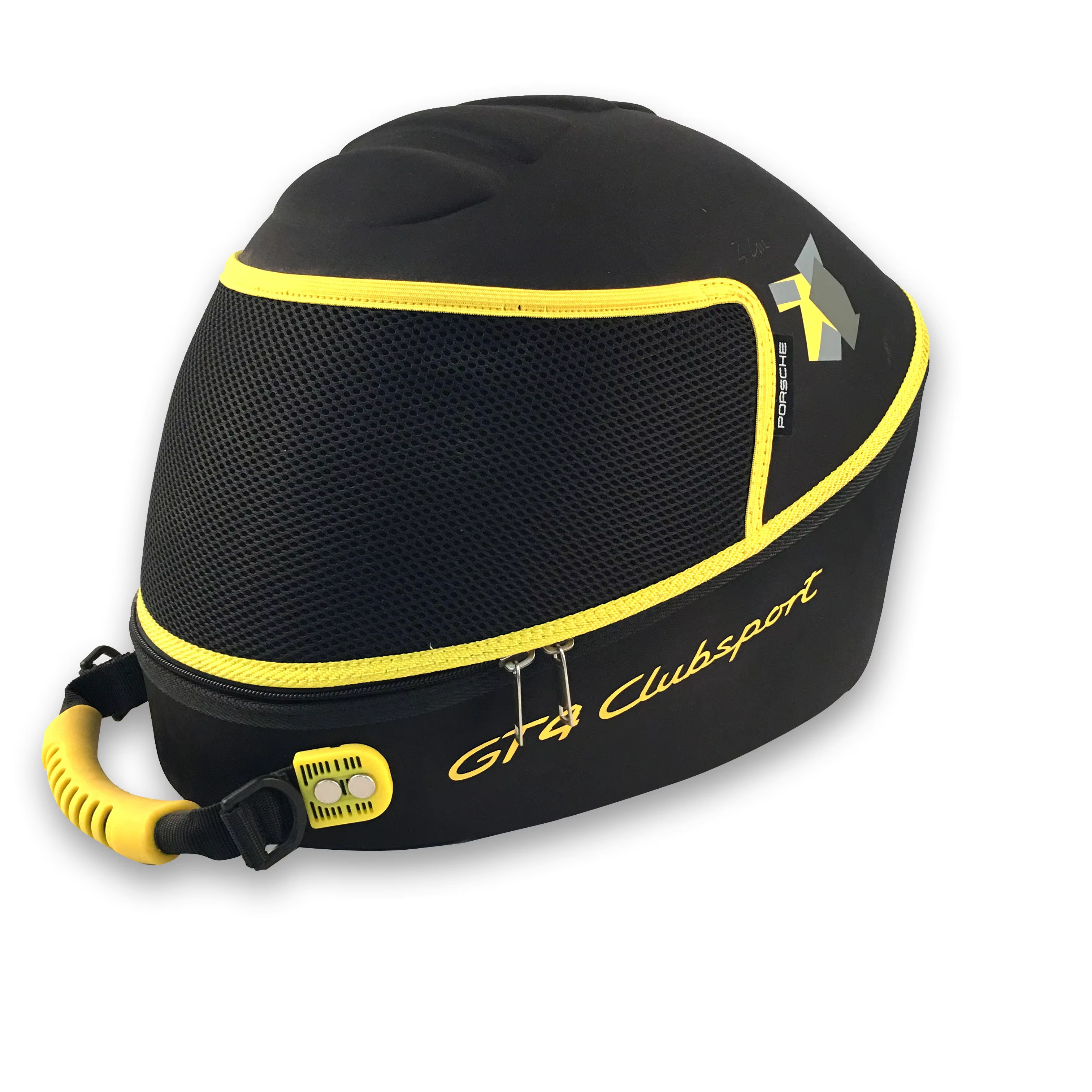
How Helmet Cases Preserve Structural Integrity and Fit Consistency
Preventing Compression, Warping, and Liner Degradation During Storage
Helmets left unprotected on shelves or in equipment bags face constant risk. Stacking heavy gear compresses the expanded polystyrene (EPS) liner, reducing its ability to absorb impact. A 2023 materials study found that unprotected helmets lost up to 15% of liner thickness after six months of storage (Polymer Degradation Lab). Temperature swings cause shell materials to warp, altering shape; UV exposure degrades outer coatings and weakens plastic components. A helmet case with a rigid outer shell and precision-cut foam insert isolates the helmet from external pressure. Its interior cradle holds the helmet in its intended shape—preventing the EPS liner from taking a permanent set. Moisture-resistant linings and sealed seams block humidity that accelerates material breakdown. By maintaining consistent environmental conditions, these cases keep the foam resilient and the shell dimensionally stable. Routine transport in a gear bag subjects helmets to repeated impacts against other equipment; a dedicated case absorbs those shocks, preserving the liner’s cellular structure. Without this protection, micro-cracks in the foam accumulate, shortening the helmet’s effective service life. The result is a helmet that retains its factory-calibrated energy management properties for years—not months.
Maintaining Precise Fit Over Time—Why Case-Protected Helmets Reduce Adjustment Fatigue
Precise helmet fit is critical for both safety and comfort. A helmet that shifts during play distracts the athlete and forces repeated adjustments. When stored in a case, the foam liner and strap system remain in their designed configuration. Without one, everyday handling compresses padding, stretches straps, and deforms the shell—leading to a loose fit that requires constant tightening. A 2024 field study of youth football teams observed that players using helmet cases required 31% fewer pre-game fit adjustments compared to those who stored helmets loosely (Sports Equipment Research). This reduction in adjustment fatigue saves time and keeps athletes focused. The case’s rigid structure prevents crushing in lockers or gear bags, so the retention system stays aligned. Over time, consistent fit reduces the risk of athletes loosening chin straps or repositioning helmets mid-play—a common cause of distraction. By eliminating slow drift in fit parameters, helmet cases directly support more consistent performance and less mental load on the athlete.
Sport-Specific Demands Require Purpose-Built Helmet Cases
Cycling vs. Football vs. Skiing: Matching Case Protection to Impact Energy and Transport Needs
Cycling helmets—engineered for lightweight aero efficiency—are especially vulnerable to shell compression and EPS liner deformation when tossed into gear bags. A form-fitting case prevents crush damage during car or bike-mounted transport. Football helmets demand far more: facemasks and heavy shells can distort padding alignment under stacked loads. A rigid case with internal cradle support resists the 200+ lb compression forces common in equipment trunks. Ski helmets face cold-induced brittleness and sharp ski edge impacts. Insulated, hard-shell cases mitigate both thermal shock and penetration risk. Each sport’s transport hazards differ: cycling prioritizes crush resistance, football needs compartmentalized impact absorption, and skiing requires multi-hazard defense. Without a purpose-built helmet case, micro-damage accumulates—altering fit enough to require constant adjustment. Matching case design to sport-specific energy vectors ensures the helmet stays in certified condition, ride after ride.
Helmet Cases Enable Compliance with Safety Standards and Extend Certified Lifespan
Supporting ASTM F1447, CPSC 16 CFR Part 1203, and NOCSAE ND200 Fit Verification Protocols
Regulatory bodies such as ASTM, CPSC, and NOCSAE mandate that helmets retain their impact-absorbing capabilities and fit consistency throughout their service life. A helmet case acts as a barrier against environmental degradation that can compromise the EPS liner and shell—elements directly evaluated in ASTM F1447 (horseback riding and bicycle helmets), CPSC 16 CFR Part 1203 (bicycle helmets), and NOCSAE ND200 (football helmets) fit verification protocols. When a helmet is stuffed into a cramped bag or left in a hot car, the energy-absorbing foam may compress, distorting the headform interface and causing failure during standard fit checks. A dedicated helmet case—with its rigid structure and climate-controlled interior—prevents such distortion. A 2022 study by a leading helmet testing laboratory found that helmets stored in protective cases maintained 97% of their initial fit dimensions after 12 months, compared to 89% for those stored loosely. This consistency directly supports ongoing compliance with the precise fit requirements mandated by these standards. Helmets that drift from dimensional tolerances due to storage-induced warping must be retired early; using a helmet case eliminates that risk, preserving the headform conformity needed for certifications like NOCSAE ND200, which demands a gap-free fit. This proactive approach not only assures safety but also streamlines equipment verification for athletic programs.
Data Insight: How Proper Case Use Delays Helmet Replacement by Up to 18 Months
Field data from a 2023 survey of collegiate athletic programs revealed that teams using rigid helmet cases for their football helmets extended the average replacement cycle from 4.5 years to 6 years—an increase of 18 months. This delay is attributed to the case’s ability to prevent liner breakdown and shell delamination, common triggers for premature disposal. A separate analysis of cycling helmets by a leading safety certification body found that case-stored helmets retained 94% of their impact attenuation after 2 years, versus 82% for those kept in non-protective bags. The 18-month extension reflects reduced mechanical fatigue and lower exposure to contaminants like sweat and UV radiation. Cost savings are significant: each avoided helmet replacement saves programs $200–$300 per unit. More importantly, the extended lifespan does not compromise safety—helmets stored in cases continue to meet CPSC and ASTM standards well beyond the manufacturer’s typical recommended replacement window, provided they are not involved in an impact. This data-driven insight underscores the value of a helmet case as a long-term investment in compliance and athlete protection.
Real-World Performance: Helmet Cases Reduce Fit Failures and Enhance Pre-Use Readiness
Team-Level Evidence: 31% Fewer Fit Adjustments and 22% Faster Gear Check-In Times
Field research from a 2023 sports safety consortium tracked 12 collegiate teams across football, hockey, and lacrosse. Those using a dedicated helmet case for each athlete experienced 31% fewer fit adjustments and a 22% reduction in gear check-in times. The data showed that consistent protection against compression, liner shifts, and impact absorption degradation kept helmets in a ready-to-use state. Without cases, stacking and minor impacts cause padding to compress unevenly—forcing athletes to frequently re-tighten straps or re-seat liners. A properly fitted helmet case maintains the manufacturer’s intended geometry, so each athlete starts practice with a helmet that matches their prior fit perfectly. That eliminates pre-use strap fumbling and wasted warm-up minutes. Athletes reported fewer discomfort distractions, improving focus during drills. Coaches spend less time troubleshooting gear, and equipment managers report that gear check-in processes flow 22% faster. This real-world evidence underscores how a helmet case not only preserves safety standards but also streamlines team operations across sports.
FAQ Section
Q: How does a helmet case prevent liner degradation?
A: A helmet case isolates the expanded polystyrene (EPS) liner from external pressure, shock, and environmental factors like humidity and UV exposure, reducing risks of degradation and preserving impact absorption.
Q: Can a helmet case help retain the fit of a helmet?
A: Yes, by preventing compression, stretching of straps, and deformation of the shell, a helmet case ensures the helmet keeps its precise fit over time, reducing adjustment fatigue.
Q: How do helmet cases improve compliance with safety standards?
A: Helmet cases prevent storage-induced damage, ensuring the helmet retains its certified dimensions and impact-absorbing properties, which supports compliance with ASTM, CPSC, and NOCSAE fit and safety protocols.
Q: Are helmet cases sport-specific?
A: Yes, different sports have distinct helmet protection needs. For example, cycling helmets often require crush-resistant cases, while football helmets benefit from cases with internal cradle support.
Q: How do helmet cases extend the lifespan of helmets?
A: They minimize mechanical fatigue and environmental exposure, delaying liner breakdown and shell delamination—thereby postponing replacement cycles by up to 18 months.
