 EN
EN

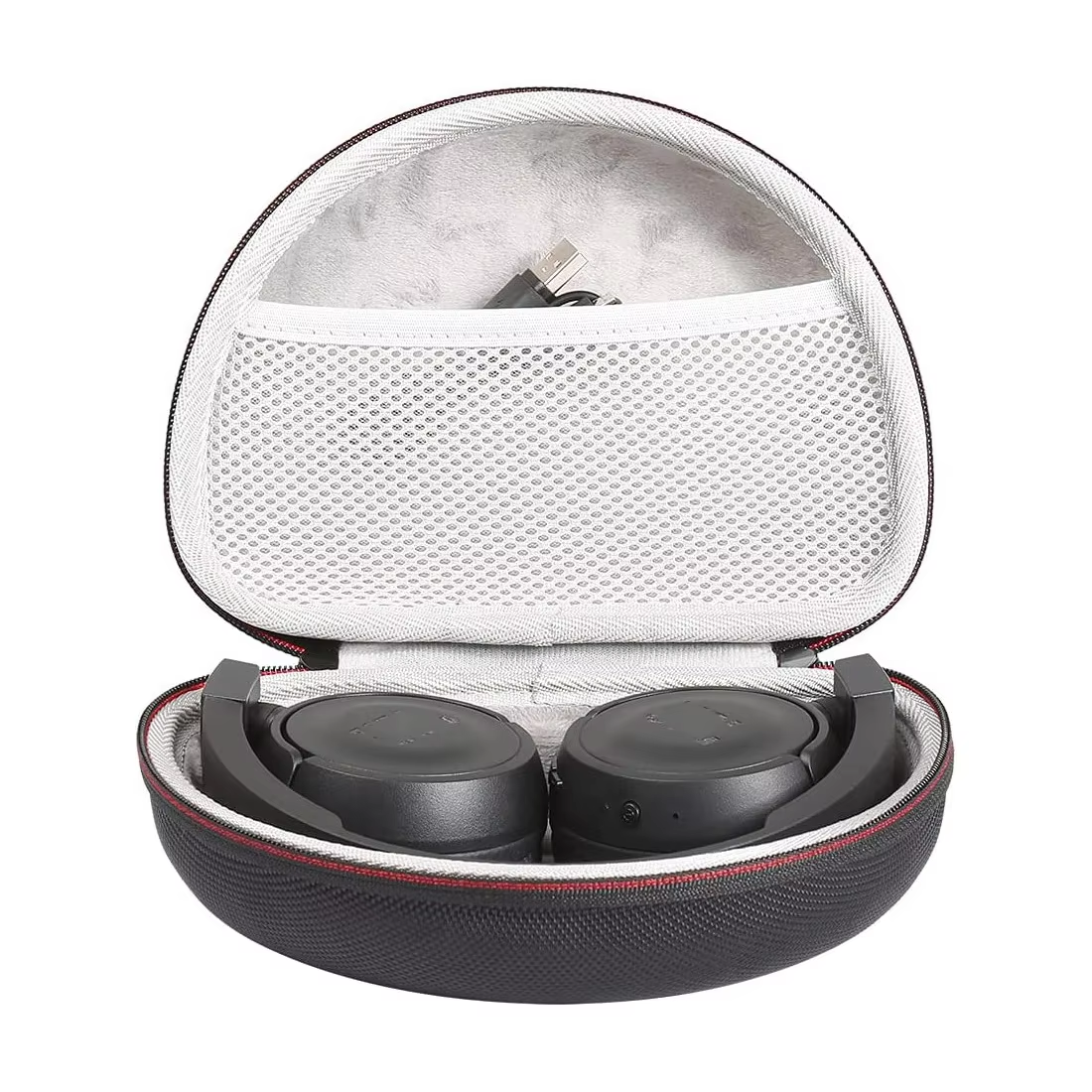
How Integrated Manufacturing Ensures Consistent EVA Case Quality
Eliminating batch variability through synchronized mixing, preheating, and injection
In conventional EVA case production, discrete mixing, preheating, and injection steps create process gaps that introduce density drift and surface defects. Integrated manufacturing eliminates these gaps by routing material directly from the mixer into a temperature-controlled preheater and then into the injection unit—forming a continuous, synchronized flow. This seamless handoff maintains compound viscosity within ±2% across batches, compared to ±8% in fragmented setups (Polymer Processing Institute, 2023). Idle time between stages is removed, preventing partial curing and the formation of hard spots or voids. Because the preheater delivers melt to the injection barrel at a stable front-end temperature, operators no longer recalibrate shot sizes after each material change. The result is consistent geometry, foam density, and tactile performance across every case—even in multi-cavity molds—ensuring uniform protection, dimensional accuracy, and premium feel for tooling and electronics packaging.
Closed-loop feedback between mixer and injection unit for real-time density control
Real-time density control is enabled by a closed-loop feedback architecture linking the mixer’s output sensors to the injection unit’s process controller. In-line rheometers sample melt flow index and temperature every 0.5 seconds, feeding data to a central PLC. When deviations exceed preset thresholds—such as a 1% drop in melt index—the system automatically adjusts back pressure and screw speed to compensate, holding foam density within ±0.8% of target (International Journal of Lightweight Materials, 2022). Unlike open-loop systems—where delayed manual corrections allow 3–5% density drift over a run—this instantaneous response ensures shot-by-shot consistency. Stable density translates directly to reliable shock absorption and uniform tactile quality. By embedding quality assurance into every cycle, integrated feedback eliminates post-production density sorting and significantly reduces internal scrap.
Enhanced EVA Case Performance Through Process Uniformity
Foam cell consistency and surface finish: direct impact on protection, aesthetics, and fit
Integrated manufacturing delivers precise control over EVA foam microstructure: uniform cell size and homogeneous distribution eliminate structural weak points, ensuring consistent impact absorption across applications—from cameras and drones to medical instruments. Surface finish benefits equally: evenly expanding foam fills molds completely, yielding smooth, defect-free exteriors free of dimples or grain irregularities. In premium markets, this aesthetic precision reinforces brand perception and buyer confidence. Dimensional stability follows naturally—identical melt flow and cavity fill across cycles produce cases that match design intent to within fractions of a millimeter, guaranteeing snug, rattle-free fits. Fit-related returns decline sharply, while visual and tactile consistency strengthens long-term brand reliability. The closed-loop monitoring of melt temperature and injection pressure locks in this reproducibility from first to last part.
Case study: 47% reduction in post-mold trimming waste for premium EVA case producer
A leading manufacturer of rigid EVA cases for handheld electronics replaced its batch-style line with a fully integrated system—unifying compounding, preheating, injection, and cooling under one control platform. Previously, minor fluctuations in melt viscosity and fill rate caused inconsistent flash along parting lines, requiring extensive manual trimming and discarding of off-cuts. After integration, real-time melt-index regulation and synchronized preheating delivered predictable, repeatable cavity fill. Within twelve months, post-mold trimming waste fell by 47%, cutting raw-material consumption and scrap-handling costs. Finishing labor declined proportionally, freeing staff for higher-value tasks. Crucially, cleaner, more precise edges elevated perceived build quality—demonstrating how tight process control drives simultaneous gains in sustainability, efficiency, and product excellence.
Operational Efficiency Gains in EVA Case Production
Real-time melt index, temperature, and pressure monitoring across the integrated line
Continuous, in-line monitoring of melt index, temperature, and pressure powers operational efficiency across the integrated EVA case line. Sensor-driven data enables immediate adjustments—preventing defects before they occur and reducing rework. Stable melt flow ensures consistent foam density; thermal consistency across preheating and molding shortens cycle times by eliminating overheating or underheating delays; and real-time pressure feedback prevents incomplete mold fills and associated scrap. This closed-loop control accelerates throughput, lowers per-unit costs, and supports leaner operations—reducing reliance on manual sampling and lab testing while improving responsiveness to custom order deadlines. Historical process data also enables predictive maintenance, minimizing unplanned downtime. And because the system adapts quickly to raw material variations, output remains stable even during batch transitions—accelerating time-to-market for new EVA case designs.
Sustainability Benefits of Integrated EVA Case Manufacturing
Integrated manufacturing enhances the sustainability profile of EVA cases—not just through material selection, but by optimizing the entire production footprint. By synchronizing compounding, preheating, and injection, the system eliminates energy-wasting cool-down and re-heating cycles inherent in batch processing. Continuous thermal management cuts energy use per case, directly lowering carbon emissions without compromising durability.
Process uniformity further amplifies environmental gains by targeting waste at its source. The same closed-loop controls that stabilize foam density also minimize over-injection and flash—cutting post-mold trimming waste by up to 47%, as demonstrated in the earlier case study. Less landfill-bound scrap means more raw material retained, and fewer replacement cases needed due to defects—avoiding secondary manufacturing impacts.
This cohesive architecture also unlocks scalable use of advanced eco-conscious materials. Integrated lines reliably process bio-based EVA blends and recycled content—maintaining the precise cell structure essential for protection—where fragmented systems often fail. By making sustainable alternatives viable at scale, integrated manufacturing helps define a future where high-performance EVA cases are measured not only by how well they protect, but by how responsibly they’re made.
FAQ Section
What is integrated manufacturing in EVA case production?
Integrated manufacturing in EVA case production refers to the seamless synchronization of processes such as compounding, preheating, and injection. This eliminates process gaps, ensuring consistent foam density, geometry, and surface finish.
How does closed-loop feedback improve EVA case quality?
Closed-loop feedback links sensors in the mixer and injection unit, enabling real-time adjustments to maintain melt flow index and foam density within tight tolerances, ensuring consistent quality and reducing waste.
What sustainability benefits are gained through integrated EVA case manufacturing?
Integrated manufacturing reduces energy consumption by eliminating cool-down and reheating cycles. It minimizes waste through precise foam density control and supports the use of eco-friendly materials like recycled EVA blends.
How does integrated manufacturing enhance operational efficiency?
By enabling real-time monitoring and adjustment of melt index, temperature, and pressure, integrated systems prevent defects, reduce cycle times, minimize scrap, and support predictive maintenance, leading to faster overall production.
