 EN
EN

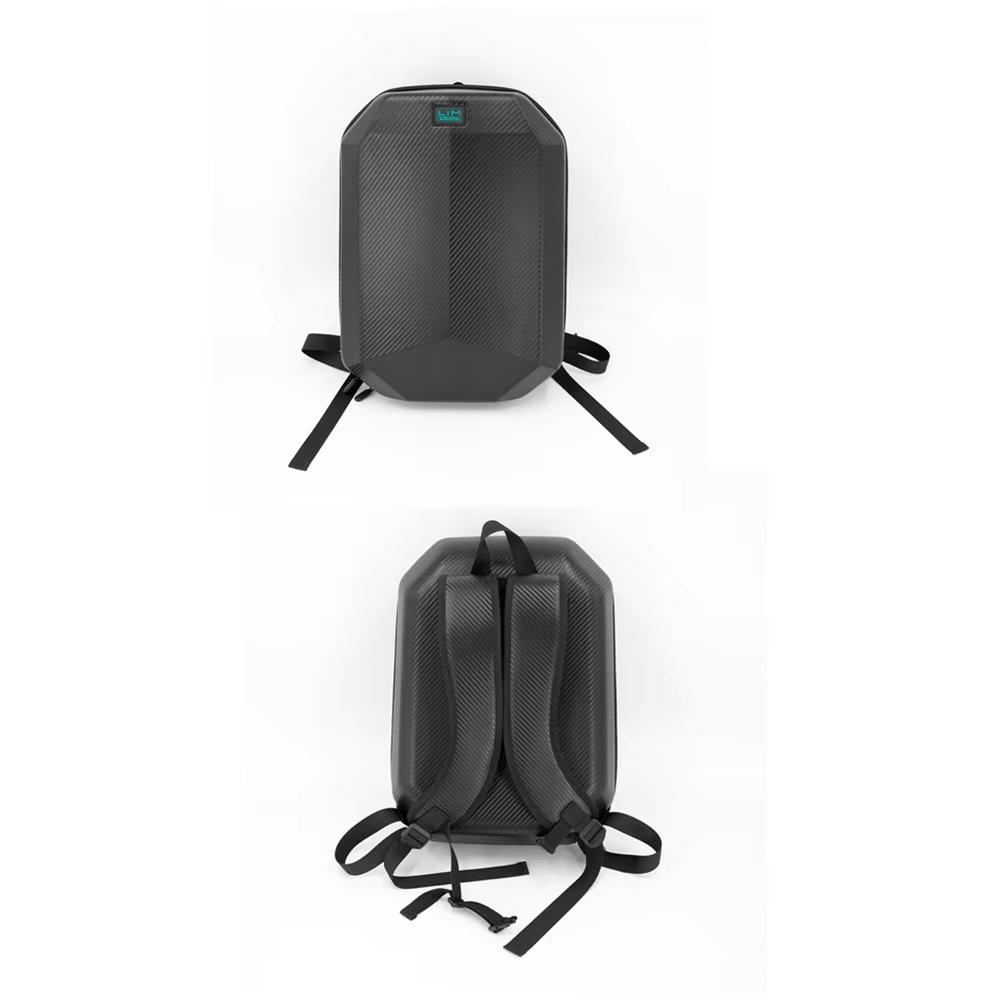
What Makes EVA Backpacks Stand Out in Material Performance
EVA (ethylene vinyl acetate) foam redefines backpack material standards—delivering lightweight flexibility, impact resilience, and inherent water resistance in a single, moldable solution. Unlike conventional nylon or polyester shells that rely on added padding for protection, EVA’s closed-cell structure absorbs shocks at the material level, safeguarding laptops and sensitive electronics from drops and daily impacts. Independent lab testing confirms EVA padding reduces impact force by up to 35% compared to standard foam liners (Material Science Journal, 2022)—a critical advantage for B2B buyers managing corporate equipment lifecycles. Its non-absorbent surface repels rain and spills, while its thermal insulation helps stabilize internal temperatures—preserving battery performance and document integrity. For manufacturers, EVA’s thermoplastic nature enables precise, custom-fit compartments without seams or stitching compromises, enhancing both organization and premium product presentation.
| Property | EVA Backpack Shell | Conventional Nylon/Polyester |
|---|---|---|
| Shock Absorption | High (closed-cell foam) | Low to moderate (padded liners) |
| Water Resistance | Excellent, non-absorbent | Requires coating, may degrade |
| Weight | Lightweight | Heavier with padding layers |
| Durability & Flexibility | Retains shape, resists cracks | Can wear, tear, or sag over time |
| Customization Ease | Easily molded into shapes | Limited to cut-and-sew |
This convergence of protection, lightness, and longevity lowers total cost of ownership—reducing replacements, minimizing returns, and reinforcing brand credibility through consistent, high-touch product experience.
EVA Backpacks for Business Use: Durability, Functionality, and Brand Alignment
Professional users demand gear that protects essentials and reflects organizational values. EVA backpacks deliver both: their material integrity supports daily resilience, while intelligent design reinforces brand alignment through usability and aesthetic cohesion. Two pillars anchor this value proposition—commute-ready durability and purpose-built organization.
Water Resistance and Impact Protection for Daily Commuting and Travel
EVA’s closed-cell structure provides natural, maintenance-free water resistance—no coatings required—keeping contents dry during sudden downpours or accidental spills. This is especially vital for professionals carrying electronics, paper documents, or medical devices where humidity exposure risks data corruption or physical degradation. Equally important is impact protection: EVA foam absorbs up to 85% of impact energy (Journal of Applied Polymer Science, 2021), significantly reducing device damage from common drop scenarios—such as slipping off desks or tumbling from transit seats. For mobile teams, field consultants, and frequent travelers, this dual defense translates directly into fewer hardware failures, lower replacement costs, and uninterrupted productivity across unpredictable environments.
Ergonomic Design and Organizational Features for Professional Users
Beyond material performance, EVA’s structural consistency enables refined ergonomics—contoured back panels, padded shoulder straps with load-distribution engineering, and balanced weight geometry reduce muscle strain during extended carry. Research shows well-designed ergonomic backpacks can lower upper trapezius fatigue by 22% (Ergonomics International, 2023), supporting sustained comfort across full workdays. Integrated features—including RFID-blocking sleeves, quick-access laptop compartments, cable management loops, and dedicated pen slots—eliminate clutter and accelerate transitions between meetings or locations. For B2B buyers, these functional details signal thoughtful investment in user experience—strengthening perceived brand empathy and long-term stakeholder loyalty.
Sourcing EVA Backpacks at Scale: Key Considerations for B2B Buyers
Scaling EVA backpack procurement demands more than price negotiation—it requires vetting a strategic supply chain partner. Procurement professionals should prioritize three interdependent factors: minimum order quantity (MOQ), functional customization depth, and lead time transparency.
A supplier’s MOQ reveals their production model—high-volume factories often require larger commitments but offer tighter unit economics; specialized workshops may accept lower MOQs with higher per-unit costs. The key is aligning order volume with realistic inventory turnover forecasts to avoid capital lockup in slow-moving stock. More strategically, customization must extend beyond color swaps to include functional enhancements: bespoke laptop sleeves sized for specific models, integrated cable-routing channels, or reinforced bottom panels engineered for tools or medical kits. These capabilities reflect deep manufacturing expertise—not just branding execution.
Equally critical is contractual lead time clarity. Buyers must secure documented agreements specifying exact timelines—from sample approval through final delivery—with enforceable delay penalties. As noted by an international trade consultancy, mature suppliers map production stages transparently (e.g., raw material cutting → thermoforming → quality control gates) and provide real-time tracking—transforming lead time from an estimate into a managed KPI.
Certifications, Sustainability, and Ethical Manufacturing Compliance
Certification due diligence isn’t a box-checking exercise—it’s a foundational risk mitigation step. ISO 9001 certification for quality management systems is the essential baseline. For material safety, OEKO-TEX Standard 100 or REACH compliance verifies that EVA foam and fabric linings are free from hazardous substances like phthalates, heavy metals, or formaldehyde. A 2023 survey by a leading purchase-to-pay network found that over 60% of enterprise buyers now pre-qualify suppliers using sustainable manufacturing scorecards.
Ethical sourcing extends beyond policy statements: credible partners publish clear labor standards and permit third-party social audits. Environmental responsibility requires verifiable metrics—not marketing claims—such as the percentage of recycled PET in interior linings or documented water-recycling rates in the EVA molding process. These signals indicate operational discipline and long-term reliability—reducing the risk of material defects, compliance failures, or reputational exposure down the line.
How EVA Backpacks Support Branding and Customer Retention Strategies
EVA backpacks function as high-fidelity brand extensions—blending durable utility with precise visual expression. Their smooth, non-porous surface accepts crisp, long-lasting logo application, turning everyday use into consistent, high-impact brand reinforcement. Unlike fabric-based alternatives prone to fading or distortion, EVA maintains color fidelity and tactile distinction—even after months of professional wear—making each bag a reliable touchpoint in client-facing, remote, or hybrid work settings.
Seamless Logo Application and Color-Matching Capabilities
EVA’s uniform density and thermal stability support multiple imprinting methods—embossing, screen printing, and digital heat transfer—each delivering sharp edge definition and dimensional consistency. Manufacturers can match exact Pantone shades across multi-color runs, ensuring brand palette integrity whether producing 500 or 5,000 units. Because the material doesn’t absorb ink or deform under pressure, logos retain clarity and contrast over time—transforming functional gear into enduring brand assets.
High Perceived Value and Repeat Purchase Potential
The combination of lightweight strength, modern silhouette, and quiet luxury finish creates strong perceived value—especially when distributed as corporate gifts or event premiums. Recipients associate the backpack’s daily performance (protection, comfort, organization) with the brand behind it, deepening emotional connection and trust. That positive experience drives organic referrals and repeat engagement: studies show branded merchandise with above-average functional utility increases recipient recall by 47% and boosts likelihood of future interaction by 32% (Brand Engagement Institute, 2023). For B2B marketers, EVA backpacks don’t just carry gear—they carry reputation, retention, and return.
FAQ
What is EVA, and why is it used in backpacks?
EVA (ethylene vinyl acetate) is a foam material known for its lightweight, impact resistance, and water-repellent properties. It is used in backpacks to provide better protection for electronics, offer durability, and improve ergonomic comfort.
How does EVA perform compared to nylon or polyester?
EVA outperforms nylon and polyester in shock absorption, water resistance, and durability. While nylon and polyester often require added padding or coatings, EVA's closed-cell structure naturally enhances these properties.
Are EVA backpacks suitable for business use?
Yes, EVA backpacks are ideal for business professionals due to their protective features, ergonomic designs, and organizational compartments, along with options for seamless logo branding.
What should B2B buyers consider when sourcing EVA backpacks?
B2B buyers should focus on minimum order quantities (MOQs), customization depth, lead time clarity, certifications (e.g., ISO, OEKO-TEX), and ethical manufacturing compliance.
What branding capabilities do EVA backpacks provide?
EVA backpacks offer sharp logo application options like embossing and color matching, allowing businesses to maintain brand integrity and consistency across their marketing materials.
