EN
EN

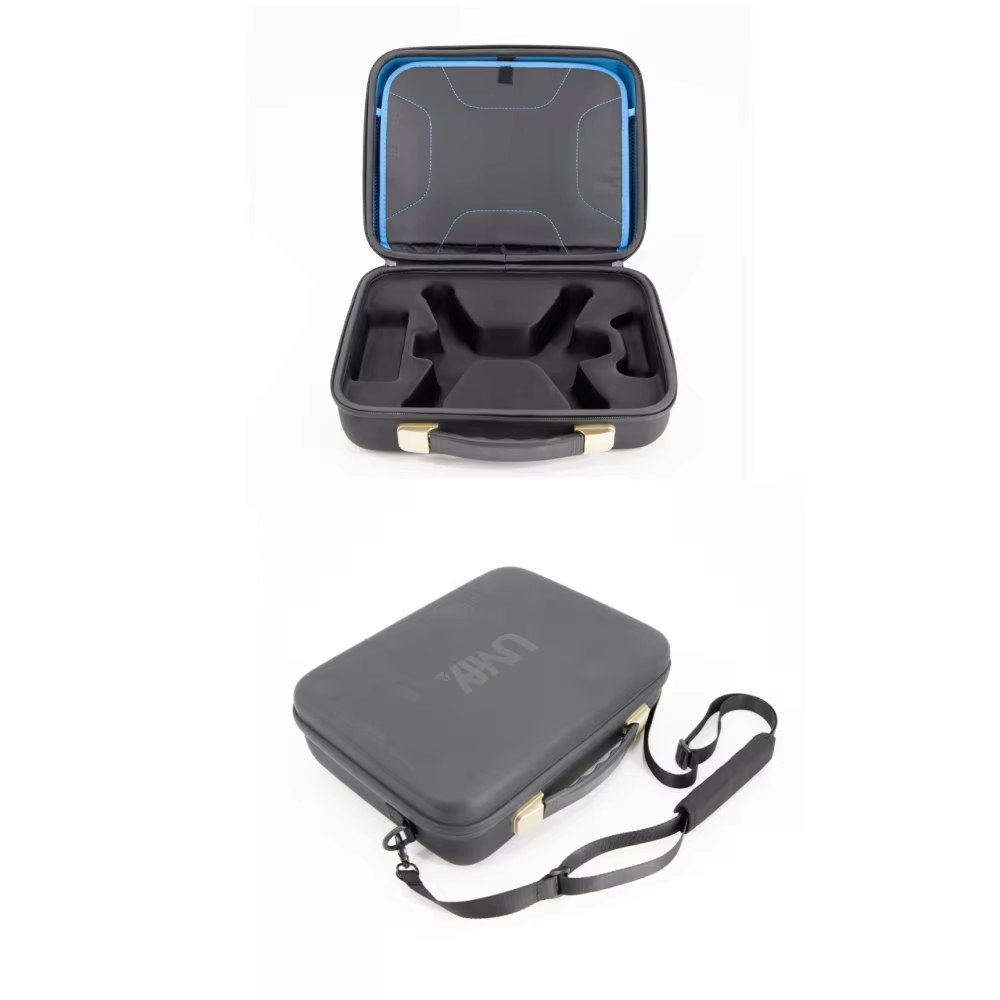
How EVA Foam Inserts Absorb Shock and Dissipate Impact Energy
The Physics of Impact: Why Dynamic Forces Cause Internal Component Stress
During shipping, products endure sudden drops, collisions, and vibrations—transient dynamic forces that transfer kinetic energy through packaging to internal components. Even when outer packaging remains intact, rapid acceleration and deceleration impose stress on sensitive parts. Components with differing masses or mechanical connections experience uneven force distribution, potentially leading to micro-fractures, solder joint failures, or alignment shifts. Electronics, precision instruments, and medical devices are especially vulnerable; damage often goes undetected until post-delivery failure.
Closed-Cell Structure and Viscoelastic Behavior: The Core Mechanism of EVA Foam Insert Protection
EVA (Ethylene-Vinyl Acetate) foam inserts mitigate impact damage through two synergistic material properties:
- Closed-cell structure: Millions of sealed air-filled cells compress under load, converting kinetic energy into heat via internal gas friction
- Viscoelastic behavior: Polymer chains gradually realign under stress, extending the duration of impact and reducing peak force transmission
This dual-action mechanism transforms abrupt shocks into controlled, low-amplitude energy dissipation. Unlike rigid foams, EVA retains resilience across extreme temperatures (–40°C to 70°C) and resists permanent deformation. Independent testing confirms custom-fit EVA inserts reduce impact forces by up to 70% compared to generic fillers like loose peanuts or bubble wrap.
| Protection Mechanism | Function | Benefit |
|---|---|---|
| Closed-Cell Compression | Gas displacement and friction | Converts kinetic energy into heat |
| Polymer Chain Movement | Molecular realignment over time | Distributes force across duration, lowering peak G-load |
| Shape Recovery | Elastic memory after compression | Enables reuse without performance loss |
How Custom-Fit EVA Foam Inserts Eliminate Harmful Internal Movement
Vibration, Micro-Movement, and Cumulative Fatigue Damage in Transit
Unsecured items shift during transit—even minutely—generating vibration-induced micro-movements that accumulate fatigue stress. Repetitive micro-impacts contribute to circuit board fractures, bearing wear, and connector degradation in precision equipment. Custom-fit EVA foam inserts eliminate this risk by conforming precisely to product geometry, immobilizing components at the point of contact. Its viscoelastic nature absorbs vibrational energy before it propagates inward. Per ISTA 2023 laboratory testing, properly fitted EVA inserts reduce damaging vibration amplitudes by up to 87% versus loose-pack alternatives—making them essential for electronics, optical systems, and life-critical medical devices.
Compression Set Resistance and Dimensional Stability: Ensuring Long-Term Fit Integrity
High-performance EVA foam sustains protective integrity across repeated shipping cycles thanks to two foundational properties:
| Property | Performance Impact | Industry Standard |
|---|---|---|
| Compression set resistance | Maintains original thickness and rebound after repeated compression | ≤10% permanent deformation (ASTM D395) |
| Dimensional stability | Resists thermal/hygroscopic expansion or shrinkage | ±0.5% size change (MIL-STD-810) |
Superior compression set resistance prevents “packing down” over time—ensuring consistent pressure and immobilization across thousands of shipments. Dimensional stability guarantees the insert retains its precise fit regardless of environmental fluctuations, preserving the zero-movement environment critical to preventing transit-related failures.
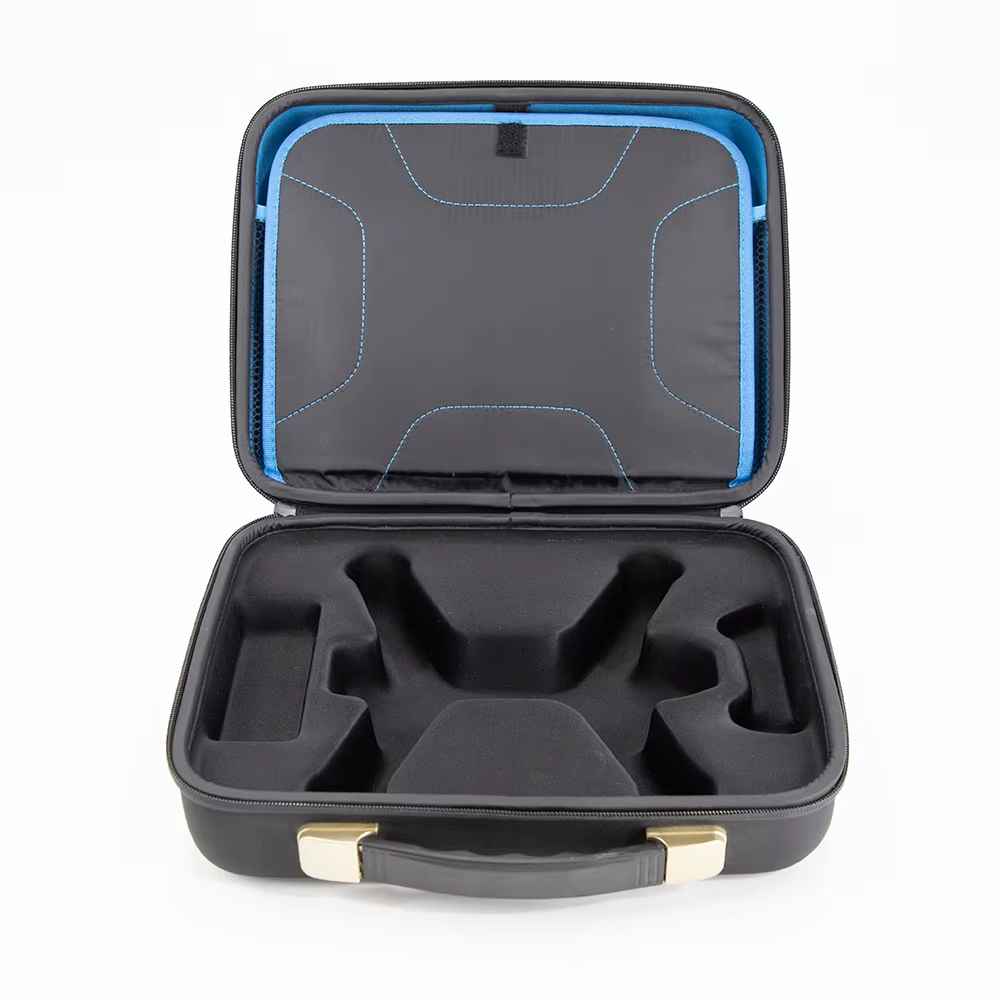
Proven Reduction in Shipping Damage and Freight Claims with EVA Foam Inserts
Real-World Impact: 38% Average Decline in Freight Claim Rates Following EVA Foam Insert Adoption (2020–2023)
Industry-wide data shows companies adopting custom EVA foam inserts reduced freight claims by an average of 38% between 2020 and 2023. This reduction stems directly from EVA’s ability to absorb high-impact shocks and dampen sustained vibration—addressing both acute and chronic transit hazards. Across sectors—from diagnostic imaging equipment to avionics assemblies—users report fewer stress fractures, solder cracks, and calibration drifts. Lower claim rates translate to reduced replacement costs, fewer customer disputes, and measurable gains in brand trust and logistics efficiency.
Optimizing Protection: Integrating EVA Foam Inserts into Layered Packaging Systems
For maximum protection, integrate EVA foam inserts into a tiered packaging strategy that addresses distinct threat vectors:
| Protection Layer | Function | Material Pairing |
|---|---|---|
| Primary Contact | Direct shock absorption and component immobilization | EVA foam core (custom-cut) |
| Secondary Buffer | Broad-spectrum vibration damping and energy dispersion | Corrugated cellulose or molded fiber |
| External Shield | Structural rigidity and puncture/impact resistance | Rigid polymer shell or reinforced corrugated box |
This layered approach mitigates hazards ranging from warehouse drop tests to long-haul trailer resonance. As the primary interface, the EVA insert delivers geometry-specific protection while resisting compression fatigue—reducing micro-movement damage by 72% compared to single-material solutions, according to packaging engineering benchmarks.
FAQ
What is EVA foam?
EVA (Ethylene-Vinyl Acetate) foam is a versatile material known for its closed-cell structure and viscoelastic properties, making it ideal for shock absorption and impact energy dissipation.
Why are EVA foam inserts better than generic fillers?
EVA foam inserts provide superior shock absorption, resistance to permanent deformation, and customized protection compared to fillers like bubble wrap or loose peanuts, which cannot match their durability and precision fit.
How do custom-fit EVA foam inserts prevent shipping damage?
Custom-fit EVA foam inserts immobilize components, absorb shocks, and dampen vibrations, reducing risks of micro-fractures and alignment issues during transit.
Can EVA foam inserts be reused?
Yes, due to its superior compression set resistance and elastic memory, EVA foam retains its shape and performance across multiple shipping cycles.
What tests validate the effectiveness of EVA foam inserts?
ISTA laboratory testing and industry standards like ASTM D395 and MIL-STD-810 confirm that EVA foam inserts reduce vibration and maintain dimensional stability, protecting sensitive equipment during repeated use.