EN
EN

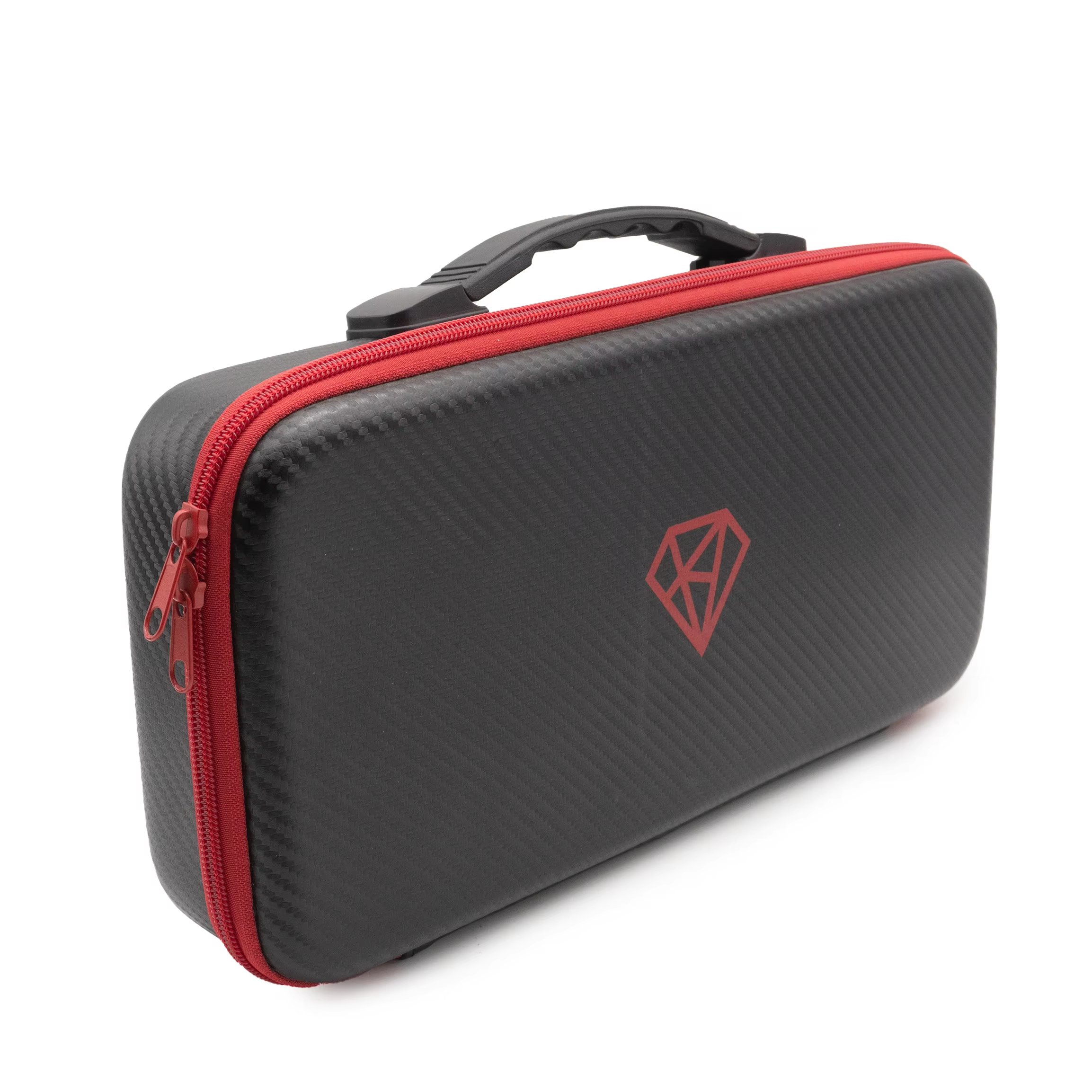
Why EVA Material Is the Ideal Canvas for Brand Expression
Tactile Consistency: How Density, Flexibility, and Surface Finish Reinforce Brand Perception
EVA’s precisely tunable physical properties make it a powerful medium for conveying brand identity through touch. Density—measured in kg/m³—directly shapes perception: a firm 100 kg/m³ formulation signals ruggedness for adventure gear, while a softer 65 kg/m³ version evokes luxury for high-end electronics. Surface finish amplifies this messaging—matte textures suggest premium minimalism; glossy coatings project energy and modernity. Flexibility further refines intent: rigid EVA ensures clinical precision for medical tools, whereas pliable variants gently cradle boutique cosmetics. This cohesive tactile language builds subconscious associations with quality. Research shows consistent material experiences increase brand trust by 29%, underscoring why EVA’s engineered physicality is unmatched for tangible brand expression.
Unboxing as Ritual: Structural Integrity and Interior Customization for Emotional Brand Recall
A flawless unboxing experience begins with structural integrity. Precision-molded EVA shells maintain exact alignment during opening—eliminating hinge wobble or lid misfit that undermines premium perception. Interior customization deepens emotional impact: laser-cut foam compartments position products like museum artifacts, while branded silkscreened liners or custom flocking introduce layers of surprise. These details shape memory—the velvet-lined cavity of a jewelry case doesn’t just protect; it elevates the purchase into a moment of significance. With unboxing videos generating three times more engagement than standard product content, these engineered interiors act as silent brand ambassadors. Even the satisfying click of a perfectly tensioned closure is intentional—a convergence of material science and brand psychology.
Exterior Branding on Custom EVA Cases: Color, Logo, and Finish Strategy
Color Psychology and Pantone Matching for Emotional Resonance
Color transforms functional protection into emotional storytelling. Blue conveys trust for medical devices; vibrant orange signals vitality for outdoor gear. Pantone-matched EVA ensures chromatic fidelity across all brand touchpoints—preventing dilution from inconsistent hues. A 2023 packaging study found 78% of consumers associate accurate color reproduction with perceived product quality. Beyond emotion, color supports function: high-contrast interiors improve tool visibility and reduce retrieval time.
Precision Logo Application: Debossing, Foil Stamping, and UV Printing on EVA Surfaces
How a logo lands on EVA surface communicates brand values at first glance. Debossing delivers enduring sophistication through recessed impressions—ideal for luxury instruments where subtlety signifies confidence. Foil stamping adds reflective brilliance without compromising EVA’s inherent water resistance. For intricate visuals, UV printing achieves photorealistic fidelity while preserving flexibility. Each method demands specific engineering considerations: debossing requires 0.8–1.2 mm depth tolerances; UV inks adhere best to lightly textured EVA surfaces.
Finishes That Differentiate: Matte, Gloss, Soft-Touch, and Textured Coatings
Surface treatment dictates interaction and impression. Matte finishes suppress fingerprints on professional equipment cases, projecting quiet confidence. High-gloss coatings deepen color saturation and boost shelf visibility—visual marketing data shows they increase display impact by 40%. Soft-touch textures invite handling for consumer electronics, reinforcing approachability. Diamond-textured EVA enhances grip in industrial settings while concealing wear better than smooth alternatives—proving aesthetics and durability need not compete.
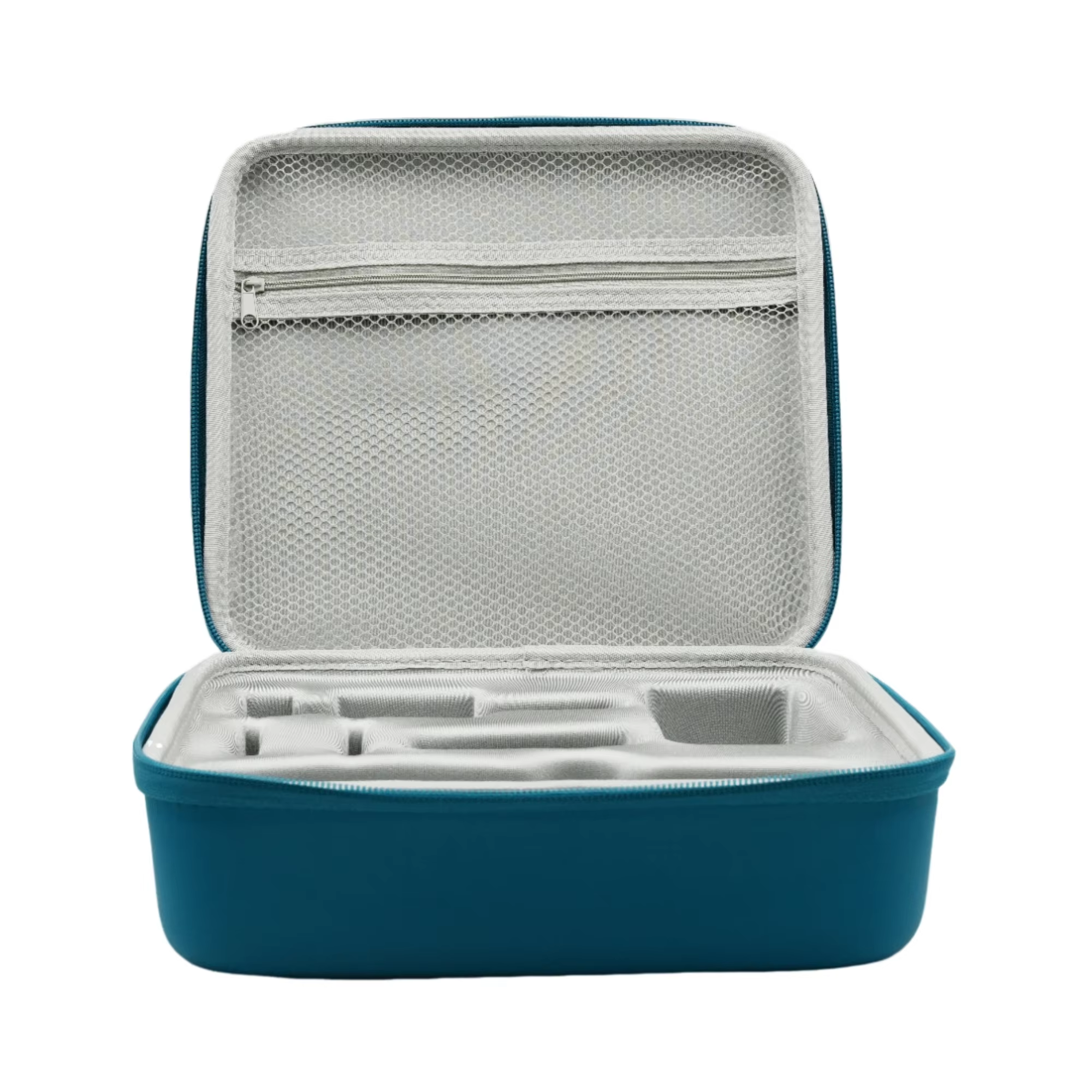
Strategic Shape, Pattern, and Functional Design in Custom EVA Cases
Beyond Standard Silhouettes: Ergonomic and Iconic Shapes as Visual Extensions of Brand Personality
EVA’s moldability enables forms that go beyond containment to embody brand ethos. An athletic brand might use aerodynamic contours for eyewear cases, mirroring motion and speed; a luxury tech label could adopt tapered edges that echo its device design language. These shapes aren’t merely distinctive—they optimize grip, portability, and tactile alignment with brand narrative. Because ethylene-vinyl acetate foam holds precise curves under heat and pressure, protection becomes performative—turning every interaction into branded theater.
Subtle Brand Motifs: Embossed Elements, Repeat Patterns, and Integrated Graphics
Discreet motifs embed brand DNA without overt signage. A minimalist audio brand may integrate soundwave textures into interior liners; an outdoor gear company could emboss topographic maps onto exteriors. These tactile cues operate below conscious awareness—yet research indicates tactile branding increases recall by 30% versus visual-only cues (Haptic Research, 2023). When synchronized with unboxing rituals, such patterns reinforce identity through repetition, turning passive contact into active recognition.
Engineering Decisions That Communicate Brand Positioning Through Custom EVA Cases
Engineering choices—from wall thickness and foam density to closure mechanisms and hardware—are deliberate expressions of brand positioning. A premium brand emphasizing refined utility might specify 8 mm walls with medium-density foam (140–180 kg/m³) and brushed-metal clasps, balancing elegance with assurance. An adventure-focused line would prioritize 12 mm high-density foam (300+ kg/m³), reinforced corners, and IP67-rated seals—making rugged reliability visible before the case is even opened. Even micro-decisions communicate intention: consistent zipper tension signals rigorous quality control; precision-molded hinges eliminate play; angled handle attachments reduce wrist strain, reflecting user-centric design philosophy. By aligning material science with brand psychology, manufacturers transform protective cases into tactile manifestos—where foam cell structure, tear-resistant fabric backing, and stress-point reinforcement each fulfill an unspoken promise.