 EN
EN

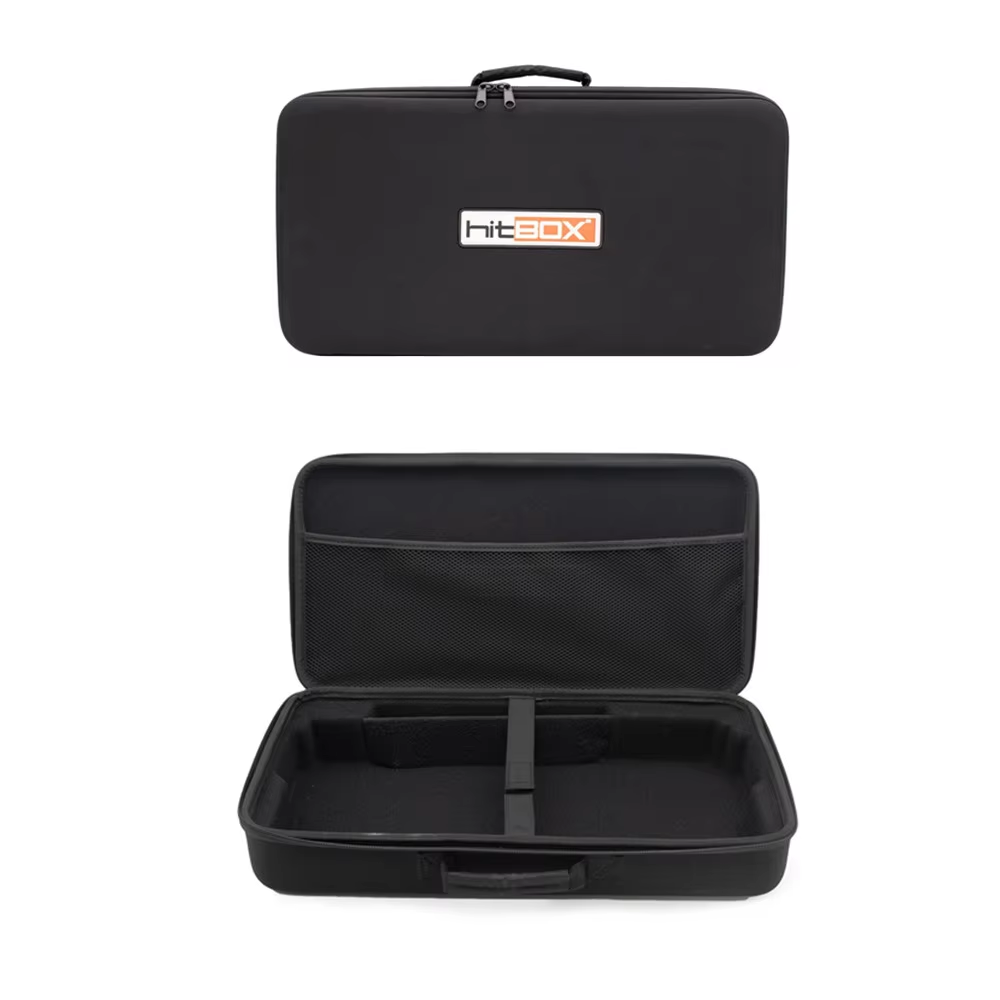
Sustainability Drivers Reshaping EVA Packaging Design
Circular Economy Integration and Mono-Material EVA Film Development
The shift toward circular economy models is accelerating the development of mono-material EVA (Ethylene Vinyl Acetate) films that simplify recycling and reduce material complexity. Unlike multi-layer laminates—difficult to separate and often landfilled—fully recyclable EVA films can be reprocessed into new packaging products, cutting plastic waste by an estimated 15–25% compared to conventional mixed-material structures (Industry analysis, 2023). This design philosophy aligns with growing consumer demand for sustainable packaging: EVA is non-toxic, lightweight, and free from chlorine, phthalates, and other harmful additives. A notable application is in custom EVA case manufacturing, where thermoformed mono-material films deliver impact resistance and clarity while remaining fully recyclable at end-of-life. By eliminating adhesives and non-EVA layers, these designs yield higher-quality recyclate—supporting closed-loop systems and enhancing supply chain resilience. Life-cycle assessments further confirm that EVA’s moldability minimizes production scrap, and its reusability in secondary applications extends utility well beyond single-use paradigms.
Regulatory Pressures and Environmental Impact Assessments of EVA
Regulatory frameworks—including the EU’s Packaging and Packaging Waste Directive—are increasingly mandating comprehensive environmental impact assessments, positioning EVA as a lower-footprint alternative. Compared to rigid PVC, EVA packaging generates roughly 20% less CO₂ per ton during production and reduces transportation emissions by an average of 12% due to its lightweight nature (2022 logistics study). Its absence of chlorine and phthalates supports safer energy recovery and lowers hazardous substance content across its life cycle. In response, manufacturers are proactively adopting EVA to meet extended producer responsibility (EPR) requirements and avoid eco-taxes. Industrial closed-loop programs report EVA recyclability rates exceeding 80%, facilitating compliance with tightening regulations. Environmental product declarations (EPDs) for EVA-based packaging now routinely demonstrate reduced freshwater ecotoxicity and abiotic depletion—key metrics for corporate sustainability reporting. These regulatory pressures are not merely constraints; they’re catalysts for innovation, driving broader adoption of EVA in high-value, performance-critical packaging segments.
Performance Innovation: Enhancing EVA Film Functionality for Demanding Applications
Barrier Property Enhancements in EVA-Based Food Packaging Films
Effective barrier properties are critical for extending shelf life and preserving freshness in food packaging. Recent innovations disperse nanofillers—such as graphene or organoclays—into EVA film matrices to create tortuous pathways that impede oxygen and moisture transmission. These exfoliated platelets deliver a 40–60% improvement in oxygen barrier over neat EVA (2023 industry benchmarks), enabling mono-material structures that retain clarity, heat-sealability, and full compliance with food safety standards. Multilayer coextrusion techniques further allow precise integration of functional barrier layers without compromising EVA’s inherent flexibility or puncture resistance. The result is a new generation of lightweight, recyclable EVA films that match or exceed the protective performance of traditional multi-material laminates—advancing sustainability without sacrificing functionality.
LDPE/EVA Polymer Blend Formulations for Flexible Packaging and EVA Case Durability
Blending EVA with low-density polyethylene (LDPE) optimizes the polymer network to balance flexibility, toughness, and processability. In flexible packaging, LDPE contributes cost efficiency and melt flow, while EVA’s polar vinyl acetate groups enhance adhesion and seal integrity. For protective packaging, similar blend principles underpin durable EVA cases: controlled foaming, crosslinking agents, and energy-absorbing additives produce resilient foam capable of withstanding repeated impacts and compressive loads. This shock-absorbing capacity makes custom EVA cases ideal for sensitive electronics, medical devices, and industrial tools—where material resilience and light weight collectively reduce freight costs and lower product damage rates. The synergy of formulation science and precision manufacturing yields long-lasting, application-specific protection that maintains performance across extended use cycles.
E-Commerce Expansion Fueling Demand for Protective EVA Packaging Solutions
Impact of Online Retail on EVA Foam Cushioning, Shock Absorption, and Custom EVA Case Design
The explosive growth of online retail has redefined packaging expectations—demanding materials that reliably protect products through complex, multi-touch logistics networks. As billions of parcels endure rough handling, stacking pressure, and vibration, high-performance cushioning solutions have become indispensable. EVA foam stands out for its exceptional shock absorption, resilience, and lightweight nature. Unlike rigid alternatives, it effectively dissipates impact energy—safeguarding fragile electronics, precision instruments, and luxury goods. This has accelerated demand for custom EVA case design, where precisely cut foam cradles each product’s unique contours, preventing movement, abrasion, and damage. By combining engineered cushioning with tailored fit, these cases reduce breakage and return costs while elevating the unboxing experience—a decisive factor in building brand loyalty in competitive e-commerce environments.
Market Positioning: EVA vs. Alternative Materials in High-Value Packaging Segments
The strategic value of EVA in high-value packaging lies in its balanced performance profile—not dominance in any single metric, but excellence across multiple dimensions: shock absorption, weight, cost, and processability. While rigid plastics offer superior structural strength, they lack the energy-dissipating flexibility essential for premium protective applications—where EVA consistently lowers transit damage rates. In solar energy, EVA remains the dominant encapsulant, holding a 55.35% revenue share in 2025 due to its proven adhesion, UV stability, and cost-effectiveness in high-volume lamination. Yet its susceptibility to moisture-induced potential-induced degradation is prompting selective adoption of polyolefin elastomers in advanced module designs—highlighting EVA’s role as a versatile, high-value middle ground rather than a universal replacement. In luxury packaging, for example, a leading brand may choose EVA over heavier, more expensive thermoplastic polyurethane for an insert tray—achieving sufficient durability and premium tactile quality without added weight or cost. Its ability to be precisely molded into custom protective cases—combined with inherent flexibility and impact resistance—secures EVA’s position where failure carries high financial or reputational risk, such as in electronics or medical device packaging.
FAQ
1. What makes EVA packaging more sustainable than traditional materials?
EVA packaging is fully recyclable, non-toxic, and free from harmful additives such as chlorine and phthalates. Its mono-material structure simplifies recycling processes, reduces waste, and supports closed-loop systems.
2. How is EVA used in e-commerce packaging?
EVA foam is commonly used for cushioning and shock absorption in product packaging. Custom EVA cases securely cradle products, reducing damage during transit and improving consumer unboxing experiences.
3. What industries benefit the most from EVA packaging solutions?
Industries like electronics, medical devices, luxury goods, and solar energy benefit from EVA’s versatility, impact resistance, and lightweight nature—ideal for protective and high-value applications.
4. How does EVA compare to rigid plastics in packaging applications?
EVA offers superior flexibility, shock absorption, and recyclability, making it better suited for protective packaging. However, rigid plastics may be preferred in applications requiring higher structural strength.
5. Can EVA packaging comply with current environmental regulations?
Yes, EVA packaging is designed to meet extended producer responsibility (EPR) requirements, avoid eco-taxes, and exceed recycling rates of 80% in industrial closed-loop systems.
