 EN
EN

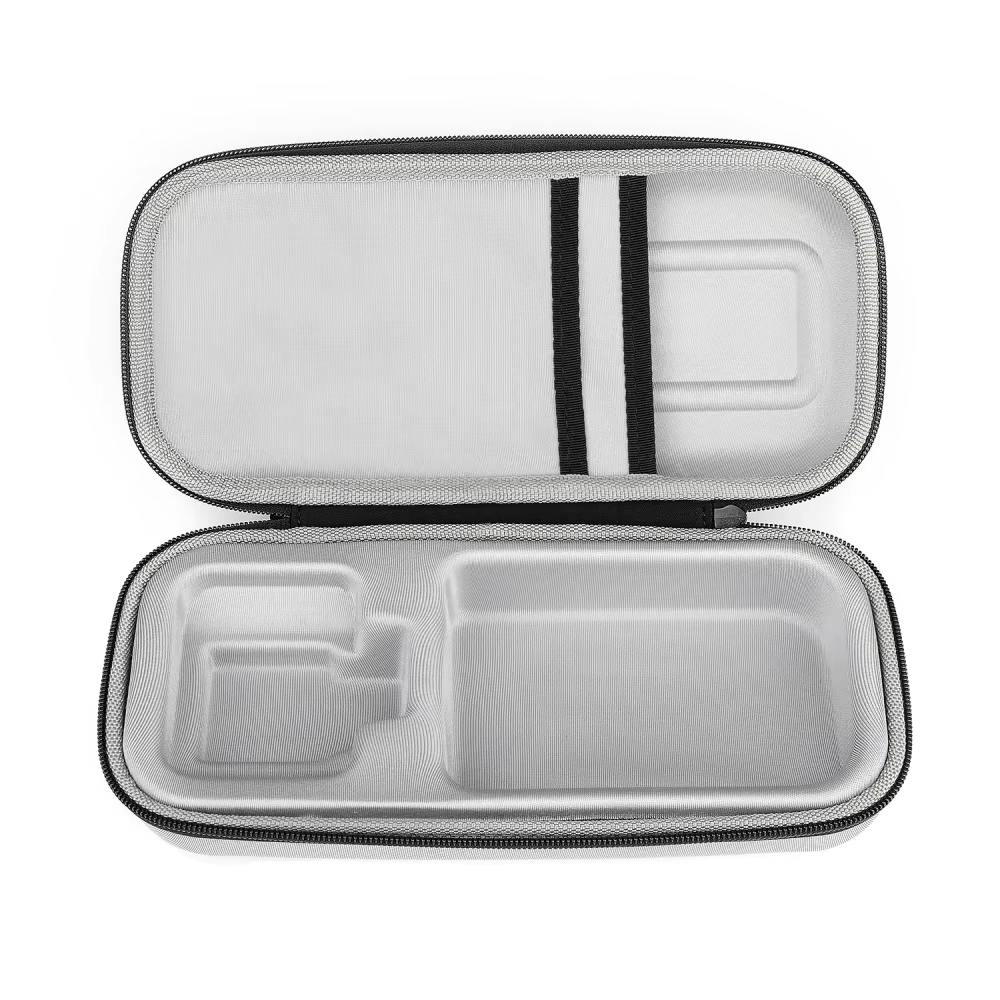
Why EVA Material Delivers Unmatched Durability for EVA Bags
Impact Absorption and Structural Resilience in Real-World Use
EVA (ethylene-vinyl acetate) foam’s closed-cell structure gives it exceptional shock absorption—compressing on impact and rebounding fully to dissipate energy before it reaches contents. This inherent elasticity allows EVA bags to withstand repeated bending, folding, and drops without cracking or permanent deformation—unlike rigid plastics that risk brittle failure. High-density EVA maintains consistent cushioning thickness even after years of compression from packed items, ensuring long-term protective performance. In practice, this means reliable safeguarding for electronics, cosmetics, tools, and other sensitive gear against accidental drops, transit pressure, and baggage-handling stress. Crucially, EVA endures thousands of flex cycles without fatigue fractures, preserving structural integrity far longer than most fabric-based alternatives—delivering multi-year service life rather than seasonal replacement.
Moisture, UV, and Chemical Resistance: Extending Lifespan Beyond Conventional Fabrics
EVA’s non-porous surface inherently repels water, keeping contents dry in rain or humidity while preventing moisture absorption that could foster mold or mildew. When formulated with UV stabilizers—per ASTM D4329 standards—EVA resists fading, embrittlement, and elasticity loss under prolonged sun exposure, outperforming nylon and polyester in outdoor applications like beach or travel bags. It also demonstrates broad chemical tolerance, including resistance to skin oils, mild acids, and common solvents—making it ideal for cosmetic pouches and toiletry cases where spills are routine. Unlike fabric linings prone to staining, delamination, or corrosion, EVA cleans easily with a damp cloth and retains its integrity and appearance. These combined environmental resistances significantly extend functional lifespan and visual appeal in demanding conditions.
How EVA Bags Achieve High-End Style Without Sacrificing Function
Lamination, Textures, and Color Integration for Premium Aesthetic Expression
EVA bags transcend the limitations of traditional fabric through advanced surface engineering. Lamination bonds premium materials—including soft velvet, abrasion-resistant nylon, and structured Oxford cloth—directly onto the closed-cell foam core, delivering luxury tactility without compromising waterproofing or impact protection. Surface finishes span high-gloss transparency for modern visibility, frosted matte for sophisticated scratch resistance, and precision embossed 3D patterns that mimic leather grain or carbon fiber. Because color is integrated at the molecular level during thermoforming (per ISO 105-B02 lightfastness testing), pigments become part of the material—not a surface coating—eliminating peeling or fading. The table below illustrates how finish choices elevate both aesthetic distinction and functional performance.
| Finish Type | Aesthetic Impact | Functional Advantage |
|---|---|---|
| High-gloss transparent | Modern, see-through look; enables quick content identification | Easy to clean, fully waterproof |
| Frosted matte | Soft, refined appearance; conceals fine scratches | Fingerprints-resistant, enhanced durability |
| Fabric-laminated (velvet/nylon) | Warm, luxurious texture; evokes high-end textile craftsmanship | Adds inner scratch protection and improves grip |
| Embossed 3D texture | Rich, tactile depth; replicates leather or technical surfaces | Increases structural rigidity and masks wear |
These techniques enable EVA bags to deliver designer-level visual sophistication while remaining lightweight, weather-ready, and low-maintenance.
Style Versatility Across Segments: From Cosmetic Pouches to Designer EVA Bags
The same precision thermoforming process used for large-capacity totes also produces sleek cosmetic cases and elevated handbags—proving EVA’s scalability across price points and use cases. Transparent EVA pouches satisfy both minimalist aesthetics and TSA-compliant functionality, while beach totes leverage saltwater- and sand-resistant properties without sacrificing polish. In premium segments, molded 3D contours and integrated hardware channels allow designers to achieve structured silhouettes rivaling leather goods—complete with custom-fit laptop compartments or rigid sunglasses cases—all within a unified, high-fashion exterior. Sustainability advances further broaden appeal: many manufacturers now use certified recycled EVA (e.g., from post-industrial waste streams) or bio-based formulations, offering eco-conscious consumers crisp, modern design without compromise. Whether neon weekender or monochrome clutch, EVA proves style and function are not opposing forces—but interdependent elements of intelligent design.
Smart Customization: Branding and Shape Innovation in EVA Bags
Precision Embossing, Seamless Logos, and Structural Molding Without Weak Points
Branding becomes an intrinsic part of the product through precision embossing: logos are pressed directly into the EVA shell during thermoforming, creating durable debossed or raised 3D features that resist wear, fading, or peeling—unlike screen-printed or heat-transferred graphics. This same molding process enables seamless structural innovation: ergonomic handles, ventilation channels, device-specific contours (e.g., for laptops with active cooling), and integrated hardware mounts are formed as one continuous piece. Because the entire shell is shaped under uniform heat and pressure, wall thickness remains consistent—eliminating thin spots or stress concentrations that commonly lead to cracking in conventionally assembled bags. The result is branding and functionality fused at the material level: high-end visual impact paired with uncompromised durability.
Commercial Applications Where EVA Bags Excel at Balancing Durability and Style
An EVA bag bridges the gap between rugged protection and refined aesthetics, making it a top choice across industries where both qualities matter. The table below highlights how these benefits come to life in real-world use.
| Industry | Application | Durability Advantage | Style Advantage |
|---|---|---|---|
| Retail | Reusable shopping bags | Waterproof, tear‑resistant build endures daily wear and tear | Sleek silhouettes and vivid color options reinforce brand identity |
| Cosmetics | Makeup pouches and travel kits | Soft yet sturdy shell shields delicate items from impacts | Glossy textures and clean, modern lines complement personal care routines |
| Travel | Toiletry organizers and accessory cases | Molded compartments protect contents from compression and moisture | Streamlined profiles with integrated handles merge fashion with portability |
| Food & Cooler | Insulated lunch bags | Leak‑proof and easy to sanitize, keeping contents fresh | Vibrant, wipeable surfaces maintain a polished look after repeated use |
| Healthcare | Sterile pouch packaging | Dust‑proof and impact‑resistant, safeguarding sensitive tools | Professional, minimal appearance fits clinical environments |
| Promotions | Custom giveaway bags | Lightweight but resilient, standing up to repeated handling | High‑precision embossing and full‑color logos deliver standout visual impact |
From beach totes to medical pouches, EVA bags demonstrate that no trade‑off is required between toughness and design.
FAQ Section
What is EVA material?
EVA, or ethylene-vinyl acetate, is a foam material with a closed-cell structure that offers exceptional durability, shock absorption, and resistance to environmental factors.
Why are EVA bags more durable than fabric bags?
EVA bags resist moisture, UV damage, and chemical exposure, while their flexible structure prevents cracking or deformation even after repeated use.
Can EVA bags be used outdoors?
Yes, EVA bags are excellent for outdoor use due to their UV resistance, waterproof properties, and durability in weather conditions.
How can EVA bags support branding?
EVA bags can feature seamless logos molded directly into their surface during manufacturing, offering a high-end, durable branding option.
Are EVA bags eco-friendly?
Many EVA bags utilize recycled or bio-based EVA materials, making them a sustainable choice for environmentally-conscious consumers.
