 EN
EN

The Science Behind EVA Cushion Shock Absorption and Impact Protection
Closed-Cell Structure and Energy Dissipation Mechanics
An EVA cushion’s safety performance begins with its closed-cell foam architecture: each cell is a gas-filled pocket sealed from its neighbors, forming a lightweight yet resilient matrix. Under impact, these cells collapse progressively—converting kinetic energy into heat and controlled deformation rather than transmitting force directly to the protected object or body. This viscoelastic damping broadens the impact pulse and reduces peak deceleration. The material’s inherent elasticity enables slow, partial recovery after compression, minimizing secondary rebound shocks. Because the cells are closed, EVA resists moisture absorption and contamination, preserving consistent shock absorption across humidity levels and temperature ranges—from freezing conditions to summer heat.
Testing Standards: Compression Set, ILD, and ASTM F1492 Drop-Test Validation
Standardized testing validates EVA’s protective performance. Compression set (ASTM D395) quantifies long-term resilience by measuring thickness recovery after sustained compression—a low value confirms reliable performance over time. ILD (Indentation Load Deflection), per ASTM D3574, defines firmness by recording the force required to compress a foam sample to a specified percentage—enabling precise matching of cushion stiffness to anticipated impact energies. For dynamic validation, ASTM F1492—the industry-standard drop-test method for helmets and protective equipment—measures peak headform acceleration during controlled impacts. Passing this test verifies that a given EVA formulation limits transmitted g-force to safe thresholds. Together, these metrics ensure repeatable, field-ready safety performance before deployment.
EVA Cushion in Human-Centric Safety Products: Helmets, Pads, and Play Surfaces
Compliance with CPSC and ASTM Guidelines for Youth Protective Gear
EVA cushioning meets stringent regulatory requirements for children’s safety products. Its closed-cell composition contains no BPA, phthalates, or heavy metals—automatically aligning with CPSC (Consumer Product Safety Commission) standards for youth gear. In helmets, shin guards, and knee pads, EVA serves as the primary impact absorber and consistently passes ASTM F1492 (skateboard helmets) and F1447 (bicycle helmets). Its stable response under repeated impact ensures certified protection remains intact throughout the product’s service life. Similarly, EVA play mats and soft play surfaces comply with ASTM F963 for toy safety—providing non-toxic, high-energy-absorption cushioning that significantly lowers head injury risk from common falls. This dual compliance—across wearable protection and play environments—makes EVA the preferred choice for manufacturers balancing child safety, durability, and comfort.
Achieving Safe Impact Thresholds (<60 g-force) with Optimized EVA Density and Thickness
Maintaining transmitted g-force below 60 g is critical for preventing concussions and mild traumatic brain injuries. EVA achieves this through intentional tuning of density and thickness. Medium-density EVA (30–50 Shore A) offers an optimal balance: stiff enough to resist bottoming out during high-energy impacts, yet compliant enough to attenuate force gradually. A 2023 study of youth football helmet liners demonstrated that a 15 mm thick EVA pad with a density of 45 kg/m³ reduced peak linear acceleration to 48 g during a 2 m/s impact. Designers further refine performance through strategic layering—using softer, thicker EVA in playground surfacing to manage low-speed falls, and combining multiple densities in helmet liners to address both low- and high-velocity collisions. This targeted optimization meets safety standards while preserving lightweight ergonomics—supporting consistent use among young athletes and children.
EVA Cushion as High-Performance Protective Packaging for Sensitive Goods
Replacing EPS in Electronics and Medical Devices: Vibration Damping and Custom Fit Advantages
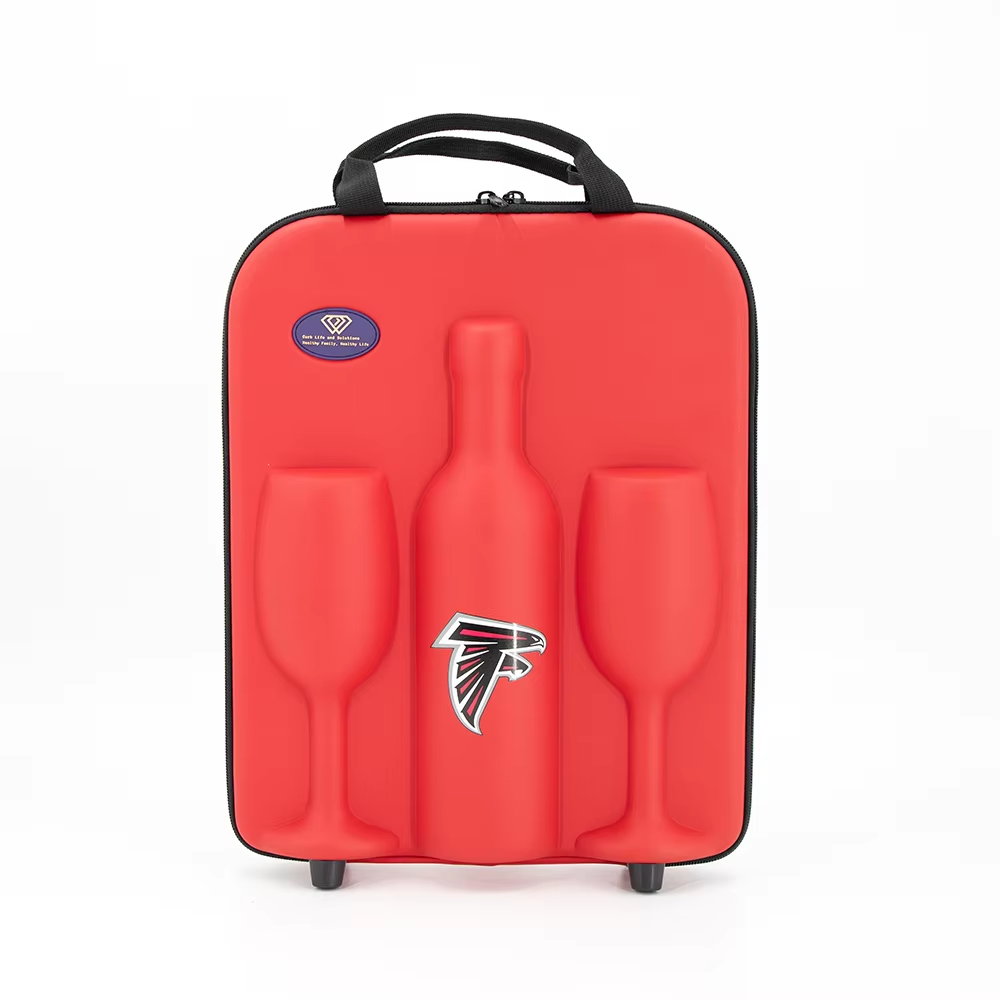
EVA cushioning is rapidly displacing expanded polystyrene (EPS) in protective packaging for electronics and medical devices. Its closed-cell structure provides superior vibration damping across a broader frequency range than brittle EPS—reducing the risk of micro-fractures on circuit boards or sensor misalignment during transit. CNC-milled or laser-cut custom EVA inserts cradle components with precision, eliminating internal movement that can cause impact damage. Unlike EPS, EVA is non-abrasive and moisture-resistant—preventing corrosion on metal contacts and safeguarding sensitive optics or electrodes. Its flexibility also supports thinner, lighter packaging designs that still meet ISTA 3A drop-test requirements, lowering shipping weight and cost without compromising protection. Critically, optimized EVA configurations maintain a <60 g-force threshold even for delicate diagnostic instruments and implantable device carriers.
Long-Term Reliability of EVA Cushion: Durability, Environmental Stability, and Safety Trade-Offs
UV Degradation, Plasticizer Migration, and Material Certification (e.g., EN71-3, REACH)
Long-term reliability depends on mitigating environmental aging mechanisms. Prolonged UV exposure can embrittle untreated EVA and reduce shock absorption—but incorporating UV stabilizers during compounding extends functional life by up to 300% in outdoor applications. Plasticizer migration, particularly in flexible grades, may cause gradual stiffening over time, diminishing energy dissipation. To guarantee safety and performance over years of use, certified EVA formulations undergo rigorous chemical screening. EN71-3 (migration of hazardous elements) and EU REACH regulations verify that no harmful substances—including lead, cadmium, or restricted phthalates—are released—even as the material ages or experiences thermal cycling. These certifications confirm not only initial safety but ongoing chemical stability, ensuring user and environmental protection across the product lifecycle. Selecting EVA grades validated against these standards delivers a durable, trustworthy cushioning solution where longevity and human safety must coexist.
Frequently Asked Questions (FAQ)
What is EVA cushioning?
EVA (ethylene vinyl acetate) cushioning is a type of closed-cell foam used for shock absorption, impact protection, and energy dissipation in various products, including safety gear, packaging, and play surfaces.
Why is EVA preferred for safety gear?
EVA is preferred for safety gear because of its ability to reduce peak deceleration, resist moisture and contaminants, and comply with stringent regulatory standards such as CPSC and ASTM guidelines.
How does EVA perform in impact protection?
EVA cushions absorb and dissipate energy during impact by collapsing its closed-cell structure, converting kinetic energy into heat and controlled deformation to minimize transmitted g-force.
What tests verify EVA's safety and reliability?
Standardized tests such as ASTM D395 (compression set), ASTM D3574 (ILD), and ASTM F1492 (drop-test validation) verify EVA's protective performance, resilience, and field readiness.
Can EVA replace EPS in protective packaging?
Yes, EVA is increasingly replacing expanded polystyrene (EPS) due to its superior vibration damping, custom fit capabilities, moisture resistance, and ability to meet ISTA drop-test requirements.
What certifications ensure EVA's safety?
Certifications like EN71-3 and EU REACH confirm that EVA formulations are free from harmful substances and maintain chemical stability across their lifecycle.
Table of Contents
- The Science Behind EVA Cushion Shock Absorption and Impact Protection
- EVA Cushion in Human-Centric Safety Products: Helmets, Pads, and Play Surfaces
- EVA Cushion as High-Performance Protective Packaging for Sensitive Goods
-
Long-Term Reliability of EVA Cushion: Durability, Environmental Stability, and Safety Trade-Offs
- UV Degradation, Plasticizer Migration, and Material Certification (e.g., EN71-3, REACH)
- Frequently Asked Questions (FAQ)
- What is EVA cushioning?
- Why is EVA preferred for safety gear?
- How does EVA perform in impact protection?
- What tests verify EVA's safety and reliability?
- Can EVA replace EPS in protective packaging?
- What certifications ensure EVA's safety?
