 EN
EN

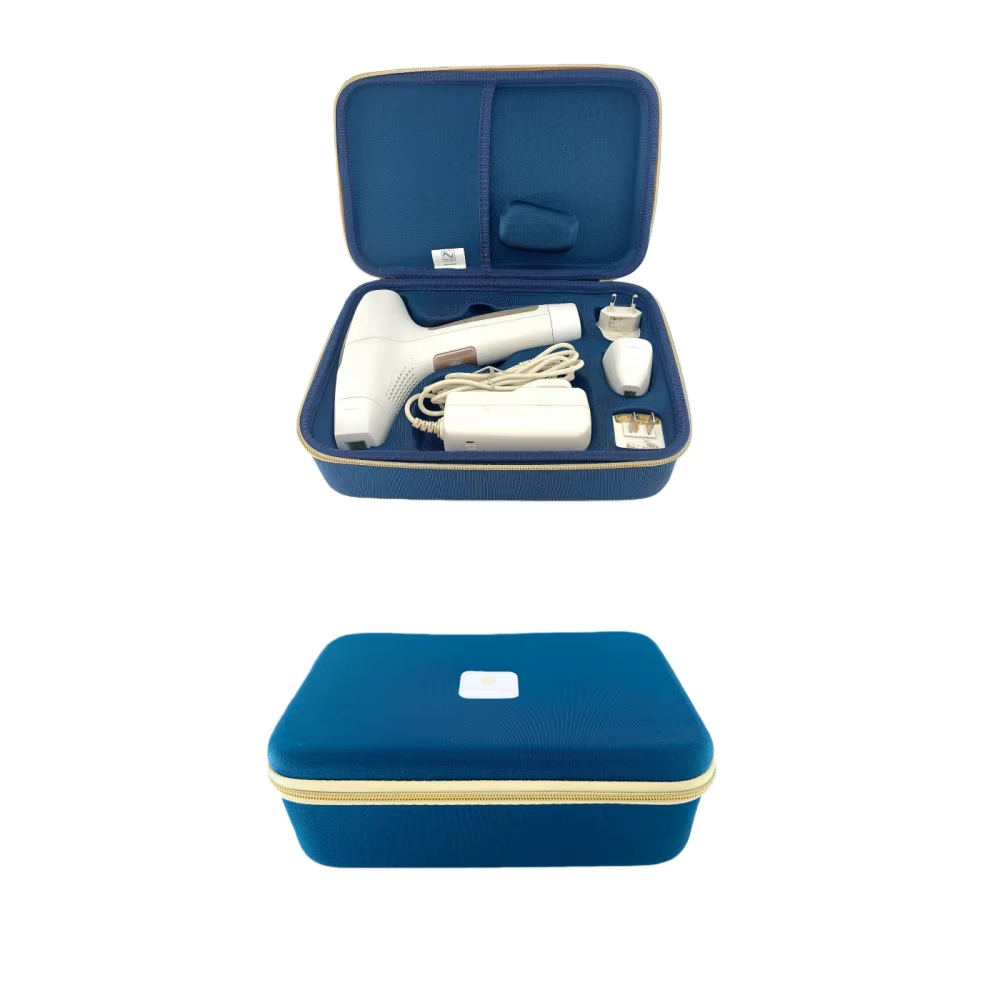
Medical Device Packaging: Precision Protection and Regulatory Alignment
Why EVA Meets Critical ISO 11607 and FDA Requirements for Sterile Barrier Systems
Medical device packaging demands materials that both cushion delicate instruments and maintain sterility across validation, shipping, and storage. Ethylene-vinyl acetate (EVA) excels as a sterile barrier material due to its closed-cell structure—which resists moisture, microbial ingress, and particulate shedding—along with proven chemical inertness under ISO 10993. Its predictable compression set supports consistent seal integrity during package validation per 21 CFR 820.130. Crucially, EVA maintains barrier performance through ethylene oxide (EtO), gamma, and electron beam sterilization—directly enabling compliance with ISO 11607 and FDA 21 CFR 880.6860. Because EVA is well-characterized and widely documented in regulatory submissions, medical OEMs benefit from streamlined approvals and reduced risk of non-conformances.
Real-World Impact: Reduced Transit Damage and Enhanced Shelf-Life in Orthopedic and Diagnostic Devices
Orthopedic implants and diagnostic kits face high risks from transit shock and vibration—damage that can compromise precision components or sensor functionality. Field data shows replacing conventional polyurethane foam with EVA reduced visible transit damage by 38% in spinal implant trays (2023 industry benchmark), extending shelf-life from 18 to 24 months. EVA’s uniform cell structure absorbs repeated impacts without permanent deformation, while its low outgassing prevents fogging on optical sensors. Its chemical resistance also eliminates plasticizer leaching—a known cause of sterility failure in long-term storage. Manufacturers report a 22% drop in packaging-related quality complaints after switching to EVA, lowering recall exposure and reinforcing brand trust in regulated markets.
Pharmaceutical Packaging: Safeguarding Biologics and Unit-Dose Integrity
While medical device packaging prioritizes sterility and mechanical protection, pharmaceutical packaging for biologics imposes stricter requirements: maintaining molecular integrity against moisture, oxygen, light, and temperature shifts throughout the supply chain. Even minor barrier breaches can degrade potency or introduce contamination—making primary packaging materials non-negotiable in their chemical non-reactivity, physical durability, and ability to preserve sterility over the full shelf life.
Unit-dose formats—including blister packs for oral solids and select biologics—have become the gold standard. Each dose remains individually sealed, preventing cross-contamination and enabling clear traceability via batch numbers and expiration dates. Tamper-evident features and calendar-based adherence aids further reduce medication errors in outpatient and clinical-trial settings. For vials and pre-filled syringes, the same principles apply: packaging must deliver absolute microbial protection while surviving distribution stresses. Advanced sealing techniques and ICH-compliant stability testing verify that every unit retains integrity until point-of-use.
Electronics Packaging: Static Control and Micro-Impact Protection for Sensitive Components
Electrostatic discharge (ESD) remains a critical vulnerability for semiconductors, microchips, and other high-value electronics—costing leading manufacturers an average of $740k annually in field failures (Ponemon Institute, 2023). EVA foam addresses this dual challenge: its inherent static-dissipative properties prevent charge accumulation, while its closed-cell resilience provides micro-impact absorption against vibration and shock. This combination makes EVA especially valuable for industrial automation, IoT, and AI hardware—where both electrical integrity and mechanical reliability are mission-critical. Customizable density allows precise cushioning calibration, ensuring sensitive components arrive fully functional despite complex logistics—reducing losses and supporting downstream medical device packaging operations that rely on these components.
Premium Food & Beverage Packaging: Sustainable Cushioning with Freshness Retention
In the premium food and beverage sector, packaging must protect product quality and reflect brand values—particularly sustainability. EVA foam delivers both: its closed-cell structure acts as an effective moisture and vapor barrier, helping preserve freshness and inhibit mold or bacterial growth in high-value items like artisan cheeses, bottled oils, and gourmet chocolates. Its superior shock absorption also minimizes breakage of fragile glass containers and delicate pastries—cutting waste and improving yield. Importantly, EVA can be formulated with recycled content without sacrificing performance, aligning with evolving consumer expectations and corporate ESG goals. By integrating protective cushioning, barrier function, and sustainable sourcing, EVA enables food and beverage brands to extend shelf life and reduce environmental impact—achieving a balance previously unattainable with traditional foams.
FAQ Section
What makes EVA an ideal material for medical device packaging?
EVA’s closed-cell structure prevents microbial ingress and particle shedding, while remaining chemically inert under ISO 10993. It maintains its sterile barrier integrity through various sterilization processes, ensuring compliance with ISO 11607 and FDA requirements.
How does EVA reduce transit damage for medical devices?
EVA’s uniform cell structure absorbs impacts effectively without permanent deformation. It reduces visible transit damage to orthopedic implants and diagnostic kits, extending shelf life and improving reliability.
Why is unit-dose packaging important in pharmaceuticals?
Unit-dose packaging seals each dose individually, preventing cross-contamination and ensuring traceability. It also incorporates tamper-evident features, reducing errors and improving medication adherence.
How does EVA protect sensitive electronic components?
EVA prevents electrostatic discharge (ESD) with its static-dissipative properties and cushions sensitive components from vibration and shocks, ensuring electrical and mechanical integrity during transportation.
Is EVA suitable for sustainable packaging solutions?
Yes, EVA can be formulated with recycled content while maintaining performance. Its moisture barrier and shock absorption qualities make it ideal for eco-conscious premium food and beverage packaging.
Table of Contents
- Medical Device Packaging: Precision Protection and Regulatory Alignment
- Pharmaceutical Packaging: Safeguarding Biologics and Unit-Dose Integrity
- Electronics Packaging: Static Control and Micro-Impact Protection for Sensitive Components
- Premium Food & Beverage Packaging: Sustainable Cushioning with Freshness Retention
- FAQ Section
