 EN
EN

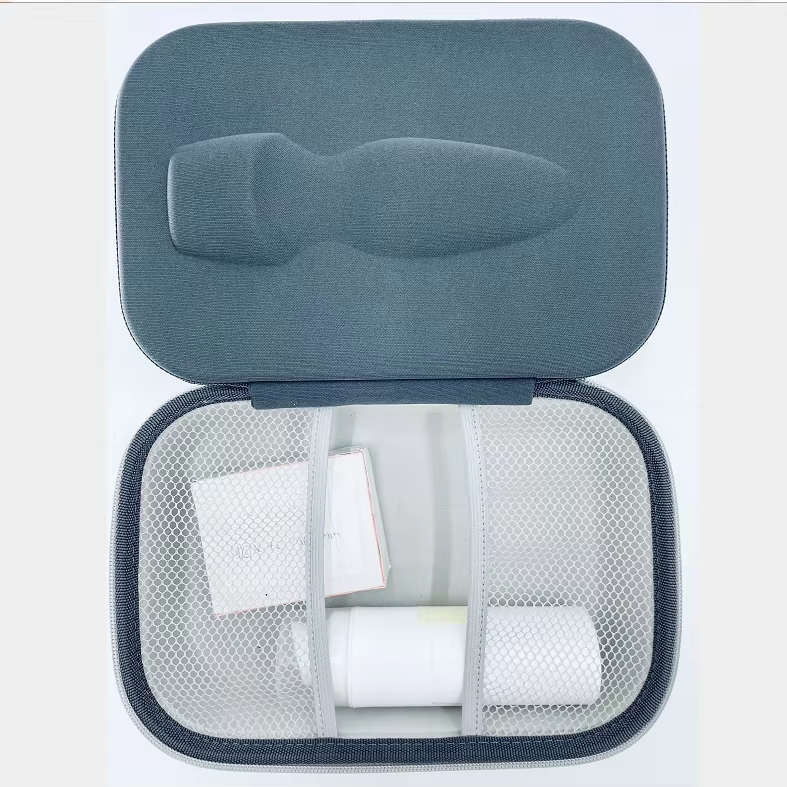
Superior Physical Protection: Shock Absorption, Impact Resistance, and Long-Term Durability
How EVA Foam’s Closed-Cell Structure Delivers Unmatched Shock Absorption and Energy Dissipation
EVA (Ethylene-Vinyl Acetate) foam excels due to its closed-cell architecture—millions of sealed air pockets that compress progressively under impact, absorbing kinetic energy and dissipating it across the matrix. This mechanism reduces peak G-forces transmitted to contents far more effectively than open-cell alternatives. Independent testing shows high-density EVA foam dissipates over 85% of impact energy in a standard 1-meter drop test (2024 Polymer Research). Crucially, EVA rebounds fully after compression, preserving protective performance across repeated impacts—unlike foams or plastics that permanently deform or crack.
Lab-Validated Impact Resistance: EVA vs. ABS, Polypropylene, and Other Common Case Materials
Rigorous lab testing confirms EVA’s structural superiority for dynamic protection. A 2023 comparative study by a leading materials testing institute applied ASTM D5420 and ISTA protocols to evaluate real-world durability:
| Material Property | EVA Foam | ABS Plastic | Polypropylene | Aluminum |
|---|---|---|---|---|
| Peak G-Force Reduction | 85% | 65% | 60% | 45% |
| Low Temp Performance (-20°C) | Excellent | Poor (Brittle) | Moderate | Good |
| Crack Resistance | High | Medium | Medium | Low (Denting) |
| Long-Term Durability | 10+ years | 5–7 years | 5–7 years | 10+ years |
EVA outperformed ABS and polypropylene in shock absorption—especially at low temperatures—and retained full functionality after 1,000+ compression cycles. In contrast, plastic shells frequently developed stress fractures under identical conditions. This validated resilience makes EVA the benchmark for protecting high-value equipment against drops, vibration, and environmental stress.
Reliable Environmental Defense: Waterproofing, UV Stability, and Surface Integrity
Waterproof, Dustproof, and Chemical-Resistant Sealing — Why EVA Cases Excel in Harsh Conditions
The closed-cell structure of EVA foam inherently blocks water, dust, and many industrial chemicals—without adding weight or compromising flexibility. When paired with precision-molded gaskets or robust zipper seals, EVA cases reliably achieve IP67 or higher ratings, proven in rain, mud, and workshop environments. Field technicians, outdoor photographers, and mobile lab teams rely on this barrier to keep sensitive gear dry and free from corrosion—even during extended exposure. Its resistance to common solvents, fuels, and cleaning agents further ensures integrity in demanding settings like automotive bays, laboratories, and emergency response vehicles.
UV Resistance and Thermal Stability: Maintaining Structural Integrity Across Climates
High-grade EVA formulations include UV stabilizers that prevent yellowing, surface cracking, and embrittlement—preserving both appearance and impact performance after years of sun exposure. Equally important is its broad thermal tolerance: EVA retains elasticity from sub-zero to desert-high temperatures, resisting warping, sagging, or seal failure. Unlike thermoplastics that soften in heat or stiffen in cold, EVA maintains dimensional stability and protective function whether stored in a freezing cargo hold or a sun-baked vehicle trunk—ensuring consistent reliability across global deployments.
Precision Protection by Use Case: Electronics, Medical Devices, and Tactical Gear
EVA Cases for Electronics: Static-Safe Interiors, Custom Molded Cavities, and Drop-Test Certification
For electronics, EVA cases go beyond cushioning—they integrate static-dissipative linings to prevent electrostatic discharge (ESD) damage to circuitry and sensors. Precision-molded cavities secure irregular components—such as aviation connectors or field-deployed diagnostic modules—eliminating transit-induced movement that could misalign calibration-sensitive parts. Many models are certified to MIL-STD-810G drop-test standards, surviving repeated 1.2-meter impacts onto concrete without internal shifting or casing deformation. This fusion of ESD safety, custom fit, and military-grade validation makes EVA the trusted choice for mission-critical instrumentation.
Medical, Audio, and Tactical Applications: Regulatory Compliance, Sterilization Compatibility, and Field-Ready Design
EVA’s adaptability extends across highly regulated sectors. Medical-grade variants use FDA-compliant, autoclave-resistant liners stable at 121°C (250°F) and compatible with hospital-grade disinfectants. Tactical and broadcast audio cases feature pressure-equalizing valves and enhanced environmental seals—blocking moisture ingress during monsoons or sandstorms while maintaining rigidity to protect optical calibrations in surveying tools. Whether safeguarding portable ultrasound systems, vibration-sensitive microphones, or night-vision optics, EVA delivers purpose-built protection grounded in compliance, durability, and real-world readiness.
Frequently Asked Questions
What is EVA foam, and why is it effective for protection?
EVA foam is a closed-cell foam made of Ethylene-Vinyl Acetate. Its closed-cell architecture with sealed air pockets excels in absorbing shock and dissipating impact energy, making it highly effective for protective cases.
How does EVA compare to materials like ABS plastic or aluminum?
EVA performs better in shock absorption, with an 85% peak G-force reduction compared to 65% for ABS and 45% for aluminum. It also excels in crack resistance, durability, and performance under extreme temperatures.
Is EVA foam waterproof and weather-resistant?
Yes, EVA foam is inherently waterproof and dustproof due to its closed-cell structure. It also resists UV exposure, chemicals, and extreme temperatures, making it ideal for harsh conditions.
Can EVA cases be used for medical or technical equipment?
Absolutely. EVA cases are designed with features such as custom-molded cavities, static-dissipative linings, and medical-grade liners for sterilization, making them suitable for sensitive and regulated equipment.
What industries benefit the most from EVA foam cases?
Industries that benefit include electronics, medical device manufacturing, tactical gear, automotive, and outdoor photography, among others, due to EVA’s lightweight, durable, and protective qualities.
