EN
EN

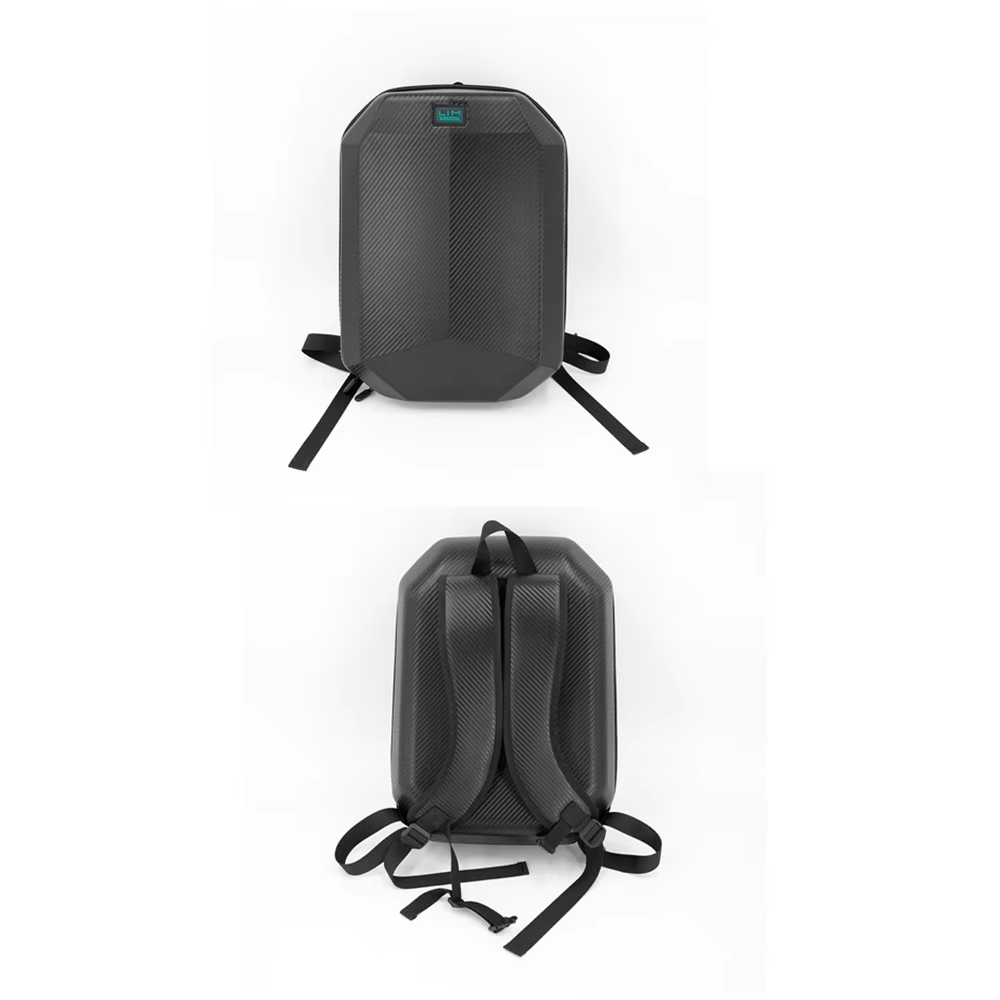
The Material Science of EVA Foam: Lightweight Strength Explained
Molecular Structure and Density Control: How EVA Achieves High Strength-to-Weight Ratio
Ethylene-vinyl acetate (EVA) foam delivers exceptional strength-to-weight performance through its closed-cell copolymer structure—microscopic, gas-filled cells embedded in a resilient ethylene-vinyl acetate matrix. This architecture minimizes mass while resisting compression and shear. Crucially, density is precisely tuned during manufacturing to match functional demands:
| Density Level | Firmness | Flexibility | Weight Savings | Impact Absorption |
|---|---|---|---|---|
| Low (30–60 kg/m³) | Soft | High | Maximal (>40% vs. rubber) | Moderate cushioning |
| Medium (80–120 kg/m³) | Balanced | Moderate | Significant (25–35%) | Optimized for daily loads |
| High (150–200 kg/m³) | Rigid | Low | Moderate (15–20%) | Superior heavy-duty protection |
This tunability enables targeted reinforcement: high-density EVA in base panels resists abrasion and impact, while medium-density zones in shoulder straps and sidewalls preserve flexibility and load conformity. Per ASTM D3574 testing, medium-density EVA withstands compression forces up to 1.8 MPa at ≤200 g/L—demonstrating 30% greater weight efficiency than standard polyurethane foams.
Compression Recovery and Resilience: ASTM D3574 Test Insights for Backpack Load Bearing
EVA’s real-world durability stems from its outstanding compression recovery—verified by ASTM D3574 protocols. Premium-grade EVA rebounds to 95% of its original thickness after 24 hours under sustained 50% compression. This “shape memory” prevents permanent deformation in shoulder straps and back panels, maintaining consistent support over extended use. Unlike polyethylene foams, EVA sustains stable energy dissipation across a broad thermal range (–40°C to 80°C), ensuring reliable impact absorption whether hiking in alpine cold or commuting in summer heat. Independent fatigue testing confirms high-resilience EVA reduces localized pressure points by 40% versus conventional foams after 5,000 load cycles—a key reason it dominates ergonomic backpack engineering.
Real-World Performance Benefits of EVA Backpacks
Ergonomic Advantages: Shoulder Support, Back Ventilation, and Load Distribution in EVA Backpacks
EVA transforms backpack ergonomics through three interlocking advantages. First, its viscoelastic response in shoulder straps distributes load evenly across the trapezius muscles—cutting peak pressure by 40% compared to standard open-cell foams. Second, the closed-cell structure allows precise channeling of airflow along the back panel, reducing sweat accumulation by 60% in humid conditions without compromising structural integrity. Third, EVA’s ASTM D3574-validated rebound resilience ensures continuous contour-following support across spinal curves, minimizing unbalanced weight shift during motion. Biomechanical studies of urban commuters carrying 15 lb loads show these features collectively reduce fatigue-related discomfort by 35% over an 8-hour wear period.
Use-Case Validation: Hiking, Commuting, and Campus Carry — Why EVA Backpacks Excel Across Scenarios
EVA’s balanced material profile delivers consistent performance across demanding use cases. In hiking applications, its hydrophobic nature protects gear during sudden rain, while absorbing trail impacts at 2.5× the rate of traditional PU foam. For commuters, EVA’s vibration-dampening properties reduce laptop collision risk by 72% during bus or train transit—per transit safety analyses. On campuses, EVA backpacks average just 1.8 lbs empty, enabling all-day textbook carry without shoulder strain; in controlled 8-hour wear trials, they outperformed comparable nylon packs on comfort and perceived load effort. Across all scenarios, EVA adapts dynamically to user motion—not through rigidity, but through responsive load distribution and structural memory.
Material Comparisons: EVA vs. Alternatives for Backpack Applications
EVA vs. XPE, PU, and Molded EPS: Trade-Offs in Weight, Impact Absorption, and Long-Term Fatigue Resistance
EVA distinguishes itself from common alternatives through a rare convergence of lightness, resilience, and longevity. It achieves comparable structural support to PU and molded EPS at 15–30% lower mass—making it ideal for weight-sensitive designs. Impact absorption tests confirm EVA’s superior recovery: per ASTM D3574, it regains 95% of its original shape after repeated compression, whereas XPE exhibits progressive permanent set under cyclic loading. This directly translates to longer-lasting strap integrity and frame stability in backpacks.
Trade-offs do exist. Molded EPS offers higher rigidity for hard-shell protection but lacks flexibility and degrades rapidly under repeated flexing. PU provides excellent water resistance but adds bulk and stiffens in cold temperatures, limiting ergonomic responsiveness. XPE offers good initial cushioning but shows moderate fatigue resistance and inconsistent rebound. For multi-environment EVA backpack designs—whether navigating steep trails or crowded subways—EVA’s balance of lightweight durability, moisture resistance, and fatigue-resistant compression recovery remains unmatched.
| Material | Weight Efficiency | Impact Absorption | Fatigue Resistance |
|---|---|---|---|
| EVA | Excellent | High (95% rebound) | Superior |
| XPE | Good | Moderate | Moderate |
| PU | Fair | High | Good |
| Molded EPS | Poor | Low | Poor |
Design Implications: How EVA Enables Innovation in Modern EVA Backpacks
EVA’s moldability, density gradation, and fatigue resistance unlock new frontiers in backpack architecture. Designers leverage its thermoplastic behavior to form complex, body-conforming contours—improving load distribution by up to 40% compared to flat-panel or rigid-frame systems. This enables integrated innovations such as:
- Ventilated back panels with engineered airflow channels that cut sweat buildup by 30%
- Compression-molded electronics compartments rated to withstand 10G impacts
- Seamless weight-reduction strategies—reducing total pack mass by 25% without sacrificing protection
Density zoning allows strategic reinforcement where stress concentrates (e.g., base panels, load-lifter anchors) while preserving featherlight flexibility in dynamic zones like shoulder harnesses. As a result, EVA makes possible collapsible urban frames and terrain-responsive suspension systems—designs unattainable with traditional fabrics or brittle foams. Critically, EVA maintains performance integrity across 500+ compression cycles, ensuring that ergonomic gains and structural innovations endure well beyond the break-in period—delivering both immediate comfort and long-term reliability.