 EN

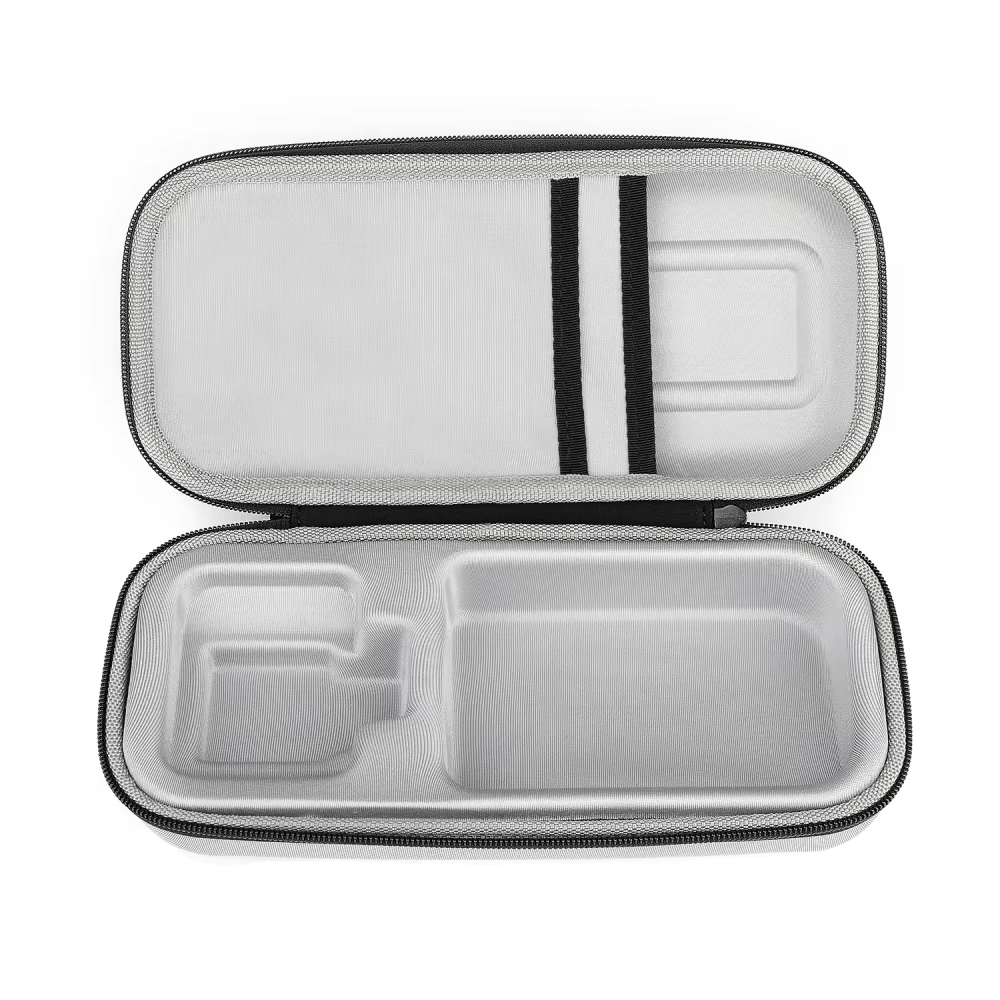
Lightweight Yet Durable: The Core Advantage of EVA Backpacks
Lightweight yet durable is not a trade-off in molded EVA design; it is the result of a closed-cell structure that removes unnecessary mass while maintaining impact protection. This section breaks down why that matters for carry fatigue and real-world commuting durability.
How EVA’s Low-Density Closed-Cell Structure Reduces Carry Fatigue
An EVA backpack’s weight advantage begins with its low-density closed-cell foam structure. Each cell traps air, delivering protective stiffness without the mass of solid plastic or thick textile panels. On a daily commute, that lower base weight matters: less shoulder load means less energy spent stabilizing the pack. Unlike soft fabric bags that sag and pull away from the spine, a molded EVA back panel keeps the load close to the body and spreads pressure more evenly. Because the foam compresses slightly under load and rebounds fully, it absorbs small jolts—from walking, stair use, train stops, or curb drops—instead of transferring them to the neck and shoulders. The structured fit also prevents the one-shoulder slump that often causes upper-back fatigue. For workers carrying laptops, lunch containers, and a change of clothes, reducing base weight by even a few hundred grams can noticeably lower perceived exertion over a 40-minute ride.
Durability Benchmark: EVA vs. Nylon, Polyester, and Canvas in Real-World Commuting
Molded EVA shells hold their shape after being squeezed against train doors, tossed under seats, or scraped on stairwell walls. In contrast, fabric packs fail in predictable ways.
| Material | Real-world commuting behavior | Main weakness |
|---|---|---|
| EVA molded shell | Resists scuffs, moisture, and cracking; springs back after compression | Surface marks; less flexible than soft fabric |
| Nylon | Strong abrasion resistance; dries quickly | Tears at seams or sharp snags; loses structure over time |
| Polyester | Lightweight and colorfast | Stains and holds odors; fabric thins with daily friction |
| Canvas | Very high tear strength | Heavy, absorbs water, mildews, and increases fatigue |
Nylon and polyester commute packs rarely crack, but their zippers and seams are common failure points. Canvas feels tough, yet wet weather makes it heavier and slower to dry. EVA’s closed-cell surface is naturally water-resistant and easy to wipe clean—helping commuters avoid odor buildup and staining. It does not stiffen on cold mornings or crack after repeated flexing. For real-world use, EVA’s advantage is not just hardness; it is consistent protection with low maintenance.
All-Day Functionality: Smart Storage and Practical Features for Urban Life
Modular Compartment Design—Work, Gym, and Errands in One EVA Backpack
Urban days often mix work, fitness, and errands. A single EVA backpack should replace multiple bags. The average one-way U.S. commute is 26.4 minutes (U.S. Census Bureau 2022). Carrying a separate gym tote or grocery sack adds friction—and raises the chance of forgotten items. Modular layouts solve this with a padded laptop sleeve, a ventilated wet-gear pocket, and a dedicated shoe compartment. Quick-access side panels hold keys, transit cards, or a water bottle. Each zone stays physically separated: a damp towel never touches a tablet or packed lunch. The closed-cell EVA shell helps the pack hold its shape, reducing shifting during train or bike rides—even when compartments are partly empty. This structure supports three daily transitions: desk to locker room, gym to market, and market to home. A well-designed commuter pack cuts the mental load of repacking, turning fragmented urban movement into one fluid routine—and reducing both shoulder strain and the risk of leaving bags behind on a crowded bus.
Stain-, Odor-, and Water-Resistant Surfaces: Hygiene and Maintenance Benefits for Daily Commuters
Daily commutes expose bags to spilled coffee, rain, and shared surfaces. EVA shells handle this with a non-porous, closed-cell surface. Liquids bead on the shell instead of soaking through. Unlike woven nylon or canvas, EVA does not trap moisture in its fibers—so there’s less odor and fewer bacteria-friendly damp zones. Mud, ketchup, or sunscreen can often be wiped away with a damp cloth and mild soap. This low-maintenance cleanup supports daily hygiene and extends the pack’s usable life. Commuters moving from crowded trains to office desks avoid carrying visible stains or stale smells. The smooth surface also prevents odor from becoming locked inside the pack after gym sessions. Regular wipe-downs replace frequent machine washing—saving time and reducing wear. For urban routines, this means the pack stays presentable across professional, fitness, and social environments: a reliable daily tool, not a hidden hygiene risk.
Weather-Ready Performance: UV, Water, and Impact Resistance Explained
A weather-ready EVA backpack protects gear through sudden showers, strong sun, and crowded commutes without heavy coatings or stiff panels.
Science Behind EVA’s Weatherproofing: Why It Excels in Rain, Sun, and Transit Stress
EVA’s weatherproofing comes from its low-density closed-cell structure—not surface treatments. Unlike woven nylon or polyester, which rely on coatings that can crack or peel, EVA foam is inherently resistant to water ingress. Light rain beads and wipes away quickly, keeping laptops and clothing dry. Sealed cells prevent sweat and humidity from soaking in—reducing odor and mildew risk after daily use.
Stabilized EVA compounds also resist ultraviolet breakdown better than many coated fabrics. UV light can make standard pack cloth brittle and faded, but EVA panels stay flexible and retain color longer. In transit, EVA’s shock-absorbing cell walls cushion knocks against doors, railings, and overhead bins—and rebound quickly without added stiffness. Few materials combine water, sun, and impact defense in one lightweight shell.
Proven Versatility: From Commuting to Travel and Beyond
User Journey Mapping: How a Single EVA Backpack Serves Five Lifestyles Seamlessly
A single EVA backpack moves through a week without forcing a switch. On Monday, a commuter slides a 14-inch laptop into the padded sleeve and tucks a folded umbrella into the front pocket—work documents stay flat against the semi-rigid back panel. Tuesday’s gym session uses the same main cavity for a change of clothes, a towel, and a toiletry kit; the closed-cell surface prevents sweat odor from lingering. By Friday, a student stows textbooks, a tablet, and a lunch container—the water-resistant surface protects paper handouts in rainy weather. Saturday becomes a travel day: the bag fits under an airplane seat, and impact-absorbing foam safeguards a camera and power bank. On Sunday, a parent uses the multi-pocket layout as a day-trip carryall for snacks, wipes, and a light jacket. Instead of owning separate bags for work, school, gym, weekend trips, and family outings, users rely on one lightweight, adaptable design. That continuity across five lifestyles—commuting, fitness, education, travel, and family errands—makes this bag a practical all-in-one choice.
FAQ
What makes EVA backpacks lightweight yet durable?
EVA backpacks are made from low-density closed-cell foam, which eliminates unnecessary mass while providing impact protection and stiffness. This structure ensures lightweight performance without compromising durability.
How does EVA perform better than nylon, polyester, or canvas for commuters?
EVA molded shells are moisture-resistant, retain shape, and are easy to clean, while materials like nylon, polyester, or canvas may succumb to tears, odors, or water absorption over time.
Can an EVA backpack handle rain and sun exposure?
Yes, EVA’s closed-cell structure is naturally water-resistant and UV-stabilized, ensuring protection against sudden showers and strong sunlight without compromising flexibility.
Is an EVA backpack suitable for multiple purposes?
Absolutely. Its modular design and adaptable features serve various lifestyles like commuting, fitness, education, and travel seamlessly.
How does an EVA backpack help with hygiene and maintenance?
EVA's non-porous surface resists stains, odors, and moisture, allowing easy wipe-downs that extend the bag's usable life and keep it presentable every day.
