 EN

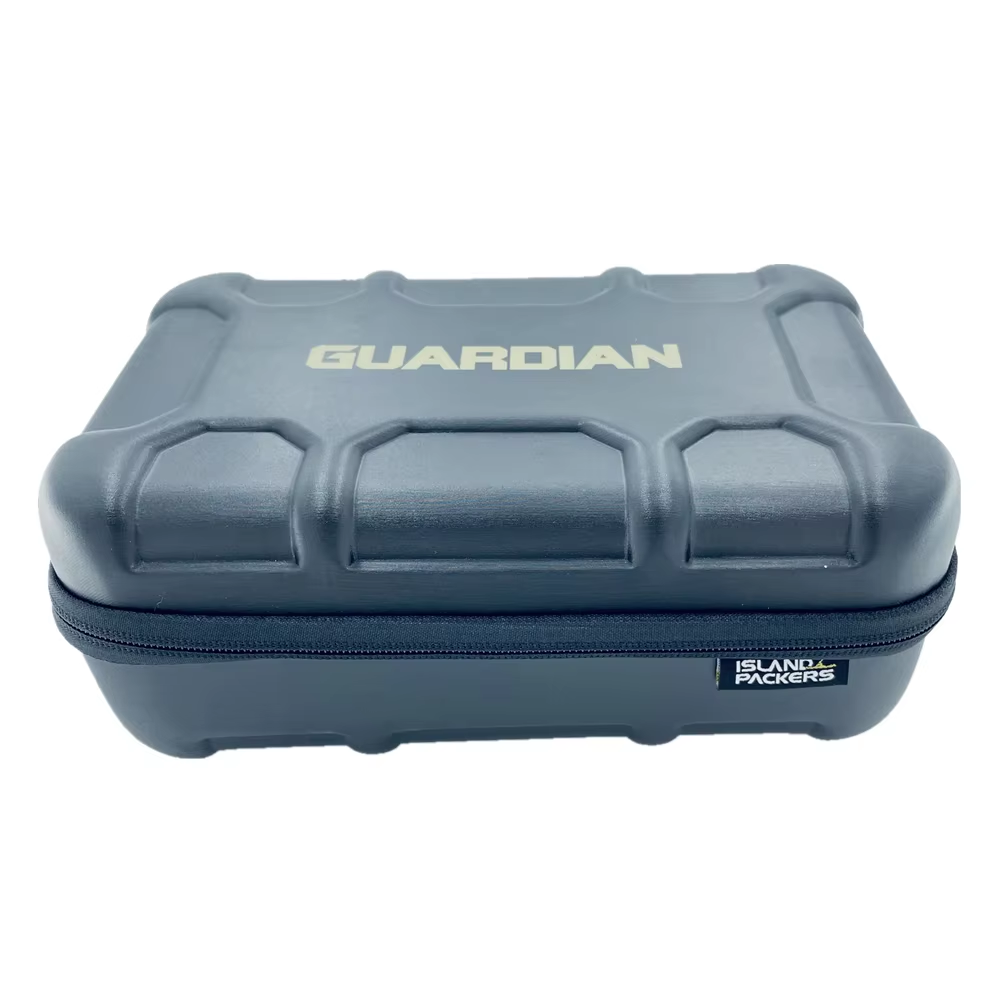
Understand Core EVA Case Material Properties
Density, Hardness, and Thermal Forming Behavior
EVA (Ethylene Vinyl Acetate) is a closed-cell copolymer foam combining ethylene and vinyl acetate to deliver rubber-like flexibility, consistent resilience, and reliable shock absorption. In case manufacturing, density—typically ranging from 30 to 120 kg/m³—is the primary determinant of hardness, compressive recovery, and thermal formability. Lower vinyl acetate content yields firmer, more rigid foam with higher Shore A/C hardness; higher vinyl acetate improves elasticity and softness. Thermal forming relies on compression molding with precisely controlled heat, pressure, and dwell time—parameters that must align with the foam’s density and hardness profile. Under- or over-processing risks tearing, inconsistent wall thickness, surface blistering, or permanent deformation. A stabilized thermal cycle preserves the integrity of the closed-cell structure, enabling the finished case to rebound fully after repeated compression. This tight interplay between formulation and process defines both protective performance and long-term dimensional stability.
Why Density Range (30–120 kg/m³) Directly Impacts Impact Protection and Mold Complexity
The 30–120 kg/m³ density range reflects a deliberate engineering trade-off: lower densities prioritize energy absorption and ease of forming; higher densities emphasize structural support and resistance to crush—but at the cost of greater mold complexity. Low-density EVA (30–50 kg/m³) compresses readily, offering soft cushioning ideal for lightweight tools or accessories—but minimal shape retention under sustained load. Medium-density foam (50–80 kg/m³) strikes the optimal balance for most portable electronics and medical devices, delivering dependable shock absorption while holding cavity geometry during repeated insertion cycles. High-density EVA (80–120 kg/m³) resists deformation and supports heavier payloads, yet demands higher mold pressure, longer cycle times, and more robust tooling—especially for deep draws, sharp radii, or undercuts.
| Density Range | Impact Protection | Mold Complexity |
|---|---|---|
| 30–50 kg/m³ | Soft cushioning, low structural support | Low; easy to form simple shapes |
| 50–80 kg/m³ | Balanced shock absorption and shape retention | Moderate; suitable for typical product cavities |
| 80–120 kg/m³ | High rigidity, supports heavy items | High; requires more pressure, longer cycles |
Design Precision-Fit Interior Foam Inserts for Your Product
From 3D CAD Model to Nesting-Optimized Foam Layout
Begin with a precise 3D CAD model of the product. If unavailable, laser scanning or calibrated manual measurement can generate an accurate digital twin. Import the model into dedicated foam design software and apply a uniform 0.5–1.0 mm offset to all cavity walls—this accommodates EVA’s natural compression and ensures smooth insertion without binding. Arrange cavities in a nesting-optimized layout that maximizes material yield while maintaining functional wall thickness (minimum 3 mm), grip integrity, and mechanical stability. Position heavier components near the case handle or hinge side to minimize rotational torque during carry. Standardize cut depths and avoid narrow bridges between pockets to simplify CNC routing or waterjet cutting—and reduce scrap. Validate the layout with a low-cost prototype before committing to production foam. This step prevents costly rework and confirms that each item is held firmly without excessive pressure. Well-nested layouts improve machining efficiency, reduce per-unit foam waste, and enable rapid turnaround—even for small-batch or high-mix orders. Maintain a digital library of approved cavity profiles to accelerate repeat orders from CAD to cut foam in days, not weeks.
Accounting for Weight Distribution, Protrusions, and Tolerance Stacking
Design the insert around the product’s center of gravity: place heavier elements near the base or hinge side to reduce drop-induced rotational stress. Provide generous clearance—typically 1.5–2.0 mm—for protruding connectors, knobs, cable strain reliefs, and tactile controls. Incorporate relief cuts or finger pulls where needed to ensure intuitive, non-damaging removal. Account for cumulative tolerance stacking across the foam insert, fabric lining, and product coatings by specifying a total clearance budget of 1–2 mm. Always conduct a dry-fit test before finalizing cavity depth. This avoids pinch points, audible rattling, and premature foam fatigue caused by repeated forceful insertion. A precision-fit EVA interior immobilizes the product passively—absorbing impact energy rather than transmitting stress to sensitive components.
Validate EVA Case Performance Against Real-World Use Conditions
IP Ratings, UV Stability, and Cleanability for Medical, EMS, and Field Equipment
For medical, EMS, and field-deployed equipment, validation must reflect real-world environmental stress—not just lab-based drop tests. Ingress Protection (IP) ratings serve as the foundational benchmark for sealing performance. High-performance EVA cases achieve certified IP ratings through one-piece molded shells, compression-molded silicone or EPDM gaskets, and latches engineered for consistent clamping force across temperature and vibration cycles.
Three field-critical attributes determine long-term reliability:
- UV stability: UV-stabilized EVA compounds resist yellowing, surface chalking, and microcracking during extended outdoor exposure—extending service life in sun-intensive environments like search-and-rescue or military field use.
- Cleanability: Smooth, non-porous EVA surfaces repel fuel, oil, mild acids, and biological contaminants; pairing them with antimicrobial linings enables rapid, residue-free disinfection between patient transfers or site deployments.
- Sealing consistency: Documented IP testing—performed across multiple open/close cycles, temperature extremes (–20°C to +60°C), and simulated vehicle vibration—verifies that gasket compression and latch retention remain within specification.
A validated EVA case for these applications integrates certified IP sealing, UV-resistant shell material, and cleanable interior surfaces—ensuring consistent protection in wet, dusty, high-contact, and sun-exposed conditions.
Optimize the EVA Case Trade-Off Triangle: Protection, Portability, Cost
Every EVA case design navigates an inherent triad: protection, portability, and cost. A 120 kg/m³ shell delivers maximum impact resistance but adds weight and raw material expense. A 30 kg/m³ shell minimizes mass and cost—but sacrifices crush resistance and long-term shape fidelity. The key is grounding decisions in actual use: catalog likely drop heights, crush loads (e.g., stacked gear), and carry duration or frequency. Then explicitly prioritize one side of the triangle to guide material selection and structural strategy.
| Priority | Typical case design choice | Trade-off to manage |
|---|---|---|
| Protection first | 70–120 kg/m³ density, thicker walls, full custom insert | Higher weight and larger tooling; may exceed carry limits |
| Portability first | 30–55 kg/m³ density, slim side walls, minimal hardware | Lower crush and puncture resistance; add internal ribs if needed |
| Cost first | 45–70 kg/m³ density, modular insert, standard latch and hinge | Moderate protection; avoid complex undercuts and multi-step molds |
For most portable instruments—including diagnostic tools, handheld radios, and field sensors—a hybrid approach proves most effective: a 45–70 kg/m³ outer shell paired with a 25–40 kg/m³ interior insert delivers reliable drop protection while remaining light enough for confident one-hand carry. Where the product features sharp corners, protruding optics, or a heavy battery pack, reinforce only those zones with localized density increases or strategic ribbing—rather than thickening the entire shell. This targeted reinforcement preserves overall portability and controls cost, without compromising protection where it matters most.
FAQ
What is EVA foam used for in case manufacturing?
EVA foam is used in case manufacturing for its durability, shock-absorbing properties, and its ability to form custom shapes that protect and secure products.
What does the density range of EVA foam mean?
The density range of EVA foam (30–120 kg/m³) affects its structural properties. Lower densities are softer and better for cushioning, while higher densities provide greater rigidity and support.
How does vinyl acetate content impact EVA foam properties?
Higher vinyl acetate content results in improved elasticity and softness, while lower content creates firmer, more rigid foam with higher hardness.
What factors impact the thermal forming of EVA foam?
Thermal forming depends on precisely controlled heat, pressure, and dwell time according to the foam’s density and hardness profile. Under- or over-processing can result in damage or defects.
How do I design a precision-fit EVA foam insert?
Using a precise 3D CAD model or measurements, add offsets, maintain wall thickness, and arrange a nesting-optimized layout. Validate the design with a prototype to ensure a secure fit.
What environmental factors should I consider in EVA case design?
Key factors include UV stability, cleanability for contaminants, and achieving certified IP sealing for protection against environmental stress like water, dust, and temperature fluctuations.
What is the EVA case trade-off triangle?
The EVA case trade-off triangle involves balancing protection, portability, and cost. The right choice depends on the required use-case and priorities, such as impact resistance, lightness, or affordability.
Table of Contents
- Understand Core EVA Case Material Properties
- Design Precision-Fit Interior Foam Inserts for Your Product
- Validate EVA Case Performance Against Real-World Use Conditions
- Optimize the EVA Case Trade-Off Triangle: Protection, Portability, Cost
-
FAQ
- What is EVA foam used for in case manufacturing?
- What does the density range of EVA foam mean?
- How does vinyl acetate content impact EVA foam properties?
- What factors impact the thermal forming of EVA foam?
- How do I design a precision-fit EVA foam insert?
- What environmental factors should I consider in EVA case design?
- What is the EVA case trade-off triangle?
