EN
EN

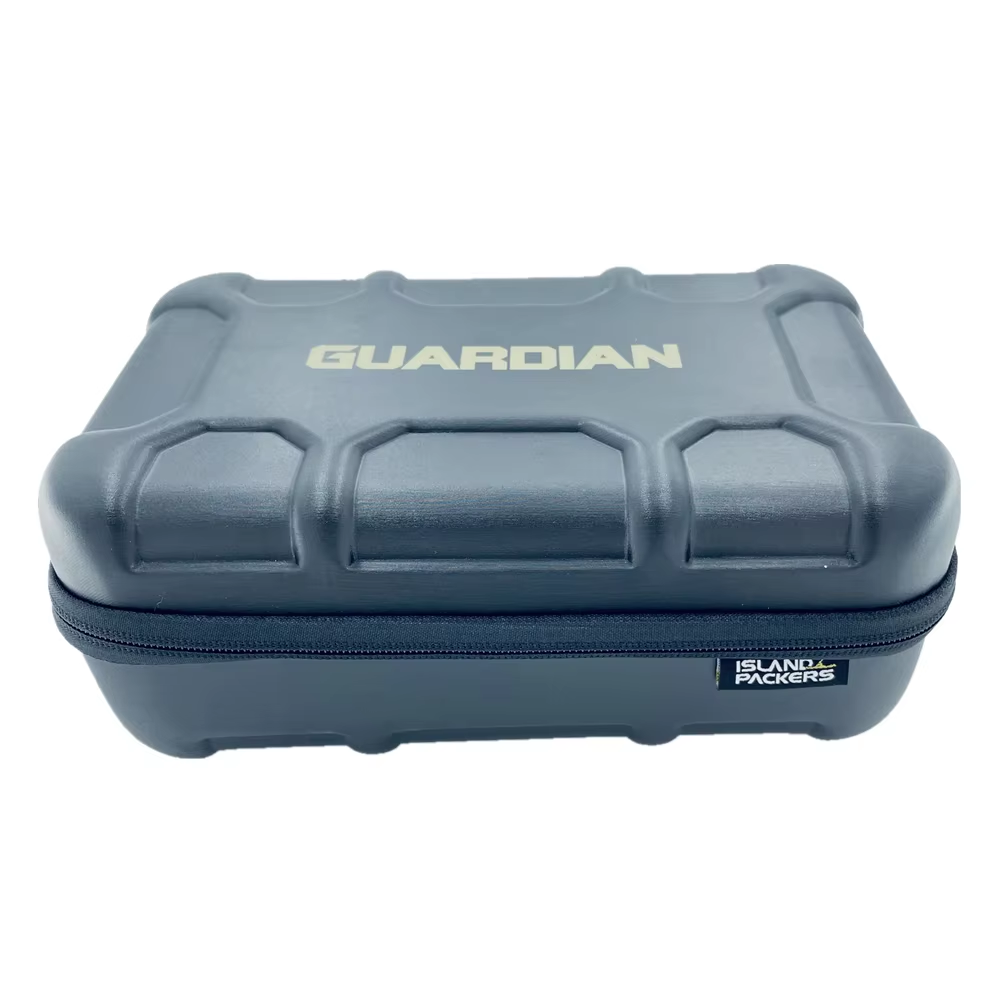
Superior Shock Absorption and Impact Protection with Custom EVA Foam Inserts
How EVA Foam’s Closed-Cell Structure Enables Predictable Energy Dissipation
EVA foam inserts work really well at absorbing shocks because of how they're built. The material has these tiny sealed air pockets throughout it, so when something hits the foam, those pockets deform evenly across the whole surface area. This helps spread out the force of whatever impact happens. Open cell foams just collapse randomly under pressure, but EVA maintains consistency every time it's used. According to tests following ASTM standards, dense EVA materials between 90 to 100 kg per cubic meter can actually soak up around 60 to 70 percent of the energy from drops straight down. That makes them great for keeping sensitive stuff like electronics safe during shipping. When packaged properly with EVA, the maximum G forces experienced drop by almost half compared to regular packing materials. Less G force means fewer broken items arriving damaged after transport.
EVA vs. PE vs. PU: Performance Comparison in Realistic Drop-and-Vibration Scenarios
Independent lab testing under ISTA 3A protocols highlights EVA’s performance edge in real-world logistics conditions:
| Material | Average Peak G-Force (1m Drop) | Vibration Damping (5–500 Hz) | Compression Set (%) |
|---|---|---|---|
| EVA Foam Insert | 85 G | 92% attenuation | <10% (24h recovery) |
| Polyethylene (PE) | 120 G | 67% attenuation | 25–30% |
| Polyurethane (PU) | 110 G | 78% attenuation | 15–20% |
The viscoelastic properties of EVA make it about half as effective as PE when it comes to dampening those annoying resonant vibrations. But where EVA really shines is durability after repeated drops. Products made with EVA can withstand over 50 drop tests without losing their shape or function. Polyurethane isn't so lucky though - most samples start showing permanent deformation after just around 20 drops. According to tests following ISO 2248 from 1985, items packed with specially designed EVA inserts arrive undamaged about 98 times out of 100. That's pretty impressive compared to the roughly 89% success rate seen with standard PE and PU alternatives. What makes EVA stand out even more is how consistently it performs regardless of temperature extremes ranging from minus 20 degrees Celsius all the way up to 60 degrees. This stability means packages stay protected whether they're shipped through freezing cold warehouses or hot summer climates.
Precision Fit Ensures Optimal Protection for Fragile or Irregularly Shaped Items
CNC Routing and Thermoforming Achieve Sub-Millimeter Conformity to Product Geometry
Custom EVA foam inserts get made through CNC routing combined with thermoforming techniques, which allows for really tight tolerances below a millimeter. These precision cuts stop things from moving around when shipped, because they fit exactly against whatever shape needs protection, whether it's something fragile like circuit boards or weird prototype shapes. Just think about how even half a millimeter space between components can let damaging forces build up when there's an impact. When we talk about automated manufacturing processes, they distribute pressure evenly throughout every contour of the product. Manual cutting just doesn't match this consistency level, often leaving spots where stress concentrates and potential failure points develop over time.
The Cost of Compromise: How Generic Foam Inserts Increase Damage Rates in Electronics Logistics
Generic foam inserts actually raise the chances of damaging electronics by about 23 percent, as per the latest report from the Logistics Safety Council in 2023. The main issue comes down to inconsistent material density and bad dimensional control, which means the stabilization just isn't good enough. This leads to all sorts of problems like cracked PCBs, shattered screens, and failed connectors when things get shaken during transport. Standard one size fits all designs tend to leave empty spaces too, places where shocks can build up and put extra pressure on those crucial connection points. When we're talking about expensive medical gear or industrial machinery, these kinds of failures end up costing companies way more in warranties than they ever saved by going cheap on packaging. That's why precision made EVA inserts make so much sense. They specifically target areas that need compression resistance, giving components exactly what they need for proper protection.
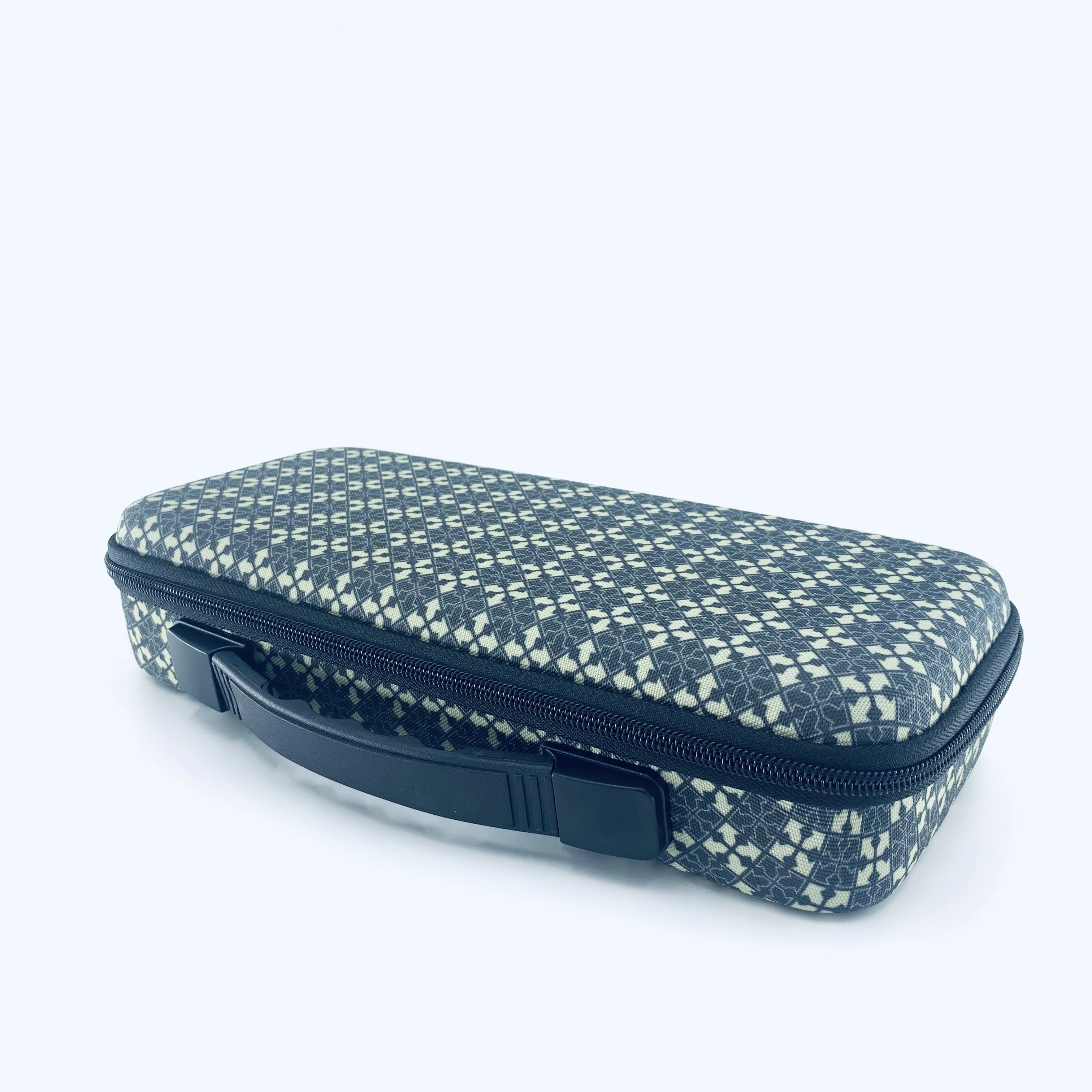
Material-Specific Advantages: Water Resistance, Durability, and Long-Term Cushioning Stability
ASTM-D570 Validation: <0.05% Water Absorption Makes EVA Foam Insert Ideal for Marine, Outdoor, and Field-Deployed Equipment
According to ASTM D570 standards, EVA foam takes in less than 0.05 percent moisture, which is about twenty times less than what standard polyethylene would absorb. This happens because of how the cells are structured inside the material, basically forming a barrier against water penetration. The very low moisture absorption means the foam won't swell up, won't grow mold, and won't corrode over time. This helps keep the shape intact and maintains protection even when exposed to damp conditions, rainfall, or being submerged in water for extended periods. Plus, EVA stands up really well to repeated stress. After going through around ten thousand compression cycles, it still holds more than 95 percent of its original properties. That makes EVA last much longer than regular foams in tough environments like construction sites, boats, or anywhere outdoors where other materials tend to break down within just a few months.
Total Value Justification: Custom EVA Foam Insert ROI Beyond Upfront Cost
Investing in custom EVA foam inserts pays off in the long run even though they cost more initially than standard options. Logistics reports indicate these specialized foams cut down on shipping damage by around 90%, which means companies see fewer returns, less need for replacements, smaller insurance payouts, and overall lower warranty costs. The reputation boost matters too. When packages arrive undamaged, customers tend to trust the brand more, leave better feedback on surveys, and are less likely to post bad reviews online. EVA has another advantage over materials like PU foam because it doesn't compress over time or break down when exposed to different conditions. Regular PU tends to lose its bounce after just a few months sitting in storage or during transport. Most companies find that all these savings from avoiding losses, plus keeping customers happy, typically covers the initial expense for custom inserts somewhere between 12 to maybe 18 months later.
Table of Contents
- Superior Shock Absorption and Impact Protection with Custom EVA Foam Inserts
- Precision Fit Ensures Optimal Protection for Fragile or Irregularly Shaped Items
- Material-Specific Advantages: Water Resistance, Durability, and Long-Term Cushioning Stability
- Total Value Justification: Custom EVA Foam Insert ROI Beyond Upfront Cost