EN
EN

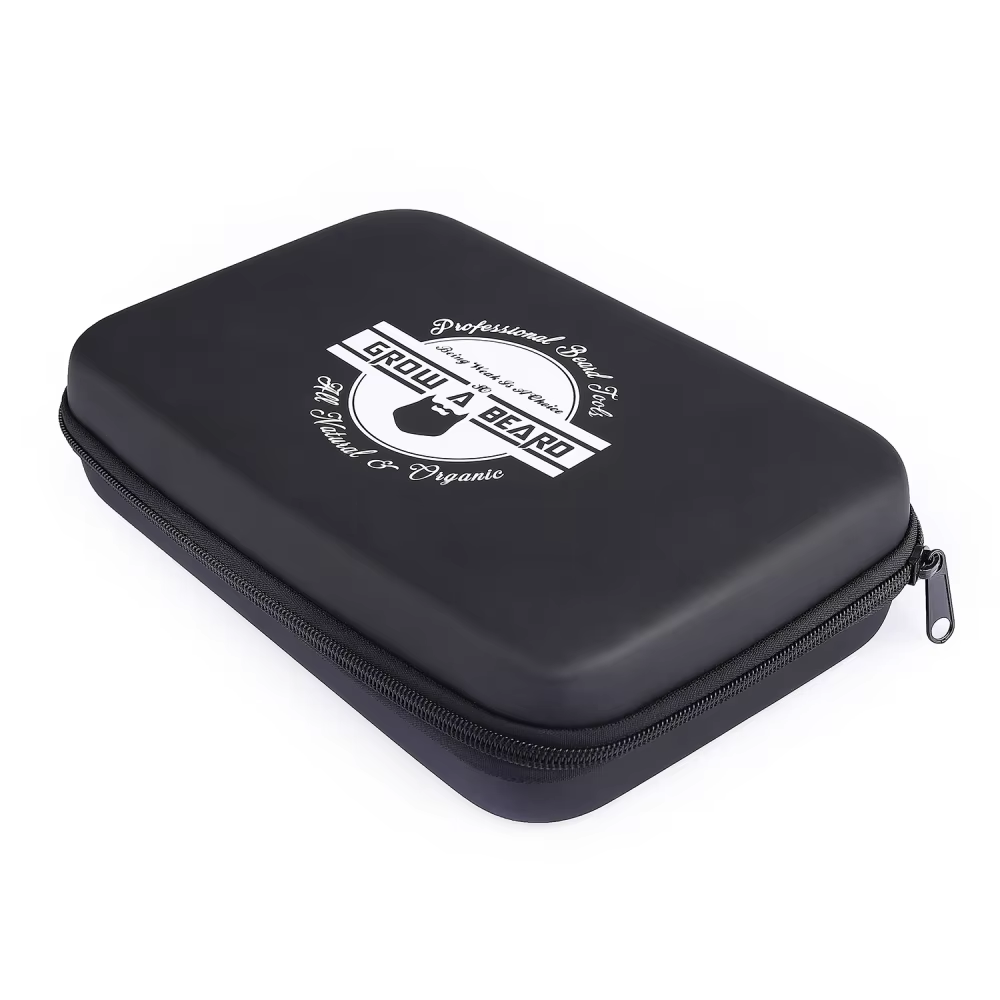
Hoekom is mediese-kwaliteit EVA-dosse noodsaaklik vir die beskerming van stelle en nakoming
Kussening, termiese isolasie en biokompatibiliteit van mediese-kwaliteit EVA-skuim
Mediese-graad EVA-skuim verskaf betroubare demping vir sensitiewe instrumente tydens vervoer en daaglikse gebruik. Sy geslote-selstruktuur absorbeer impakenergie doeltreffend—wat draagbare monitore, chirurgiese gereedskap en diagnostiese toestelle beskerm teen vibrasie, skok en saampresingskade. Dieselfde struktuur verskaf passiewe termiese isolasie, wat help om stabiele interne temperature te handhaaf vir temperatuur-gevoelige inhoud soos reagentia of gekalibreerde sensore. Belangrik is dat mediese-graad EVA bio-kompatibel is: dit voldoen aan ISO 10993-standaarde vir velkontak en kompatibiliteit met steriel-veldomgewings, sonder enige uitwasbare verbindings of sitotoksiese reaksies. Saam verseker hierdie eienskappe toestelintegriteit—van berging deur vervoer tot by punt-van-sorg-deployment.
Voldoen aan ISO 13485 en FDA-erkenningstandaarde vir toestelverpakking
Reguleringsnakoming is nie opsioneel nie—dit is grondslaggebied. Voerende EVA-kasvervaardigers ontwerp en valideer hul produkte onder ISO 13485-gekwalifiseerde gehaltebestuurstelsels, wat traceerbaarheid, konsekwente vervaardigingsbeheer en gedokumenteerde validasieprotokolle verseker. Hierdie kasse voldoen ook aan FDA-erkenste konseensusstandaarde—insluitend ASTM D4169 vir verspreidings-toetse en ISO 11607 vir verpakking van terminaal-gesteriliseerde mediese toestelle—wat hul prestasie onder werklike hantering-, sterilisasie- en hou-daatomstandighede aantoon. Hierdie dubbele ooreenstemming gee klinici en inkoopspanne vertroue dat die kas 'n betekenisvolle bydrae lewer tot toestel-veiligheid, besmettingsvoorkoming en gereedheid vir oudits.
Ontwerp van Aangepaste EVA-Kasse vir Kliniese Funksionaliteit en Steriliteitsekerheid
Presisie CNC-gesnyde skum-insetstukke vir chirurgiese, diagnostiese en moniteringstoestelle
Aangepaste EVA-gevalle maak gebruik van CNC-gesnyde skum-insetstukke om instrumente met millimeter-presisie vas te maak. Rekenaarbeheerde fresewerk skep presiese pasvormholtes vir skalpelle, endoskopiese toebehore, ultraklankproewe en infusiepompkomponente—wat beweging wat mikroskose beskadiging, kruisbesmetting of mislyning kan veroorsaak, elimineer. Vir komplekse moniteringsapparatuur soos defibrillators of EEG-stelsels versprei gevormde skum die impakenergie oor die hele oppervlak eerder as om spanning by een punt te konsentreer. Hierdie presisie ondersteun ook vinnige, intuïtiewe toegang: klinici haal elke keer die regte instrument eerste keer uit—krities in tyd-afhanklike operasiekamer- en intensiewe-sorg-eenhede (ICU) werkvloeie. Wanneer dit saam met goedgekeurde skoonmaakprotokolle gebruik word, behou hierdie insetstukke beide sterielheid en funksionele gereedheid.
Outoklaafbare komponente, desinfeksiebestandheid en antimikrobiese oppervlakbehandelings
Ware kliniese bruikbaarheid vereis meer as skokabsorpsie—dit vereis veerkragtigheid oor die volledige desinfeksie-lewensiklus. Hoogpresterende EVA-gevalle sluit outoklaafbare skuimskottels in (geldig vir tot 20 siklusse by 134°C/273°F volgens ISO 17665) wat hul vorm, digtheid en beskermende funksie na sterilisasie behou. Binneskante het dikwels EPA-geregistreerde antimikrobiese behandelings (bv. silwer-ioon- of kwaternêre ammoniumverbindings), wat bakteriële groei op skuim- en voeringmateriale inhibeer sonder om biokompatibiliteit te kompromitteer. Terselfdertyd gebruik buiteskille desinfeksiebestande polimere wat ontwerp is om herhaalde afvee met 70% isoproplalkohol, bleikmiddeloplossings en waterstofperoksiedgebaseerde middels te weerstaan—sonder dat dit krake, dof word of afskei. Hierdie geïntegreerde eienskappe handhaaf hidrogniese integriteit deur hospitaalgange, beweeglike klinieke en streng velddoeingsomgewings.
Optimaliseer EVA-gevalprestasie oor gesondheidsorgomgewings
Veld-klaar Funksies: Waterdigte Rits, Skokabsorpsie-Validering en Vinnige Insetsluitings
In dinamiese of onvoorspelbare omgewings—soos ambulanses, rampgebiede en plattelandse uitreikprogramme—moet die EVA-kas self soos missie-kritieke toerusting optree. Waterdigte ritslusse met termoplastiese poliuretaan (TPU)-digtings voorkom vloeistofindring tydens reën, desinfeksiesproeiings of per ongeluk gegooide vloeistowwe, wat interne sterielheid bewaar. Skokabsorpsieprestasie word nie aanvaar nie, maar geverifieer deur gestandaardiseerde valtoetse volgens MIL-STD-810G Metode 516.6 (vervoerval), wat werklike valle van 1,2 meter op beton naboots—‘n nywerheidsmaatstaf vir ambulansdek- en helikopter-ladingshantering. Laastens maak vinnige-deployment-sluitings—soos enkelaksie-slotte, magnetiese digtings of treklint-ritslusse—eenhandse, sub-drie-sekondes-toegang tot lewensreddende toestelle moontlik. Hierdie is nie gerieflikheidsfunksies nie; dit is bewysgebaseerde ontwerpkeuses wat kognitiewe las verminder, reaksietye versnel en infeksiebeheer versterk.
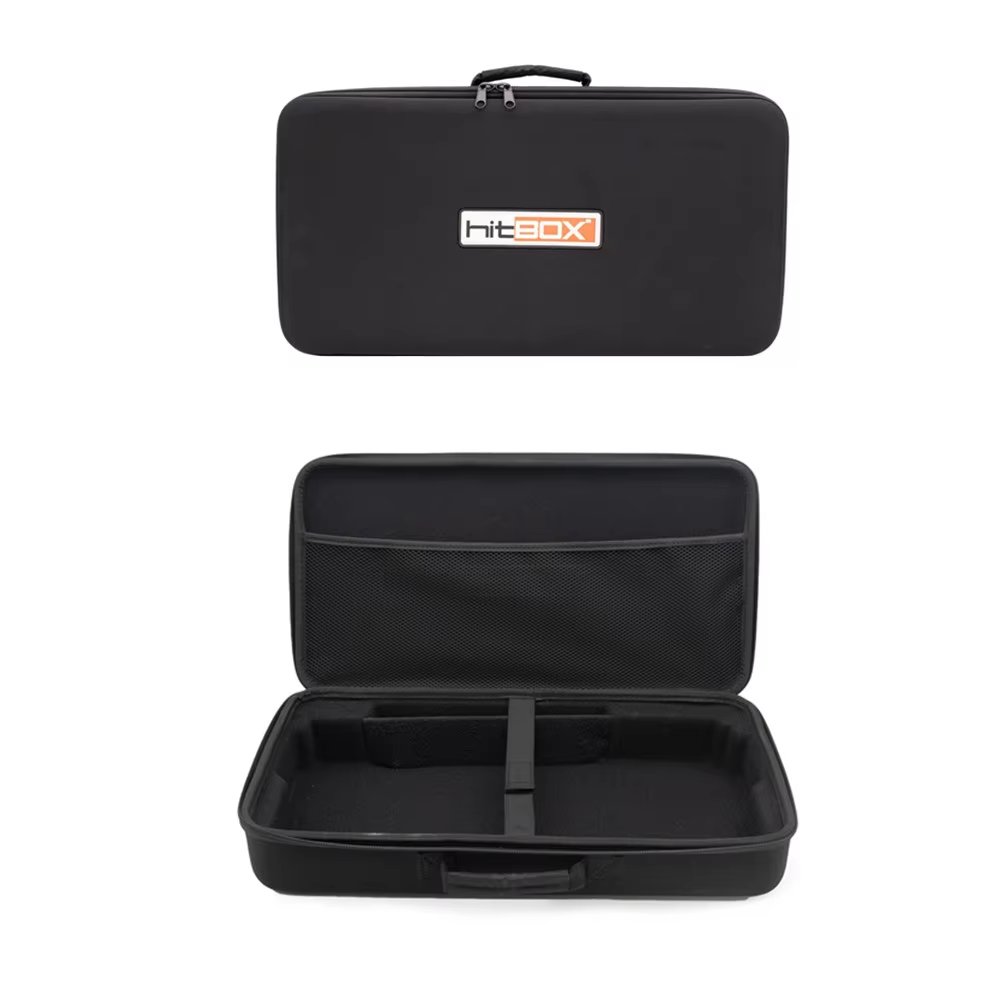
Kies die Regte EVA-kas volgens Gebruiksgeseënde: ER, Mobiele Klinieke en Rampreaksie
Gesondheidsorgomgewings plaas unieke bedryfsvereistes op—en die regte EVA-kassie weerspieël hierdie prioriteite. In Noodkamers is spoed en duidelikheid van kardinale belang: kassies beskik oor eenhand-opeenmaakmeganismes, hoë-kontras etiketteerareas en kompartementaliseerde skumopstelling wat geoptimaliseer is vir trauma-kits, lugwegbestuurinstrumente en hartstilstandreaksie-uitrusting. Mobiele klinieke stel ergonomie en aanpasbaarheid bo alles: ligte doppe (onder 4,5 kg volgelaaai), gevulde skouerbandjies en modulêre skumsisteme wat aanpassings vir ontwikkelende tele-gesondheidsorgdiagnose of punt-van-sorg laboratoriumtoerusting sonder herontwerp toelaat. Vir rampreaksie word robuustheid en omgewingsdigtheid veral beklemtoon: IP67-gegrate krampe, versterkte hoekbeskermers, UV-bestendige doppe en antimikrobiese-behandelde skum verseker funksionaliteit in stof, vogtigheid, ekstreme temperature en langdurige velddeployerings. Oor al drie kategorieë heen bly pasgemaakte skum nie onderhandelbaar nie—nie net vir beskerming nie, maar ook vir voorraadbeheer, konsekwente personeelopleiding en regulêre traceerbaarheid.
VEE
Hoekom is mediese-graad EVA-skuim belangrik vir toestelbeskerming?
Mediese-graad EVA-skuim verskaf kussening, termiese isolasie en bioverdraaglikheid om te verseker dat sensitiewe toestelle teen skok en vibrasie tydens vervoer beskerm word en aan steriel-veldstandaarde voldoen.
Aan watter nalewingsstandaarde voldoen EVA-gevalle?
EVA-gevalle voldoen aan ISO 13485 en FDA-erkenningstandaarde soos ASTM D4169 en ISO 11607 om betroubaarheid tydens vervoer, sterilisasie en opbergtydperke te verseker.
Watter eienskappe is belangrik vir EVA-gevalle wat in rampreaksie gebruik word?
Robuustheid en omgewingsdigtheid is noodsaaklik, met IP67-gerated digtings, versterkte hoeke en antimikrobiese behandelings wat ontwerp is vir stof, vogtigheid en ekstreme temperature.
Tabel van inhoud
- Hoekom is mediese-kwaliteit EVA-dosse noodsaaklik vir die beskerming van stelle en nakoming
- Ontwerp van Aangepaste EVA-Kasse vir Kliniese Funksionaliteit en Steriliteitsekerheid
- Optimaliseer EVA-gevalprestasie oor gesondheidsorgomgewings
- Kies die Regte EVA-kas volgens Gebruiksgeseënde: ER, Mobiele Klinieke en Rampreaksie
- VEE