EN
EN

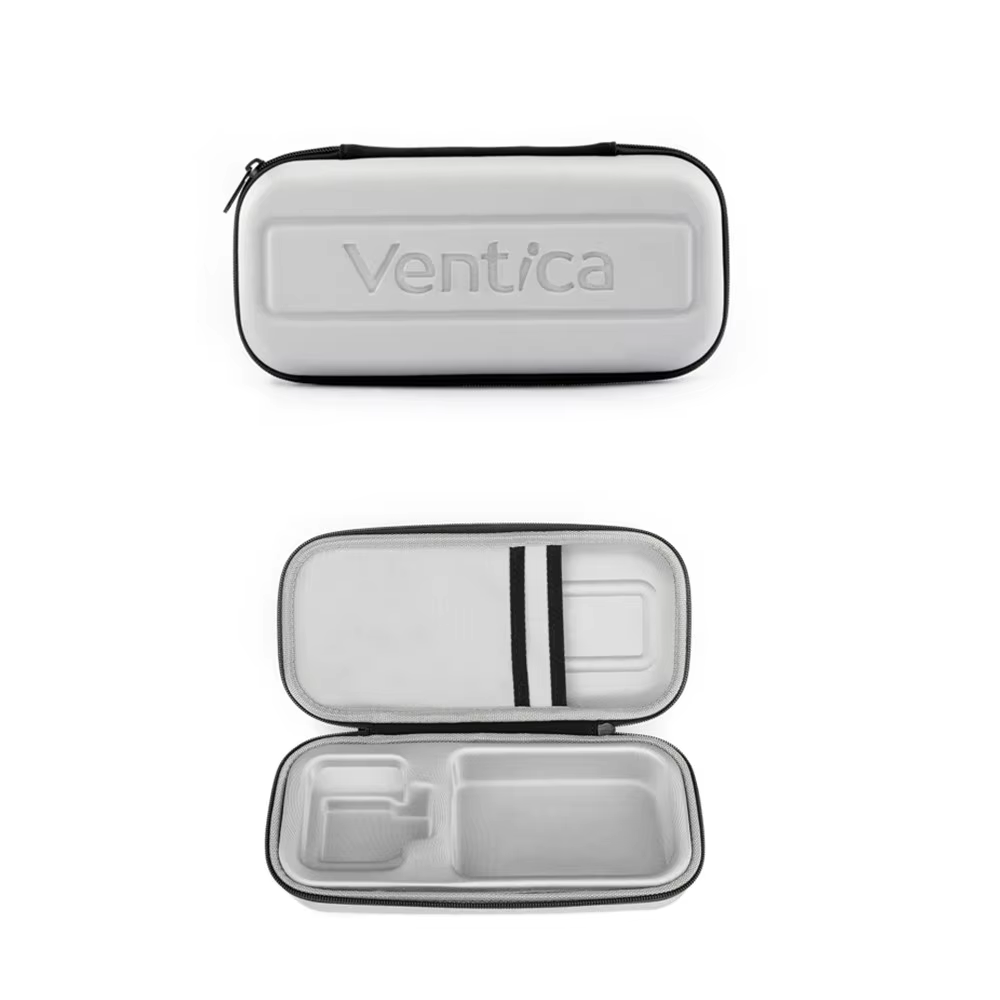
Ylivoimainen suojaus: Kuinka EVA-materiaalin ominaisuudet mahdollistavat ammattiin soveltuvan kestävyyden
Iskunvaimennus ja iskunkestävyys korkean tiukkuuden EVA-muovissa (180–300 kg/m³)
Korkean tiukkuuden EVA (180–300 kg/m³) muodostaa ammattimaisen työkalukotelojen ytimen, koska sen suljetun solurakenteen avulla kinettinen energia absorboituu ja hajautetaan tehokkaasti iskun aikana. Tällä tiukkuudella EVA vähentää siirtyvää voimaa jopa 40 % verrattuna tavallisiin polyeteenivaahtoihin – mikä on ratkaisevan tärkeää tarkkojen mittalaitteiden suojaamiseksi pudotuksissa tai kovassa käsittelyssä. Materiaali puristuu kuorman alaisena ja palautuu täysin alkuperäiseen muotoonsa, eikä siihen muodostu pysyviä muodonmuutoksia edes toistuvien iskujen jälkeen. Käytännön teknikot luottavat säännöllisesti EVA-koteloihin, jotka kestävät 1,5 metrin pudotukset ilman, että vahingollista energiaa siirtyy sisällössä oleviin laitteisiin, kuten mittalaitteisiin tai optisiin työkaluihin, mikä varmistaa toimintovalmiuden vaativissa ympäristöissä.
Vedeneristävyys, lämpötilavakaus ja kemiallinen kestävyys ankariin olosuhteisiin
EVA-muovin luonnollinen kosteudenkestävyys, lämpötilavakaus ja kemiallinen kestävyys tekevät siitä erinomaisen soveltuvan äärimmäisiin olosuhteisiin. Sen suljetun solurakenteen ansiosta se torjuu kosteutta, ja kun se yhdistetään puristussulkuun, saavutetaan IP65-luokitus – täysin pölytiukka ja kestävä alhaisen paineen vesipurskauksia vastaan. Lämpötilaltaan EVA säilyttää rakenteellisen eheytensä ja suojatoimintansa –20 °C:sta 60 °C:een saakka, mikä suojelee elektroniikkaa jäässä olevissa varastoissa tai auringon paistamissa ajoneuvojen takaosissa. Se kestää myös yleisiä teollisia öljyjä, liuottimia ja pesuaineita ilman hajoamista, ja UV-stabilisaattorit estävät pinnan halkeilua pitkäaikaisen auringonpaiston alla. Nämä yhdessä vaikuttelevat ominaisuudet vahvistavat EVA:n luotettavana ratkaisuna merenkulku-, ulko- ja teollisuussovelluksiin, joissa ympäristöstressi on arkipäiväistä.
Kovien EVA-työkalukotelojen kestävän suunnittelun tekniikka
Vahvistetut kulmat, lämpömuovattu rakenteellinen eheys ja kenttäkäyttöön sopivat etikettikkunat
Kenttäluotettavuus vaatii enemmän kuin korkean suorituskyvyn vaahtomateriaalia – se vaatii älykästä rakenteellista suunnittelua. Kova-asteiset EVA-työkalukoteloit ovat varustettu vahvistetulla kulmilla, joissa käytetään usein tiukempaa EVA-materiaalia tai muovattuja sisäosia, jotta ne eivät romahda toistuvien iskujen aikana. Lämpömuovauksella valmistettu pääruumi tarjoaa yhtenäisen seinämän paksuuden ja poistaa saumojen aiheuttamat heikkoudet, mikä takaa tasaisen lujuuden myös suurten kuormitusten alla. Tämä prosessi mahdollistaa myös saumattoman kahvojen, saranoiden ja lukkojen integroinnin, mikä vähentää vikaantumiskohtia. Tärkeä käytettävyysominaisuus on tiivistetty merkintäikkuna: selkeä, pöly- ja kosteudeneristetty tasku, joka näyttää tunnistetiedot ilman sisäisen suojan heikentämistä. Näitä suunnittelutaitoisia ominaisuuksia käytetään laajalti armeijan, lääketieteen ja teollisen huollon tiimeissä, ja ne muuttavat kotelon passiivisesta säilytysvälineestä luotettavaksi kenttävarakkeeksi.
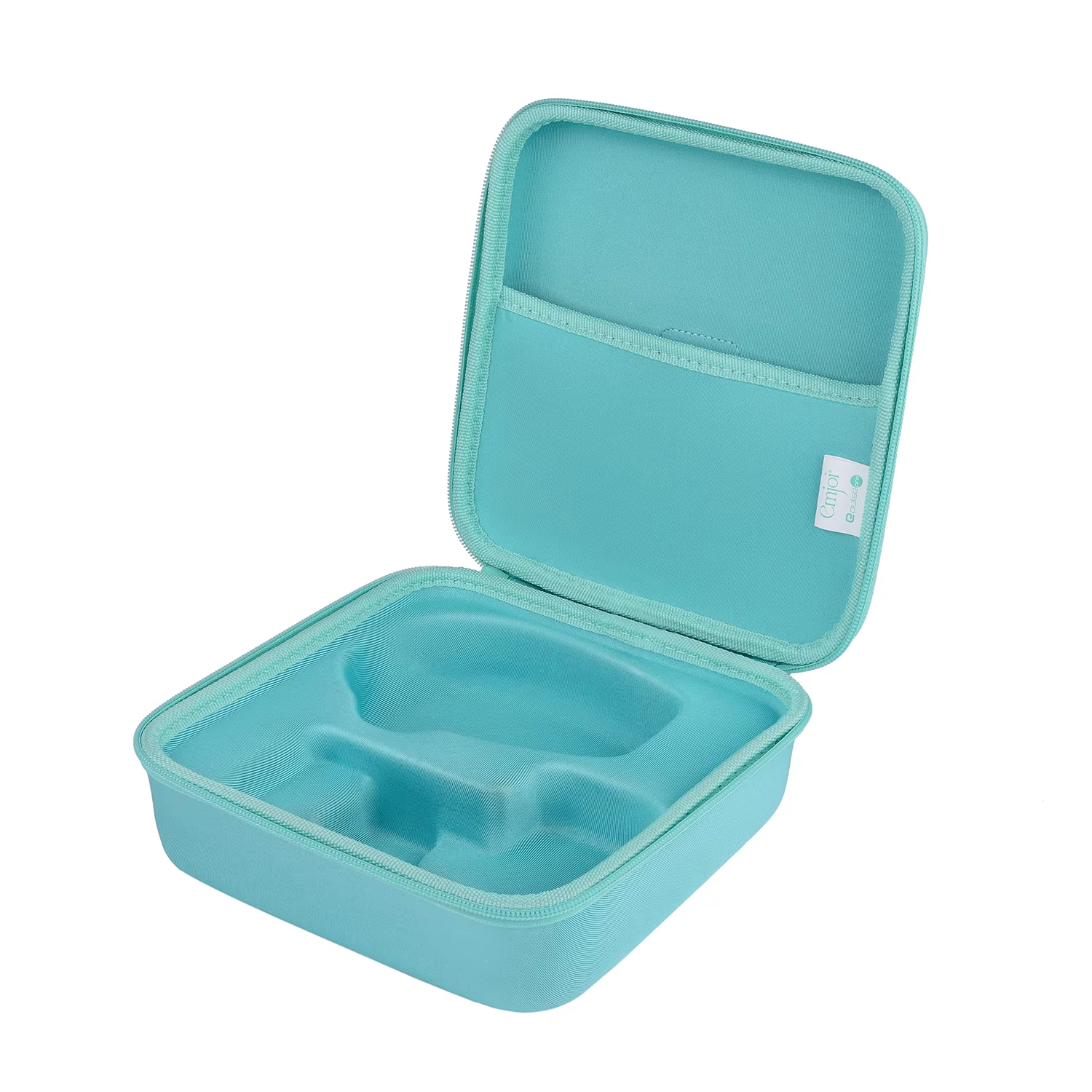
Tarkat mukautusvaihtoehdot monenlaisiin ammattimaisiin sovelluksiin
Mukauttaminen nostaa EVA-työkalukoteloita yleisestä varastoinnista — mahdollistaen tarkkaa suojelua, joka on sopeutettu erityisvarusteisiin kaikilla aloilla.
Erityisesti leikattavat EVA-kumitäytteet työkaluille, elektroniikkalaitteille ja lääketieteellisille laitteille
CNC-leikatut EVA-kumitäytteet luovat täsmäsovivat kammiot, jotka estävät laitteiden liikkumisen kuljetuksen aikana. Eristävät EVA-materiaalilajit, joiden sähköstaattinen suojaus on vahvistettu ANSI/ESD S20.20 -standardien mukaisesti, suojaavat herkkiä piirilevyjä sähköstaattiselta purkautumiselta. Lääketieteellisissä sovelluksissa ei-imevä, sterilisoitava kumi täyttää FDA:n vaatimukset aseptisen laitteiston varastoinnille. Monikerroksiset konfiguraatiot mahdollistavat taktisen erottelun – esimerkiksi herkät optiset linssit voidaan erottaa raskaiden avainten käytöstä – kun taas varjokuviot tukevat nopeaa visuaalista varaston tarkistusta. Tämän tason tarkkuus vähentää laitteiston vaurioita jopa 90 % verrattuna löysään varastointiin, mukaan lukien Packaging Digest (2022).
Brändäys, toiminnalliset lisäosat (sipelit, eristys) ja biokompatiiblit materiaalilajit
Kumin lisäksi koteloissa on integroitu tehtäväspesifisiä parannuksia:
- Brändäminen laserilla merkityt logot tai mukautetun värinen EVA-paneelit tiimin tunnistamiseksi
- Turvallisuus itseparantuvat vetoketjut, joiden kesto on yli 15 000 käyttökertaa ASTM D2061 -standardin mukaan
- Ympäristönsuojelu iP67-luokan tiivistykset lämmöneristävällä rakenteella, jotka tukevat toimintaa –40 °C:n ja 80 °C:n välillä
- Lääketieteellinen sääntelyvaatimustenmukaisuus iSO 10993-5 -standardin mukaisesti sertifioitu biokompatiibeli EVA kirurgisten laitteiden säilytykseen
- Kenttäpäivitykset valutut lisävarusteiden kiinnitysrailet valojen tai akkupankkien kiinnittämiseen
Nämä toiminnalliset sopeutukset mahdollistavat tarkoituksenmukaiset ratkaisut – EMI-suojattuihin avaruusteknisiin kalibrointilaitteisiin aina antimikrobisiin lääketeollisuuden kuljetusjärjestelmiin asti.
Maailmanlaajuinen teollisuuden hyväksyntä: Miksi ammattilaiset luottavat EVA-työkalukoteloihin
Elektroniikka-, lääketieteellisissä ja teollisuusaloilla toimivat ammattilaiset valitsevat jatkuvasti EVA-työkalukoteloita niiden todistettua tasapainoa kestävyyden, suojan ja kantavuuden välillä. Kenttätekniikkojen ja terveydenhuollon ammattilaisten mukaan koteloilla on luotettavaa suorituskykyä pudotusten, kosteuden, pölyn ja äärimmäisten lämpötilojen suhteen – ilman jäykkien vaihtoehtojen paino-oireita. Yli 1 000 yritysasiakasta – mukaan lukien useita Fortune 500 -yrityksiä – käyttää nykyisin EVA-koteloiden päivittäiseen toimintaan ja logistiikkaan. Tämä laaja hyväksyntä heijastaa luottamusta EVA-materiaalin keskeisiin vahvuuksiin: erinomainen iskunvaimennus, vankka ympäristösuojaus ja pitkäaikainen materiaalin vakaus. Tilanteissa, joissa laitteiston käyttökatkokset tai vauriot aiheuttavat merkittäviä taloudellisia tai toiminnallisia riskejä, EVA-työkalukotelot tarjoavat johdonmukaisen ja luotettavan suorituskyvyn – säilyttäen sekä ammattimaisuuden että tuottavuuden vaativimmassakin olosuhteissa.
UKK-osio
Mikä EVA on ja miksi sitä käytetään työkalukoteloissa?
EVA (etyleenivinyyliasetaatti) on kestävä, suljetun solurakenteen muovi, joka erinomaisesti vaimentaa iskuja, on vesitukkainen ja kemikaalikestävä. Sitä käytetään laajalti työkalukoteloissa herkkien laitteiden suojaamiseen kovissa ympäristöissä.
Kuinka EVA suojaa työkaluja ja laitteita?
EVA:n korkean tiukkuuden omaava vaahtomuovi absorboi iskut, vähentää siirtyvää voimaa ja estää työkalujen vaurioitumisen pudotettaessa tai käsittellessä karkeasti. Sen vesitukkaisuus ja kemikaalivakaus suojaavat myös ympäristötekijöiltä.
Voiko EVA-työkalukoteloita mukauttaa tiettyihin käyttötarkoituksiin?
Kyllä, EVA-työkalukoteloita voidaan mukauttaa CNC-leikattavilla vaahtomuovitäytteillä, brändäyksellä sekä toiminnallisilla lisäosilla, kuten vetoketjuilla, eristysmateriaaleilla ja biokompatiibeleillä materiaalilaaduilla, jotta ne täyttävät alan erityisvaatimukset.
Soveltuvatko EVA-kotelot äärimmäisiin lämpötiloihin?
Ehdottomasti! EVA säilyttää suojaavat ja rakenteelliset ominaisuutensa –20 °C:sta 60 °C:een (standardimuunnelmat) ja jopa –40 °C:sta 80 °C:een lämmöneristyksen avulla.
Ketkä käyttävät EVA-työkalukoteloita?
Eri alojen ammattilaiset, kuten elektroniikka-, lääketieteellinen, teollinen huolto ja sotilasalat, luottavat EVA-työkalukotien kestävyyteen ja mahdollisuuteen muokata niitä erityistarpeisiin vaativissa ympäristöissä.
Sisällysluettelo
- Ylivoimainen suojaus: Kuinka EVA-materiaalin ominaisuudet mahdollistavat ammattiin soveltuvan kestävyyden
- Kovien EVA-työkalukotelojen kestävän suunnittelun tekniikka
- Tarkat mukautusvaihtoehdot monenlaisiin ammattimaisiin sovelluksiin
- Maailmanlaajuinen teollisuuden hyväksyntä: Miksi ammattilaiset luottavat EVA-työkalukoteloihin
- UKK-osio