EN
EN

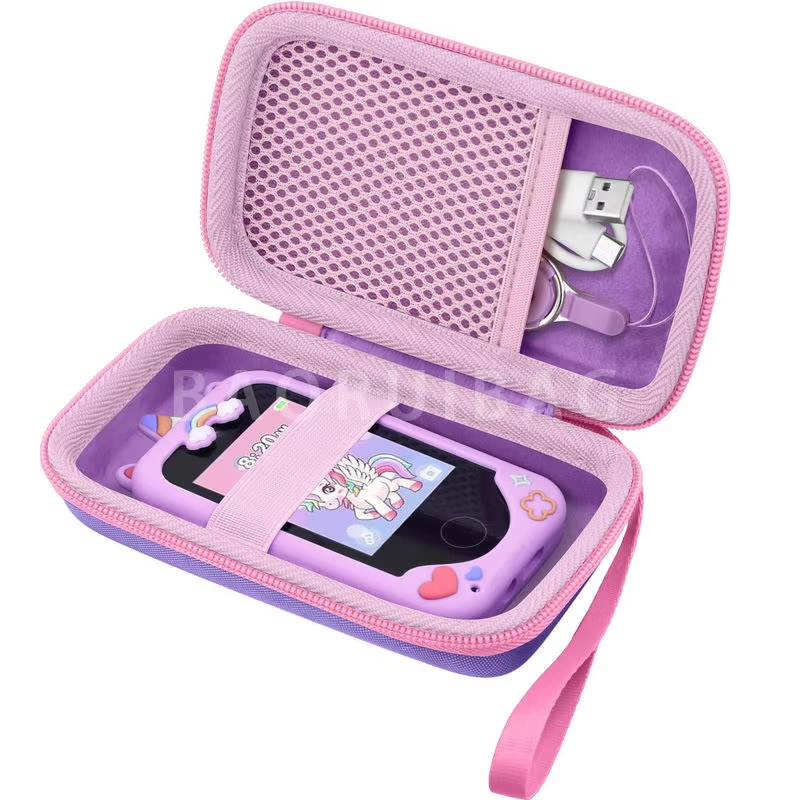
Unmatched Physical Protection for High-Value Gaming Headsets
Impact resistance and shock absorption in premium headset cases
High-end gaming headsets represent significant investments–premium models regularly cost $200–$500. Dedicated cases deliver essential impact resistance through multi-layer construction:
- Rigid outer shells, tested to withstand drops up to 1.5 meters (per industry-standard IEC 60068-2-32 testing)
- Memory foam interiors that absorb up to 90% of shock energy during accidental impacts
- Custom-cut compartments preventing headbands and ear cups from colliding in transit
Without this protection, repair costs average $120 per incident, according to the 2024 GearCare Hardware Insurance Report.
Dust, moisture, and compression defense during daily transport and storage
Daily environmental exposure degrades headsets faster than mechanical wear alone. Quality cases create sealed, stable microenvironments that block:
- Dust particles, which scratch driver diaphragms and clog microphone mesh ports
- Humidity, accelerating corrosion in metallic hinges, sliders, and PCB traces
- Compression forces, especially when stored under books, laptops, or other gear
Field data from the Audio Engineering Society (2023) shows headsets stored in protective cases retain 30% higher audio fidelity after two years versus uncovered units–directly extending functional lifespan and safeguarding your audio investment.
Optimized Portability for Competitive and Traveling Gamers
Compact, airline-compliant designs for VR and wired gaming headsets
Today’s headset cases are built with travel in mind. Most manufacturers design them to fit under airplane seats since airlines generally require items no bigger than around 17 by 13 by 9 inches. Some models even manage to squeeze down to just under 4 inches thick, which is pretty impressive considering they still need space for those bulky VR headsets and all the extra wires that come with them. These cases aren’t just compact though. They’re made from tough polymer materials with extra reinforcement at the corners so they can take a beating without adding unnecessary bulk. Inside, there are clever little compartments for keeping track of all the small stuff like face pads, controllers, and tangled cables. Gamers especially appreciate this organization feature because it means they don’t have to dig through chaos when setting up for a competition or during quick stops between events.
Real-world usage: 68% of competitive gamers carry headsets offsite weekly (2023 Esports Gear Survey)
The numbers don’t lie when it comes to gear on the move. According to the 2023 Esports Gear Survey, around two thirds of competitive players actually take their headsets with them every week between locations. All this traveling creates some serious problems for equipment. First there’s all that shaking from trains and planes, then the squeezing in packed convention centers, and finally the humidity that builds up when commuting outside in different weather conditions. Good quality cases tackle these issues head on. They have those molded interior sections so stuff doesn’t bounce around inside. Some even include special air vents that help stop moisture buildup when temperatures change suddenly. And most weigh less than 1.5 pounds which makes carrying them between multiple events throughout the day much easier on the back and shoulders. Competitive players who switched to these specialized cases noticed they could get ready for matches about 30% quicker than before. That extra minute or two can make all the difference when rushing between tournaments.
Smart Organization Features That Prevent Cable and Connector Damage
Integrated cable management systems reducing strain on 3.5mm jacks and USB-C ports
Headsets often fail early because of cable problems, particularly where they connect to devices. According to some recent tests done by iFixit in their study on peripheral wear and tear last year, special cable management solutions can cut down on strain and weird bends at those tiny 3.5mm jacks and USB-C ports by around 80%. These systems typically feature specific pathways plus those flat Velcro strips that keep cables coiled naturally rather than kinked or stretched out. This helps stop the annoying fraying we see at stress spots and protects against bent pins which mess up sound quality. Another big plus is how these designs act as barriers against dust getting into connectors and minor bumps when moving equipment around. Gamers especially benefit since they tend to plug and unplug so much between sessions. The ports last longer this way, and the audio stays clear and consistent for months instead of weeks.
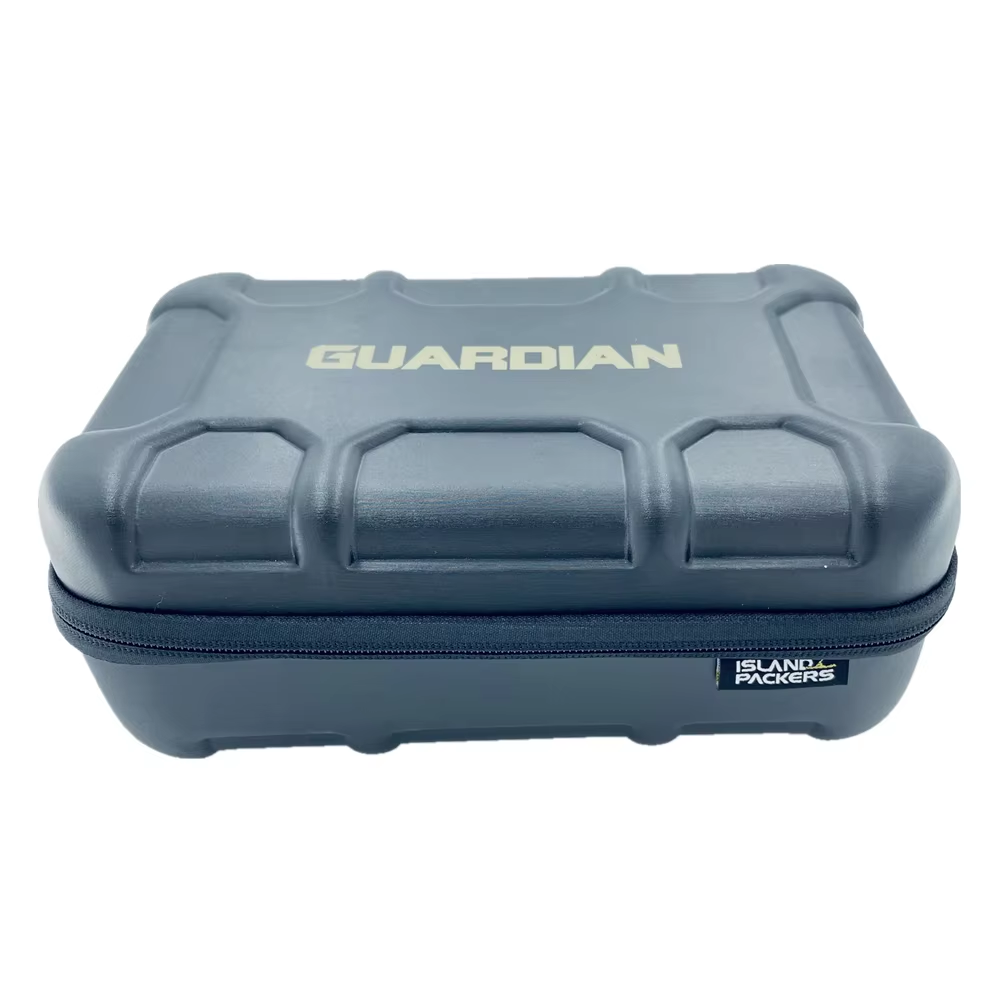
Headset Case ROI: Extending Lifespan and Maximizing Audio Investment
Gaming headsets priced above $300 represent a serious investment that faces constant threats from daily wear and tear. These expensive pieces of gear are at risk of getting damaged in countless ways throughout their lifespan. Think about it dropping them accidentally, squishing them in bags, letting dust build up over time, or exposing them to moisture. A good quality protective case actually helps against all these issues. Studies done by the Consumer Tech Association back this up showing something pretty impressive repair bills drop around 80% when people store their gear properly. The real value comes from avoiding those common problems we mentioned earlier broken headbands, drivers going out of alignment, cables wearing down. Most gamers find that with proper storage, their headset lasts anywhere between two to three extra years before needing replacement.
Financially, the math is clear: a well-engineered $50 case represents less than 20% of a $300+ headset’s value–and pays for itself within 18 months through avoided damage incidents alone. Beyond cost savings, it ensures uninterrupted performance during critical sessions and sustains long-term value across your entire audio ecosystem.