 EN
EN

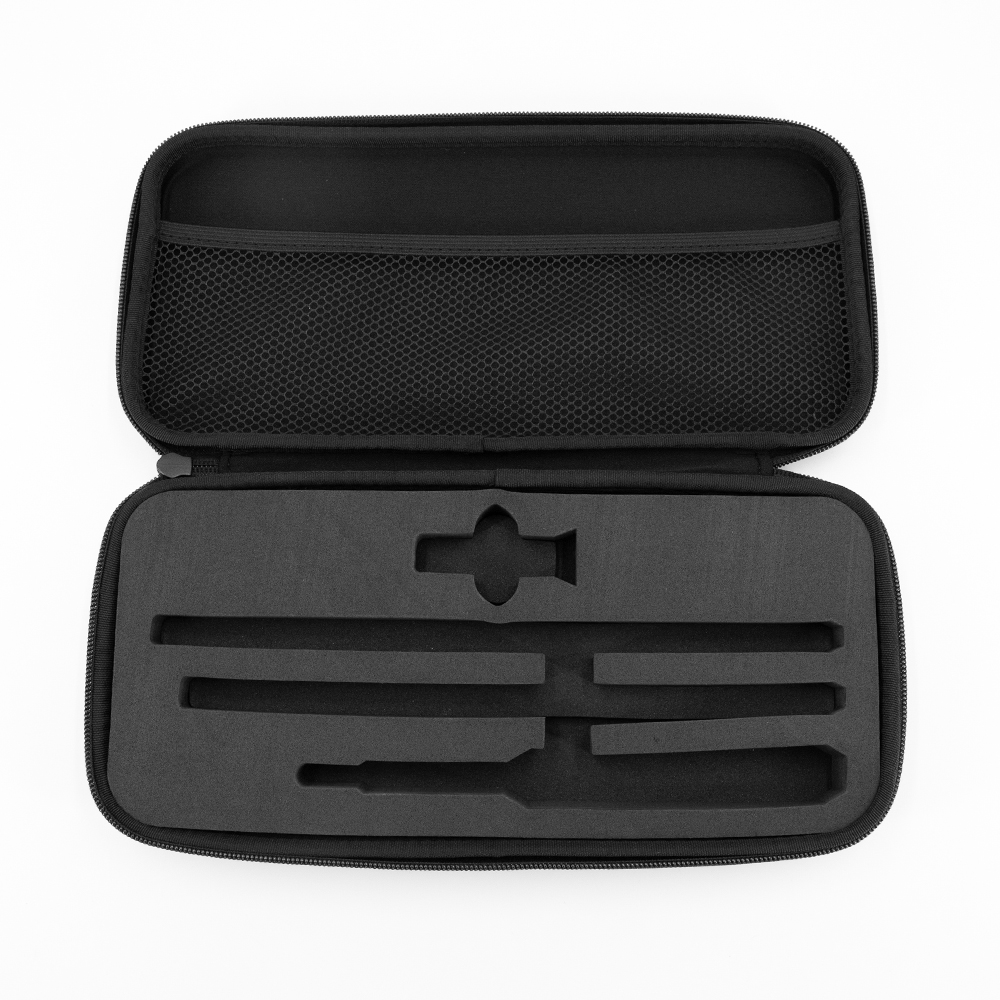
Unboxing experience and product protection are two sides of the same coin. When a customer opens a high-end electronic device, a medical kit, or a set of industrial tools, the internal packaging sets the tone instantly. Loose components, torn cardboard, or ill-fitting trays signal poor quality control before the product is even used.
Custom ethylene-vinyl acetate (EVA) foam inserts solve this challenge. By blending chemical resilience with precise machinability, EVA foam provides a level of protection and visual presentation that traditional materials simply cannot match.
The Molecular Science Behind EVA Foam Performance
EVA foam owes its physical performance to a balanced copolymer structure: the combination of rigid ethylene and flexible vinyl acetate. The vinyl acetate ratio, generally ranging between 10% and 40%, directly dictates how soft, dense, or flexible the final foam will be.
-
High Vinyl Acetate Content: Increases flexibility, softness, and elongation, making it perfect for delicate items like optical lenses or fragile glass vials.
-
Low Vinyl Acetate Content: Creates a firmer, higher-density matrix that provides structural stability for heavier industrial gear and mechanical tools.
As a thermoplastic material, EVA softens predictably when exposed to temperatures between 70°C and 90°C. Under heat, it conforms seamlessly to custom compression molds, locking in fine details and complex geometries as it cools. Its closed-cell architecture ensures the foam maintains structural memory, bouncing back from impact without permanent deformation or internal fracturing.
Precision Machining and Industrial Fabrication
Despite its shock-absorbing resilience, EVA foam cuts exceptionally clean. Unlike brittle or open-cell alternatives that fray or tear, EVA supports high-speed industrial processing methods.
CNC Routing and Water-Jet Cutting
For low-to-medium production runs or highly intricate designs, CNC routers and multi-axis water-jet systems achieve tolerances within ±0.5 mm. This level of precision allows for undercuts, deep bevels, cable routing channels, and friction-fit cutouts that hold components securely in place without extra fasteners.
Die-Cutting and Thermoforming
When scaling to mass production, thermoforming and precision steel-rule die-cutting keep cycle times short and costs manageable. The closed-cell structure prevents edge delamination during rapid stamping, producing crisp, clean edges on every piece.
Transforming Packaging into a Brand Asset
Protective inserts do more than prevent shipping damage; they act as a silent ambassador for your brand. EVA foam supports a wide range of aesthetic and branding customization techniques.
Color Matching and Custom Finishes
Instead of settling for standard charcoal or white, EVA foam can be pigmented to match exact corporate color guidelines, including Pantone shades. Surface finishes range from smooth matte textures that reduce glare to high-friction patterns that improve grip during product extraction.
Surface Branding Techniques
Logos, serial numbers, and cavity labels can be integrated directly onto the foam surface using several methods:
-
Heat Embossing & Debossing: Permanently impresses crisp logo outlines into the foam, delivering a clean, subtle finish that resists wear.
-
Laser Engraving: Creates precise, high-contrast markings for part numbers, cavity labels, or alignment marks without inks or chemicals.
-
Heat-Transfer Printing: Applies vibrant, full-color graphics across contoured or flat foam surfaces for consumer-facing packaging.
Layered Layouts and Visual Hierarchy
Using multi-layered EVA sheets with contrasting colors—such as a dark top layer over a bright red base—creates an intuitive visual guide. Missing tools stand out immediately, which helps field technicians, mechanics, and medical staff maintain complete tool sets.
Cross-Industry Applications for Custom EVA Trays
The combination of shock absorption, chemical inertia, and clean-room compatibility makes EVA foam the material of choice across diverse industries.
Medical Devices and Surgical Trays
Sterile environments require non-porous materials that do not harbor dust, moisture, or bacterial growth. EVA foam is naturally inert and water-resistant, meeting strict ISO 13485 and cleanroom packaging standards. Custom-cut cavities cradle sensitive surgical instruments, diagnostic monitors, and fragile reagents, absorbing shipping vibration without shedding particles.
High-End Consumer Electronics
Sensors, circuit boards, and camera gear require anti-static protection alongside shock absorption. Electrostatic discharge (ESD) formulations of EVA foam dissipate static build-up, safeguarding delicate microchips while maintaining a sleek, luxury presentation inside display boxes.
Industrial Tool Storage and Field Kits
Field technicians rely on modular EVA organizers to keep heavy tools secured during travel. Pre-scored or custom-milled foam trays hold wrenches, multimeters, and torque tools tightly, stopping item-on-item collisions inside rugged transport cases.
Frequently Asked Questions
Why choose EVA foam over standard polyurethane or polyethylene?
EVA foam offers superior compressive recovery, smoother surface finishing, and better tear resistance than polyurethane or standard polyethylene. Its closed-cell nature prevents liquid absorption and supports clean precision machining.
Can custom EVA inserts be manufactured in small batches?
Yes. Techniques like CNC routing and digital water-jet cutting eliminate the need for expensive molding tooling, making short runs and rapid prototyping highly cost-effective.
Is EVA foam resistant to oils and chemicals?
EVA foam resists moisture, mild acids, alkalis, and common industrial lubricants. Its non-porous surface allows easy cleaning with standard alcohol wipes or detergent solutions.
How do custom foam cutouts prevent shipping damage?
Custom cutouts distribute impact forces evenly across the surface of the item. By matching the exact dimensions of the product, the foam prevents movement inside the box, absorbing kinetic energy before it reaches fragile components.
Engineering Custom Foam Solutions with EVABox
Delivering high-performance, custom-fitted foam inserts requires a deep understanding of polymer science, precision machining, and brand aesthetics. Converting raw EVA sheets into reliable, production-ready packaging takes specialized equipment and technical know-how.
As an experienced provider of custom protective cases and interior solutions, EVABox provides end-to-end manufacturing support for global brands. From initial 3D CAD design and rapid prototyping to high-speed CNC routing, thermoforming, and custom color matching, EVABox delivers tailored foam inserts that protect critical gear and elevate brand value. Supported by robust supply chain capabilities and strict quality control, every insert is engineered for long-lasting performance in demanding real-world applications.
