 EN
EN

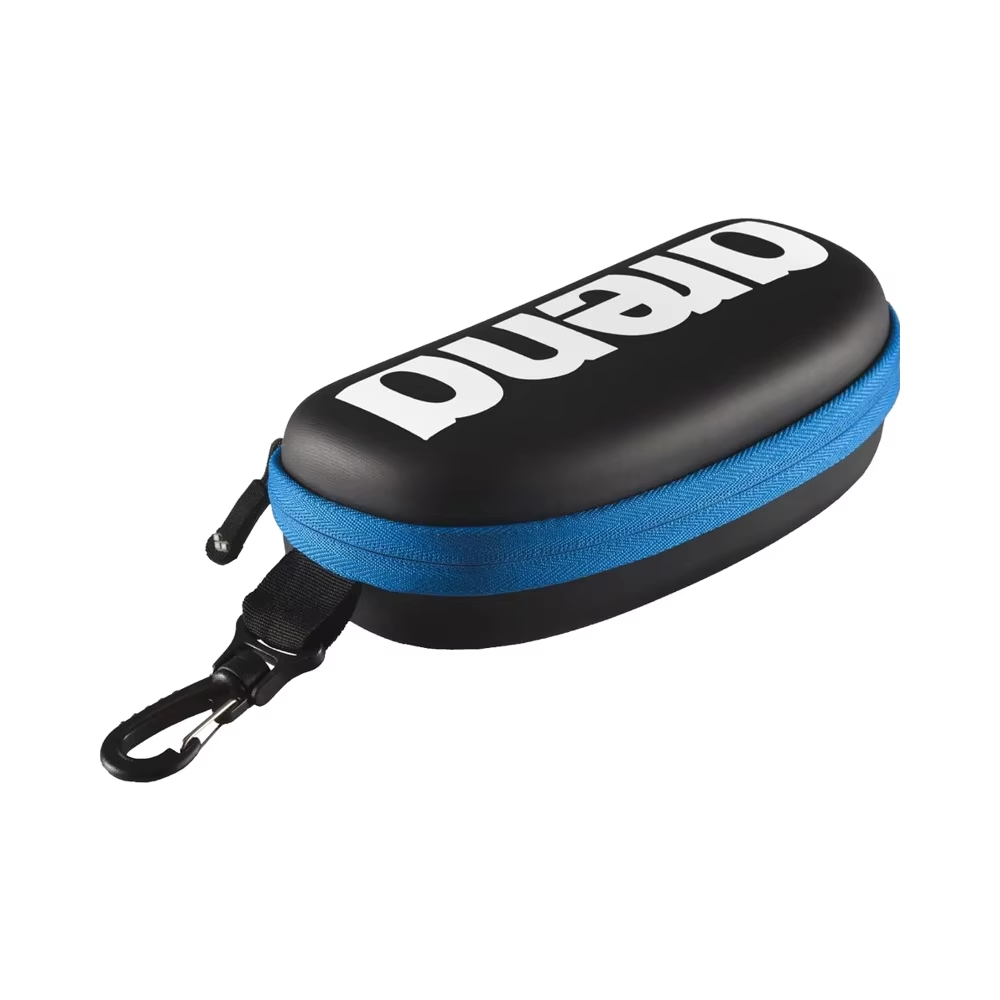
The Closed-Cell Foam Structure That Makes EVA Cases Water Resistant
How molecular density and isolated cells block water ingress
EVA (Ethylene-Vinyl Acetate) cases derive their water resistance from a unique closed-cell foam structure—comprising densely packed, air-filled cells sealed within impermeable polymer walls. This architecture inherently blocks moisture intrusion by eliminating continuous pathways for water movement. Properly manufactured EVA foam absorbs less than 0.5% water by volume after 24-hour immersion, outperforming many alternatives. Its non-polar polymer chains confer natural hydrophobicity, causing water to bead and roll off rather than adhere or penetrate. Crucially, the closed-cell design prevents capillary action—the primary mechanism driving water into porous materials—making EVA especially effective for safeguarding electronics and precision equipment in humid, rainy, or splash-prone environments.
EVA vs. PVC, polypropylene, and neoprene: permeability and hydrophobicity comparison
EVA’s waterproofing performance is markedly superior to common case materials, as confirmed by standardized metrics:
| Material | WVTR (g/m²/day) | Water Absorption % | Hydrophobicity Rating* |
|---|---|---|---|
| EVA Foam | 0.8–1.2 | <0.5% | Excellent |
| PVC | 3.5–5.0 | 1.2–1.8% | Good |
| Polypropylene | 2.1–3.4 | 0.9–1.5% | Moderate |
| Neoprene | 6.8–8.2 | 3.0–4.5% | Poor |
*Based on ASTM E96 moisture resistance standards
This advantage stems from EVA’s uniform cell structure and chemical stability: unlike PVC (prone to plasticizer leaching) or neoprene (which behaves like a sponge when compressed), EVA retains dimensional integrity and low permeability under moisture exposure. Independent accelerated aging tests show EVA cases retain 98% of their waterproof integrity after simulating five years of field use—while comparable PVC or neoprene cases typically degrade by 15–30%.
Material Strength and Environmental Resistance: Why EVA Cases Last Longer
Tensile strength, impact absorption, and fatigue resistance (ASTM D638/D3574 data)
EVA cases deliver exceptional mechanical resilience through high tensile strength and elastic energy absorption. Per ASTM D638 and D3574 testing, premium EVA formulations withstand compression forces exceeding 2,500 psi without permanent deformation—critical for protecting sensitive contents during transit or impact. Unlike rigid plastics that fracture under stress, EVA’s flexible polymer matrix dissipates kinetic energy and recovers fully. Fatigue resistance testing confirms stable performance across more than 10,000 compression cycles—supporting a service life of 5–10 years in demanding applications such as logistics, field instrumentation, and military gear transport.
Chemical, UV, and moisture resistance under real-world conditions
EVA’s closed-cell structure provides broad-spectrum environmental resistance—not only against water but also oils, solvents, and UV radiation. Accelerated weathering tests show less than 5% degradation after 2,000 hours of direct UV exposure, preserving flexibility, color fidelity, and surface integrity. Thermal stability remains robust across extremes from –40°C to 80°C, ensuring reliable performance in arctic expeditions, desert deployments, or industrial settings with thermal cycling. Field data from marine, outdoor, and industrial users consistently shows EVA maintaining over 95% of its protective properties—including seal integrity and cushioning performance—after three years of continuous real-world use.
Virgin vs. Recycled EVA: How Grade Selection Impacts EVA Case Performance
Trade-offs in hydrophobicity, compression set retention, and service life
Virgin EVA delivers consistent molecular density and purity, enabling optimal hydrophobicity, minimal water absorption (<0.5%), and superior compression set retention—key to long-term shape recovery and shock absorption. Recycled EVA, often derived from post-industrial scrap, may contain impurities, inconsistent crosslinking, or microvoids that compromise cell wall integrity. These inconsistencies can create micro-channels for moisture ingress and reduce elastic memory, leading to earlier onset of permanent deformation under load. As a result, high-recycled-content EVA typically exhibits shorter service life and diminished reliability in IPX4–IPX7 applications. For mission-critical protection where waterproof integrity and multi-year durability are non-negotiable, virgin EVA remains the industry-recommended grade.
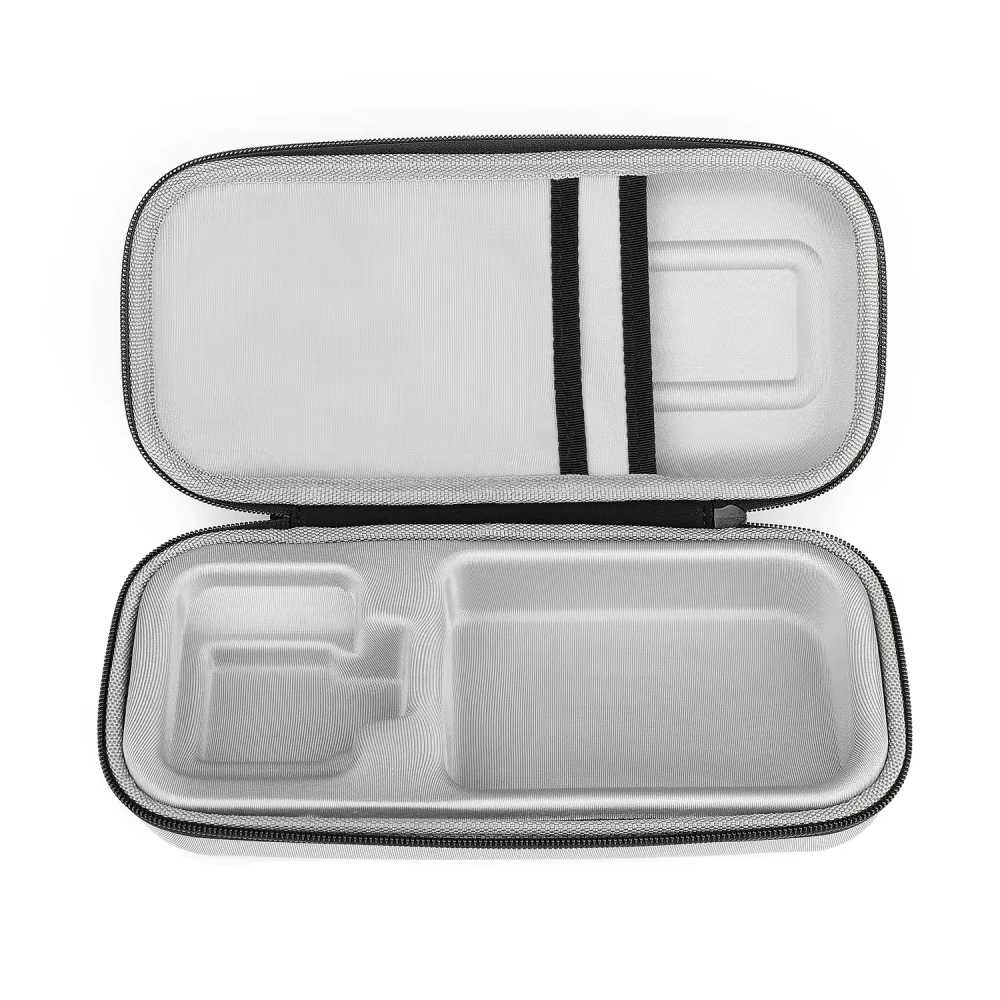
Proven Reliability: Real-World Validation of EVA Cases in Demanding Environments
Marine, drone, and outdoor gear case studies with IPX4–IPX7 compliance tracking
Real-world validation confirms EVA’s lab-tested advantages translate directly into field reliability. In marine environments, EVA cases protect navigation systems, communication gear, and sensors during extended saltwater exposure—maintaining IPX7-rated submersion protection (30 minutes at 1 meter depth) across multiple voyages. Drone operators report zero equipment failures following accidental drops from heights exceeding 15 meters, crediting EVA’s impact dispersion and rebound characteristics. Mountain rescue teams document full operational readiness of medical and comms equipment after 500+ hours of continuous exposure to rain, snow, freeze-thaw cycles, and sub-zero temperatures—all verified through ongoing IPX4–IPX7 compliance checks. These outcomes reflect not just material performance, but the proven convergence of EVA’s structural consistency, environmental stability, and engineering-grade manufacturing control.
FAQ
What is a closed-cell foam structure?
A closed-cell foam structure means that individual cells within the foam are sealed and not interconnected, which prevents the absorption of water or other liquids into the material.
How does EVA compare to other materials like PVC or neoprene for water resistance?
EVA significantly outperforms materials like PVC or neoprene due to its low water absorption rate (less than 0.5%) and uniform closed-cell structure, which prevents water ingress effectively.
Is recycled EVA as durable as virgin EVA?
No, recycled EVA may contain impurities and inconsistent cell structures, leading to reduced hydrophobicity, compression set retention, and overall longevity compared to virgin EVA.
Can EVA stay waterproof in extreme environments?
Yes, EVA remains waterproof and maintains structural integrity even in extreme temperatures ranging from –40°C to 80°C, making it ideal for harsh environments like arctic expeditions or desert deployments.
Table of Contents
- The Closed-Cell Foam Structure That Makes EVA Cases Water Resistant
- Material Strength and Environmental Resistance: Why EVA Cases Last Longer
- Virgin vs. Recycled EVA: How Grade Selection Impacts EVA Case Performance
- Proven Reliability: Real-World Validation of EVA Cases in Demanding Environments
- FAQ
