 EN
EN


Unmatched Protection: How EVA Material Delivers Worker-Centric Durability
Shock Absorption and Impact Resistance for High-Risk Work Environments
EVA foam is changing how we protect tools thanks to its closed cell design that soaks up impact energy when things hit the ground. Tools get dropped all the time on job sites and factory floors, right? Well, EVA's special properties can actually absorb around 90% of those shock waves before they ever reach sensitive gear. That means no more broken torque wrenches or smashed multimeters sitting on the bench waiting to be fixed. Regular plastic cases just pass along all that force straight to whatever's inside, but EVA cases work differently. They squish in specific spots when something hits them, kind of like a cushion effect. We've tested this stuff in real conditions and found that tools stored in EVA cases survive falls from about 10 feet high without getting damaged. Electricians who climb ladders daily know this matters a lot. Plus, EVA keeps bouncing back after multiple knocks around, so it stays effective even after months of rough handling on site.
Waterproof, Chemical-, UV-, and Microbial-Resistant Performance for Harsh Conditions
The way EVA is built at the molecular level makes it really good at stopping liquids and stuff that can corrode materials. Those cross linked polymer chains basically push away water, oil, and various solvents which matters a lot for folks working around boats, chemicals, or in places where wastewater gets treated. Tests have shown that even when temperatures drop to minus 40 degrees Fahrenheit, EVA stays flexible enough to work properly. And it holds up against UV damage too lasting well beyond 2000 hours in testing conditions that would equate to about five years outside. Because EVA doesn't have pores on its surface, microbes struggle to grow there since they need moisture to survive. That helps keep things cleaner in hospitals or food factories where germs are a big concern. Fabric cases tend to soak up liquids but not so with EVA. We tested some submerged ones for three whole days straight and found absolutely no water getting through them. This means electronic equipment stays dry and safe from shorts. All these different protections mean companies don't have to worry about applying extra coatings on top of their gear, saving time during actual operations out in the field.
Optimized Weight and Compact Form Factor for Field Mobility
EVA tool cases are much lighter than regular metal or plastic ones we've all used before, saving around 40 to 60 percent in weight. Carrying these lighter cases means workers don't get as sore in their shoulders and backs after walking around job sites all day. The smaller size makes it easier to move through tight spots too, whether climbing up scaffolding or squeezing past machinery in storage areas. People who carry tools around all day find they get tired less quickly, so they can keep working longer without feeling beat down. Even though EVA is light, it holds up surprisingly well because of how strong it is for its weight. Techs in the field have noticed they need to work harder by about 30 percent less when commuting between jobs with these new cases, based on some recent studies from last year. And let's face it, anything that cuts down on the wear and tear from constantly lifting heavy stuff has got to be good for preventing injuries over time.
Intuitive Grips, Secure Latches, and Balanced Carry Systems for Fatigue Reduction
Handles designed with ergonomics in mind actually match how most people hold things naturally, which cuts down on those annoying pressure spots when someone is using equipment for hours at a time. The padding on shoulder straps really makes a difference too. Instead of all the weight sitting on one part of the back, it spreads out nicely across the whole torso area. Most folks find this much more comfortable after a long day's work. Latches are another important detail. Good ones stay closed securely but still open easily even if workers have thick gloves on their hands from cold weather conditions. Different ways to carry stuff matters too. Some gear comes with regular top handles, others have side grips or can be worn across the body. This lets workers switch positions periodically instead of staying stuck in one posture all day long. When weights are distributed properly, tools don't tend to swing around so much during movement either. Nobody wants to twist their spine unnecessarily just trying to get something done. Field tests show that all these design improvements together cut down physical strain by roughly half compared to older models without such features. And what does that mean practically? Workers report they can concentrate better and last longer through tough shifts because their bodies aren't fighting against poorly designed equipment anymore.
Tailored Foam Inserts and Modular Compartments for EMS, Measurement, and Hardware Tools
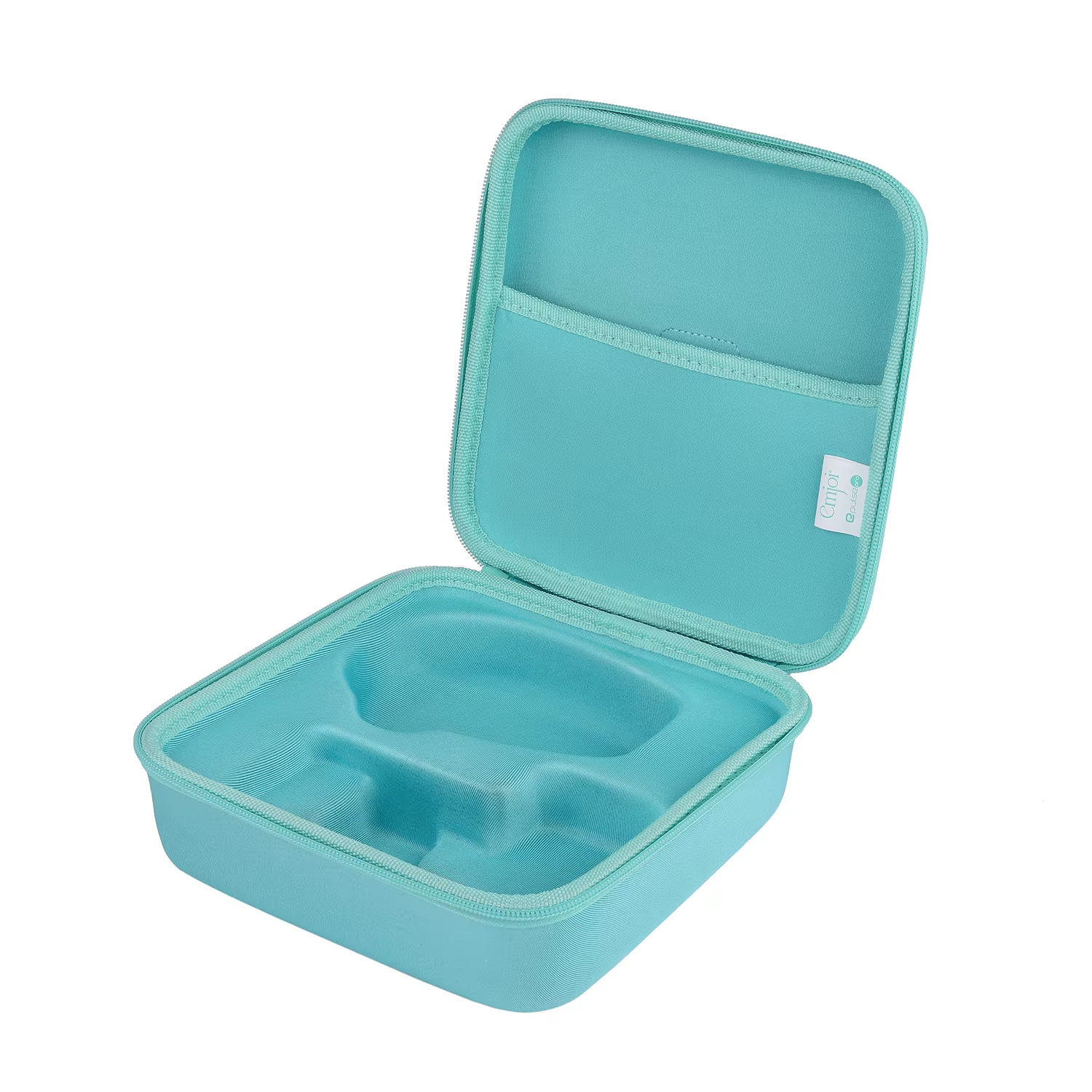
In specialized trades, keeping tools organized properly matters a lot if we want to avoid damage and stay efficient throughout the day. Good quality EVA tool cases come with these customizable foam inserts made from closed cell material that actually hold onto delicate EMS equipment, various measuring devices, and all sorts of hardware without letting them bounce around. Techs usually get these compartments laser cut so they fit each specific tool shape exactly, which stops things from moving while being transported somewhere else. When instruments don't shift inside their case, there's less chance of getting scratched up or having their calibration messed with accidentally. Plus those modular divider panels let workers rearrange stuff as needed when different jobs require different setups. Some research out there suggests that folks who use these custom foam arrangements spend about 40% less time hunting for tools than those stuck with regular old cases, and somehow manage to break stuff only about a third as often too. Another nice touch? The way everything sits separated helps reduce corrosion problems between certain metals that react badly together. For people like instrumentation engineers, telecom techs, and maintenance staff dealing with really important equipment every day, these kinds of organization solutions make a world of difference in how smoothly operations run on site.
Field-Validated Reliability Across Critical Professional Sectors
For industries where equipment failure means real danger or major operational problems, such as healthcare, defense, energy systems, and manufacturing plants, EVA tool cases have stood the test of time in the field. Testing has shown these cases hold up remarkably well against extreme temperatures ranging from -40 degrees Celsius all the way up to 120 degrees, plus they withstand multiple impacts and extended contact with chemicals. Maintenance crews working on factory floors report something interesting too: when tools are properly protected inside EVA cases, there's about an 89 percent drop in malfunctions during those crucial moments when everything needs to work right away. That kind of reliability cuts down on expensive downtime, which matters a lot especially for emergency medical teams who need immediate access to their tools during critical situations. What makes EVA so good? The material keeps performing consistently even when stressed, making sure sensitive measuring devices like torque wrenches and diagnostic meters stay functional no matter what happens during transportation or if they get dropped accidentally from moving trucks.
Table of Contents
-
Unmatched Protection: How EVA Material Delivers Worker-Centric Durability
- Shock Absorption and Impact Resistance for High-Risk Work Environments
- Waterproof, Chemical-, UV-, and Microbial-Resistant Performance for Harsh Conditions
- Optimized Weight and Compact Form Factor for Field Mobility
- Intuitive Grips, Secure Latches, and Balanced Carry Systems for Fatigue Reduction
- Tailored Foam Inserts and Modular Compartments for EMS, Measurement, and Hardware Tools
- Field-Validated Reliability Across Critical Professional Sectors
